Oct 29, 7:01 PM
State Security and Traffic Cones: How Pakistan Turns Obstacles Into Terrorism
A ten-year prison sentence for human rights lawyers shows how state machinery converts minor street disruptions into national security threats.
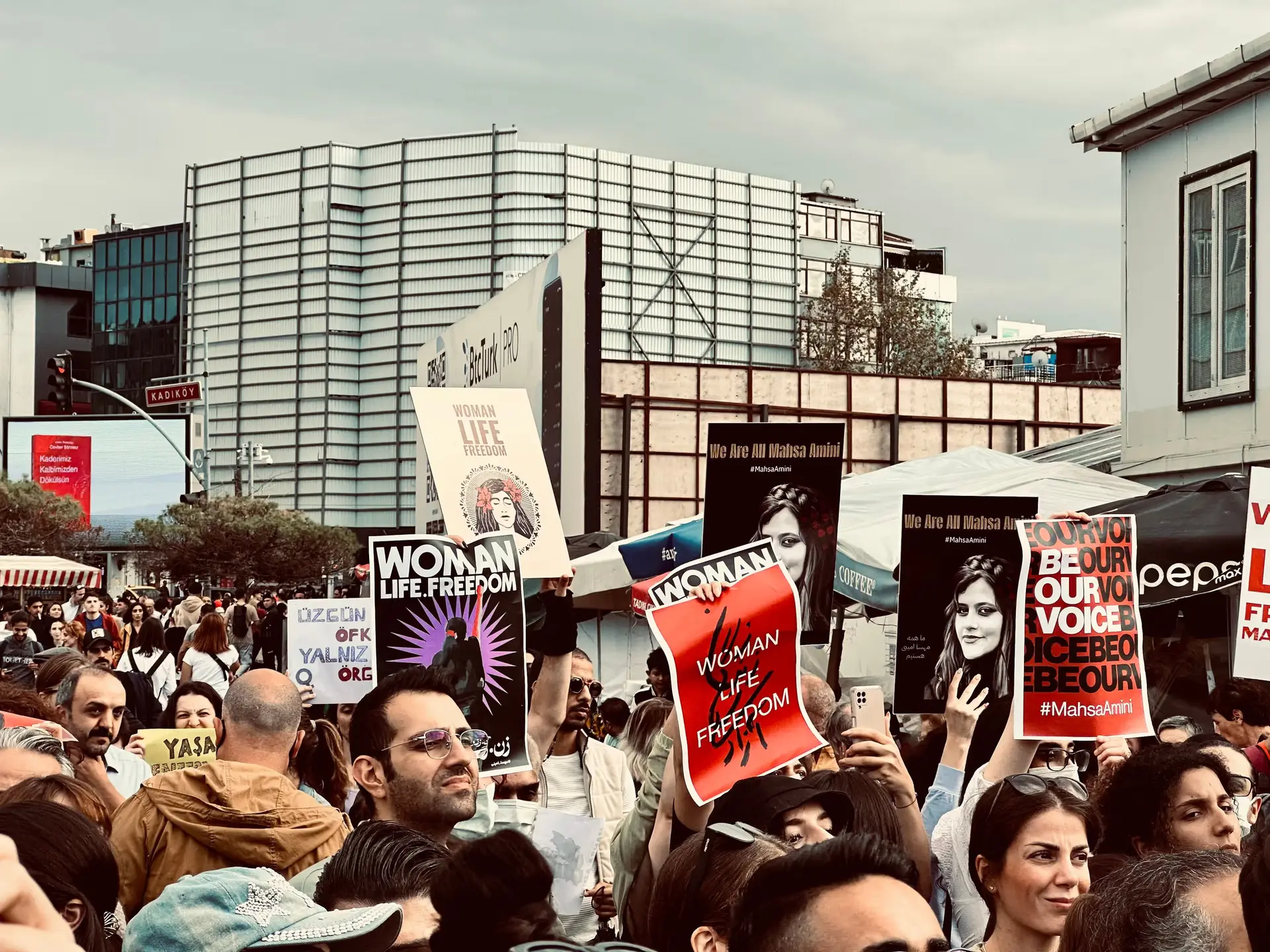
In most functioning capitals, moving a plastic road barrier earns a driver a modest fine or a reprimand from traffic police. In Islamabad, however, if the individuals moving the obstacle happen to be human rights lawyers, the state apparatus discovers a grave threat to national security. An antiterrorism court operating inside Rawalpindi’s Adiala prison has sentenced Imaan Mazari and her husband, Hadi Ali Chattha, to a decade behind bars. Their crime, committed back in October 2024, consisted of removing road barriers along a route set aside for the touring England cricket team.
The ruling by Judge Tahir Abbas Sipra provides a remarkable lesson in bureaucratic logic. In his written judgment, the magistrate asserted that the couple had placed visiting athletes in danger, demonstrating a clear objective to create a sense of terror. Yet, in the very same breath, the judgment acknowledged that the incident was merely an ordinary, common removal of a barrier. One is left to wonder at what precise point routine traffic frustration transforms into full-blown terrorism, though in Pakistan, the distinction seems to depend entirely on who is holding the legal license.
The legal drama surrounding Mazari and Chattha reveals a relentless administrative machine at work. The couple had already been in custody since January 2026 over social media posts, having been handed a staggering 17-year sentence under the Prevention of Electronic Crimes Act—a law routinely criticized for suppressing online dissent against the state. When the Supreme Court suspended that sentence, authorities simply re-arrested them on the spot using the cricket barrier incident. It is a seamless rotation of charges that ensures inconvenient legal minds remain safely behind bars regardless of higher court rulings.
The procedural details are equally stark. According to Shireen Mazari, the convict’s mother and a former human rights minister under former Prime Minister Imran Khan, the couple were denied the right to be defended by their own counsel and were withheld basic legal documentation. While representatives from Amnesty International characterized the trial as a complete failure of basic judicial principles, Pakistan’s Law Minister, Azam Nazeer Tarar, continues to publicly maintain that the nation's judiciary operates with full independence.
When an antiterrorism apparatus is deployed against individuals moving street blocks, it reveals far more about the fragility of state authority than the danger posed by the accused. Expanding the definition of terrorism to cover minor civil disobedience and online commentary renders the rule of law a mere rhetorical shield for executive power. The defense plans to take its petition to the Supreme Court, but the structural message sent to any lawyer questioning state power has already been delivered loud and clear.
Written by Christiane Hofreiter christiane.hofreiter@alpineweekly.com