Nov 3, 7:01 AM
Silicon Valley's Political Gridlock Meets the AI Server Boom
Bay Area city councils are hitting pause on data center construction ahead of the midterms, turning digital infrastructure into a convenient campaign target.
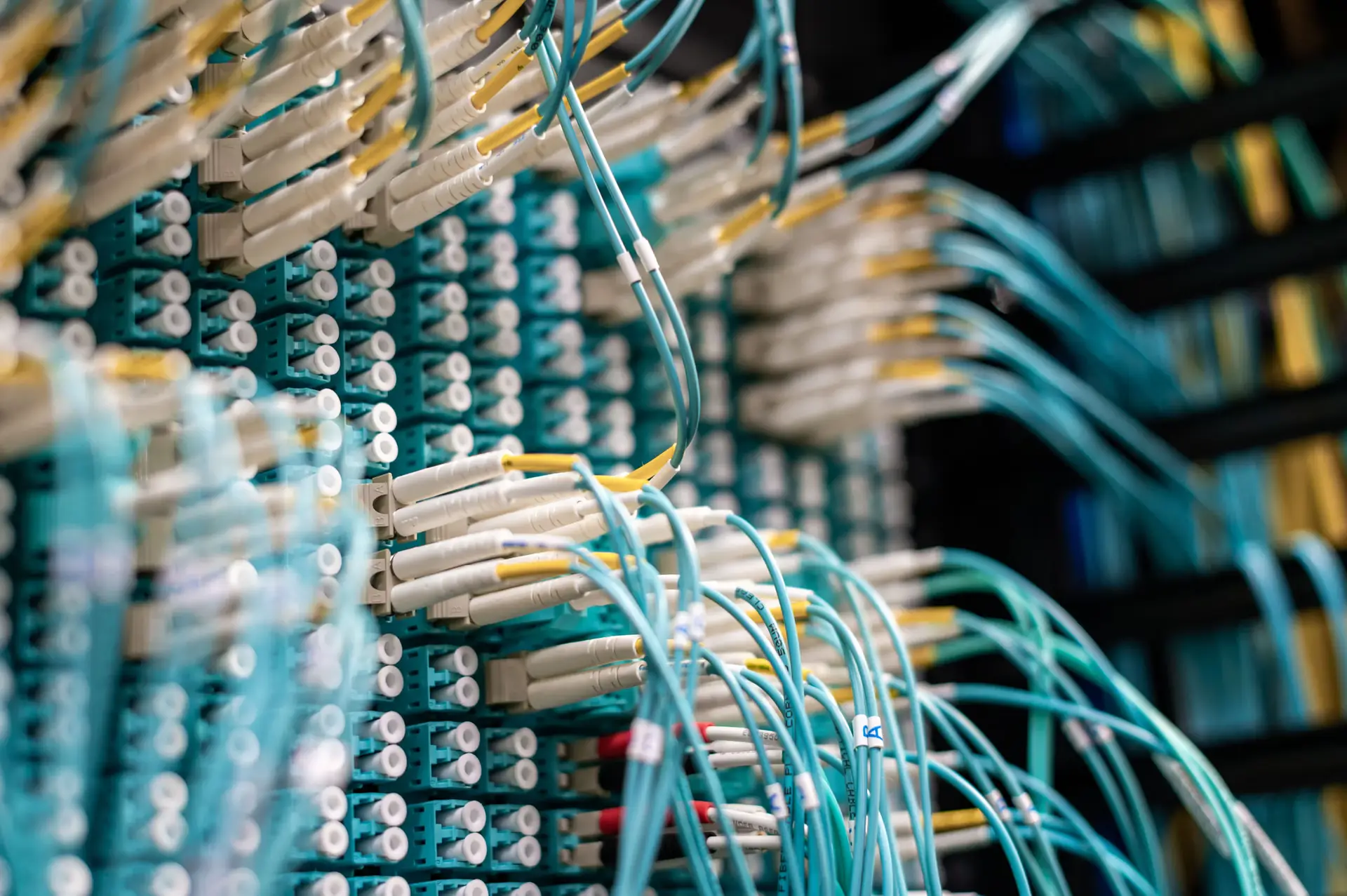
The cradle of global technological innovation has stumbled into a familiar American ritual: political panic in an election season. Across Northern California's Bay Area, local politicians are discovering that opposing data centers is a remarkably efficient way to mobilize anxious voters. At least seven municipalities, including San Francisco and Oakland, have recently enacted temporary 45-day moratoriums on new data center construction. The timing is hardly accidental as the country prepares for the midterm vote.
For all the official hand-wringing over power grid stability and rising utility bills, the immediate impulse behind these bans is tactical. Industry surveys show that over 60 percent of registered American voters oppose having a server facility built within ten miles of their home. Faced with those numbers, municipal supervisors have found an easy foil in the heavy physical machinery backing artificial intelligence. Halting server farm permits offers an instant soundbite, far easier than untangling state utility rate structures or investing in baseline power generation.
This friction is sharpest in the battle for the congressional seat long held by retiring Democratic powerhouse Nancy Pelosi. The contest between San Francisco Supervisor Connie Chan and state Senator Scott Wiener highlights two opposing visions for technology management. Chan, who helped push through San Francisco's local halt, favors extending moratoriums nationwide until federal artificial intelligence rules are in place. Wiener rejects blanket bans, arguing that freezing digital infrastructure threatens to undermine technology regulation and broader economic growth.
Underneath the electoral theater lies a genuine policy dilemma. The United States already operates more than 3,000 data centers, with another 1,500 in various stages of development. These installations demand immense electrical power and continuous cooling, raising local surface temperatures and taxing regional grids. Yet local oversight remains remarkably outdated. San Francisco still relies on planning rules written in 2001, leaving officials with inadequate tools to track power and water consumption for modern processing plants.
A short building pause does little to address these systemic deficits, acting primarily as a political holding pattern until the ballots are counted. Once election season concludes, developers and tech firms—including major players like Anthropic, Meta, and OpenAI—will inevitably contest the temporary bans. Symbolic freezes may appease local constituencies in November, but they do nothing to solve California's long-term energy calculus or slow the physical growth of the digital economy.
Written by Andreas Hofer andreas.hofer@alpineweekly.com