
Nov 3, 7:01 AM
Canberra’s Bipartisan Door Policy
Fresh parliamentary disclosure rules reveal how readily opposing politicians hand out keycards to energy magnates and gambling lobbyists.
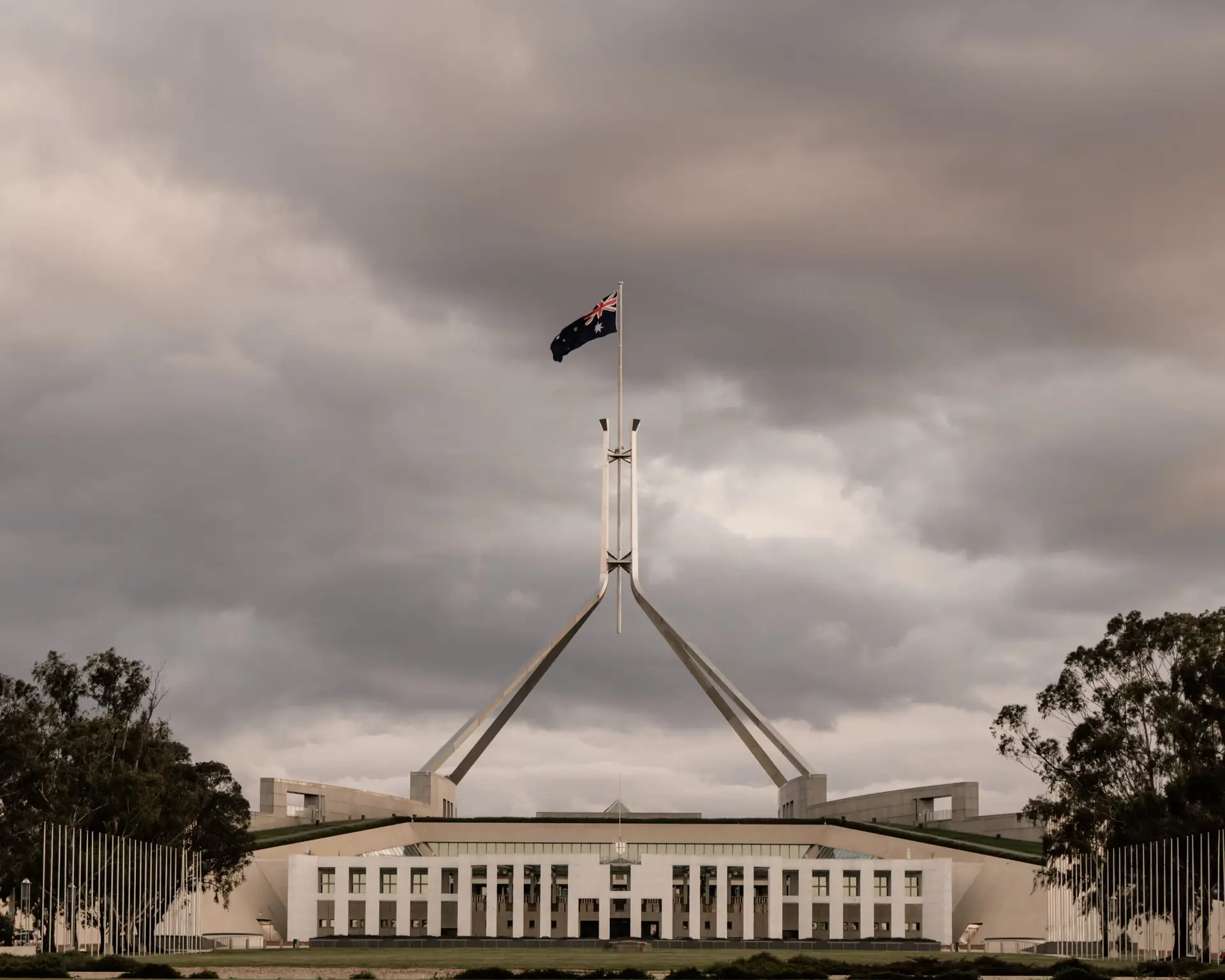
Canberra’s legislative corridors have long operated with a degree of friction-free access for corporate interest groups, but the latest effort to shine a light on parliamentary entry passes mostly illustrates the efficiency of the cross-party concierge service. Under updated disclosure rules, the Australian public was promised clear insight into who holds unescorted keycards to the private wing of Parliament House. What has emerged instead is a partial view into an ecosystem where political adversaries routinely set aside their ideological battles to sign off on lobbyist credentials.
The rules themselves are straightforward enough. Securing a sponsored pass requires the signatures of two parliamentarians—a measure intended to introduce accountability following reviews led by House Speaker Milton Dick and Senate President Sue Lines, alongside calls for rigor from Prime Minister Anthony Albanese. In practice, the requirement has merely demonstrated how broad the political consensus is when it comes to keeping major industries close at hand.
Energy and resource conglomerates have proven particularly adept at securing backing from both sides of the chamber. Woodside Energy gathered pass endorsements from Labor politicians Meryl Swanson, Glenn Sterle, and Tracey Roberts, alongside Coalition members Melissa Price, Rick Wilson, and Susan McDonald. The Minerals Council of Australia similarly relies on sponsorships spanning Coalition frontbenchers Angie Bell, Matt O’Sullivan, and Ted O’Brien, as well as Labor MP Dan Repacholi. Meanwhile, gas lobby Australian Energy Producers relies on Labor’s David Smith, and Alinta Energy relies on Shadow Energy Minister Dan Tehan alongside Repacholi.
These cozy arrangements extend well beyond mining and fuel. Responsible Wagering Australia, representing betting platforms bet365, Sportsbet, and Betfair, holds passes sponsored by Shadow Health Minister Anne Ruston and Labor Senator Raff Ciccone. The group’s chief lobbyist, Kai Cantwell, formerly served as a ministerial staffer to Ruston—a familiar movement through the revolving door between government offices and private advocacy.
Members outside the major party apparatus maintain their own networks of access. Energy Minister Chris Bowen and Industry Minister Tim Ayres sponsor veteran lobbyist Ben Oquist, while Greens leader David Shoebridge backs access for an Australian Peace and Security Forum staffer involved in inquiries into the Aukus defense deal. Independent Senator David Pocock sponsors passes for educational and construction groups.
Despite the reform, transparency remains elusive. The initial data dump accounts for roughly ten percent of the more than 2,000 active pass holders, slowed by a backlog of over 1,000 unprocessed applications. Representative Christian Slattery of the Australian Democracy Network noted that the partial release fails to inform the public about when or why politicians are meeting with commercial representatives, arguing that national legislation and an independent regulator are needed to oversee lobbying conduct.
What Canberra has delivered is a typical bureaucratic compromise: a register that discloses just enough to confirm long-held assumptions about access, while leaving the broader machinery of parliamentary influence largely undisturbed. Whether a partial public list will alter the daily habits of a political class accustomed to friction-free access remains a separate question altogether.
Written by Andreas Hofer andreas.hofer@alpineweekly.com