Nov 3, 7:01 AM
Rehearsing for a Theoretical Peace: Europe's Military Posturing in Poland
A twelve-nation force prepares for post-war Ukraine while basic strategic questions remain unaddressed.
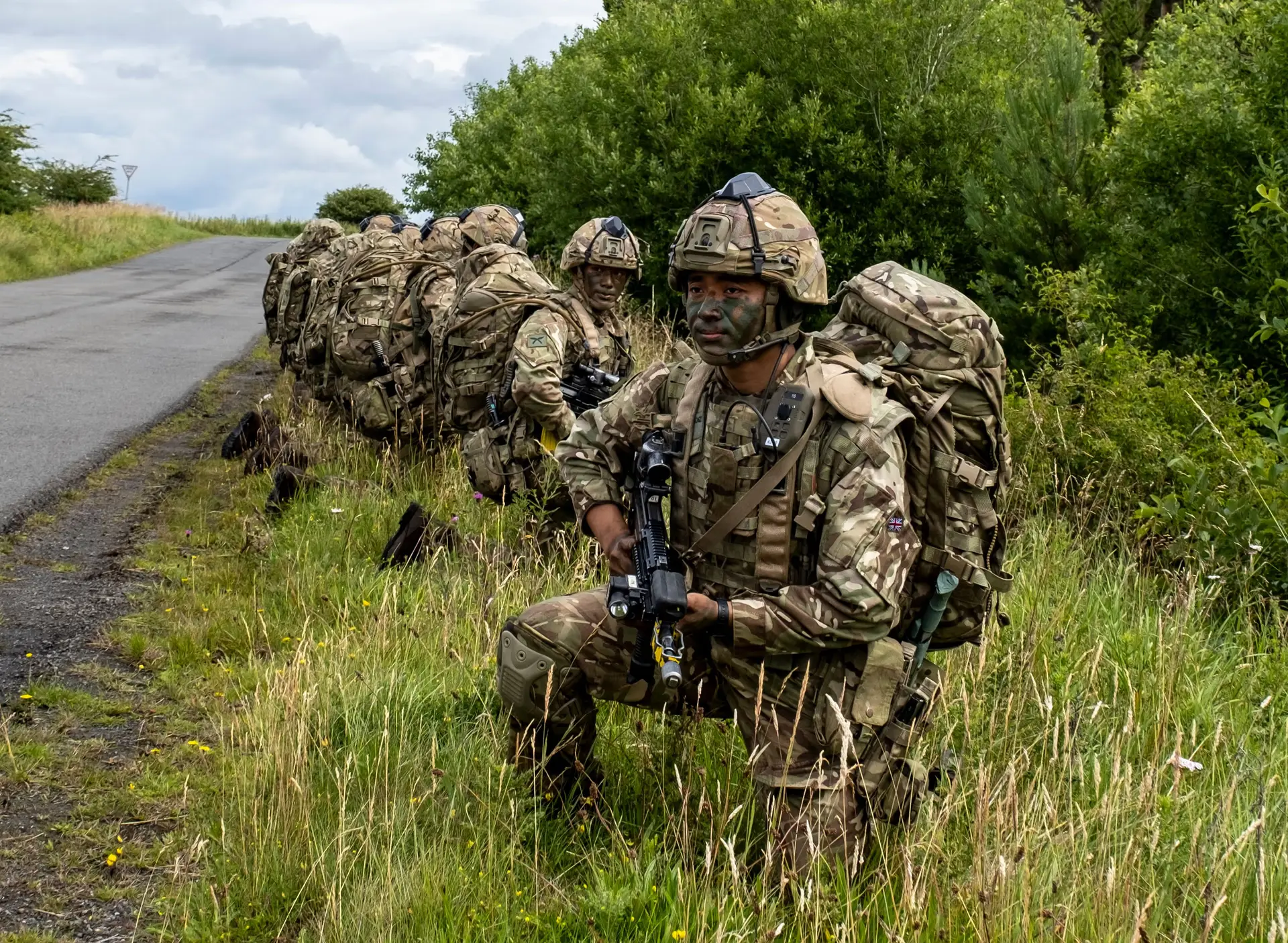
European political leaders have always excelled at rehearsing solutions for problems they have not yet solved. This month in Poland—a country rapidly establishing itself as Central Europe's military heavyweight while burdening its balance sheet with ambitious defense expenditures—some 2,800 troops from twelve nations are assembling for Exercise Koalicja. The objective is to practice deploying a multinational force to Ukraine once the active fighting ceases.
Led by Britain and France, the initiative, dubbed the Multi National Force – Ukraine, attempts to project posture without Washington’s direct troop involvement. The drill involves 300 British troops, two Royal Air Force Typhoons simulating airspace reassurance, and a naval component led by Turkey aimed at clearing Black Sea mines. Participating forces hail from a disparate mix of nations, including over-bureaucratic Western European capitals, economically strained Sweden, and the staunchly hawkish Baltic states.
Yet the operational logic of this force rests on fragile assumptions. Western officials emphasize that the personnel would not engage in offensive combat, operate under NATO command, or monitor ceasefires. Instead, their presence is framed around training and reassurance. Quite what training European forces might offer a Ukrainian army currently instructing NATO armies on modern drone warfare remains an open question.
Political rhetoric, as usual, seeks to outpace military reality. UK Defence Secretary Wes Streeting defended the drill, stating that this is not a hypothetical plan, it's a real force, ready to help Ukraine once the fighting stops. Lt Gen Tom Bateman added that the exercise represented a real, capable, readily deployable force that represented a serious commitment from Coalition of the Willing nations to Ukraine's long-term stability and security.
Moscow's reaction to such ventures has been predictable. Russian President Vladimir Putin previously noted that foreign military personnel stationed inside Ukraine would constitute legitimate targets. With officials declining to detail the precise rules of engagement should international forces come under fire, European capitals appear content to construct elaborate contingency plans while the essential strategic dilemmas remain completely unresolved.
Written by Sandy van Dongen sandy.vandongen@alpineweekly.com