Oct 28, 5:02 AM
Royal Diplomacy Meets Historical Accounting in the Caribbean
As King Charles tours former colonies, Caribbean demands for slavery reparations clash with London's firm refusal to write a blank check.
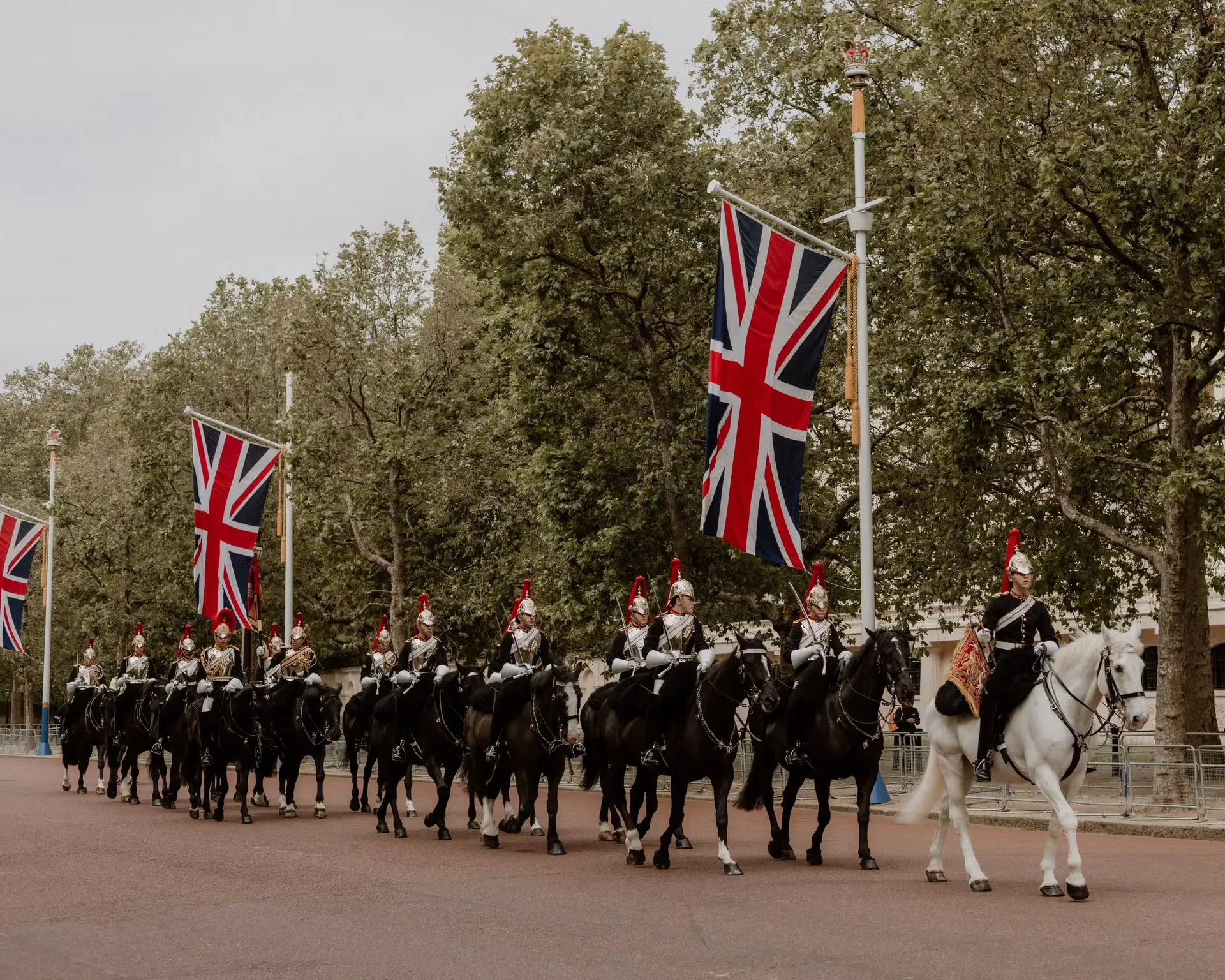
The modern royal tour of the Commonwealth has increasingly taken on the character of a rolling audit. As King Charles III began his nine-day itinerary across the Caribbean, expectations from local hosts were clear: acknowledge the historical ledger, express formal remorse, and open the door to financial compensation. The British Crown, however, operates under the strict constraints of constitutional precedent, leaving the sovereign to execute a delicate balancing act.
Stepping onto the grounds of Clifford Park in the Bahamas—the site where British colonial rule ended in 1973—the monarch acknowledged that historical suffering must be recognized alongside present achievements. He confirmed that the legacy of transatlantic slavery will feature on the agenda when Commonwealth leaders gather in Antigua and Barbuda for their upcoming summit. Yet, for local advocates, sympathetic sentiments fall short.
The response from regional representatives was swift. The Bahamas National Reparations Committee rejected the notion that Bahamian culture was merely a byproduct of historic darkness, insisting instead that it represents human agency and survival. The committee’s chair, Dr. Niambi Hall Campbell-Dean, characterized the monarch's words as hollow platitudes, arguing that justice requires a full, formal apology and direct atonement for the Crown's historical role.
This friction exposes the divide between symbolic royal diplomacy and tangible political demands. Ahead of the King's arrival in Guyana, President Mohamed Irfaan Ali echoed calls for an explicit apology, while Professor Hilary Beckles of the Caribbean Community Reparations Commission urged the sovereign to approach the region's youth with genuine remorse.
The political reality in London, however, remains unyielding. King Charles acts upon the explicit advice of his ministers. With Prime Minister Andy Burnham and Foreign Secretary Ed Miliband joining the delegation in Antigua, the British government maintains its refusal to sanction formal apologies or monetary reparations, favoring contemporary economic cooperation instead. Buckingham Palace also framed the trip as part of a continuing journey to engage with history while focusing on modern partnerships.
This is not the monarch's first attempt to navigate imperial history. In Barbados in 2021, Charles referenced the atrocity of slavery as a permanent stain, and later in Rwanda, he described his ongoing effort to understand its lasting damage. Yet as the summit in Antigua approaches, the limits of personal reflection are obvious. Where Caribbean leaders demand financial and historical restitution, Westminster offers trade dialogue, leaving the King caught in the middle of an unresolvable accounting exercise.
Written by Freya Stensrud freya.stensrud@alpineweekly.com