Oct 28, 5:01 AM
Lausanne’s Sensitivity Cure for Police Misconduct
Confronted with fatal interventions and explicit chat groups, municipal authorities resort to diversity workshops and corporate dialogue.
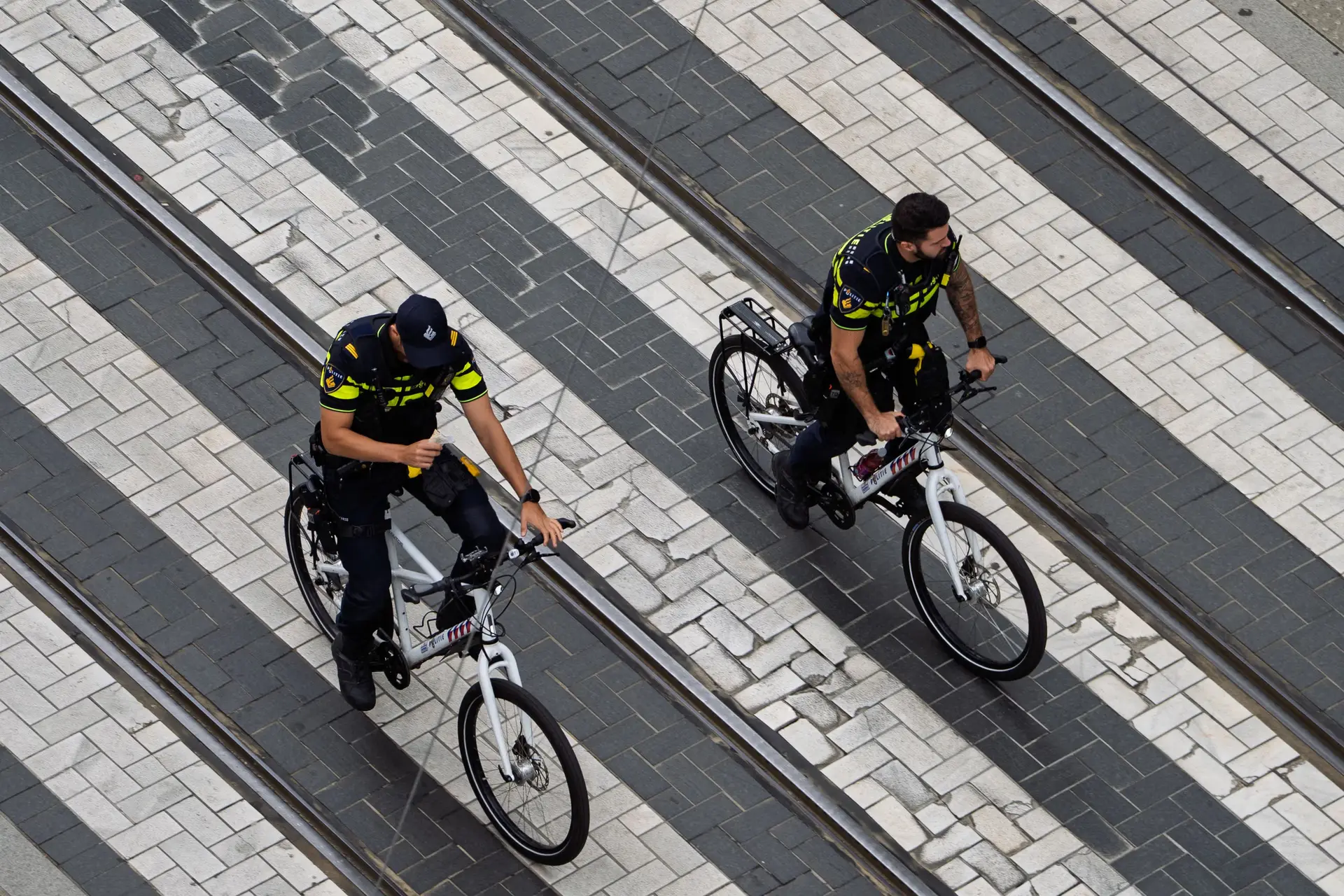
When a public institution in Switzerland stumbles into systemic embarrassment, the prescribed cure is almost comforting in its predictability. There will be an expert report, a long-term strategic initiative named after a distant calendar year, and, above all, mandatory seminars on sensitivity. The Lausanne municipal police have now reached this exact stage of institutional penance. Following years of sordid revelations—ranging from racist and sexist WhatsApp exchanges among officers to fatal police interventions—the city authorities have officially adopted the first package of Reform 2030.
The blueprint relies heavily on a final report produced by André Duvillard, the former Neuchâtel police chief and former delegate for the Swiss Security Network. Rather than stripping away powers or enforcing drastic disciplinary overhauls, the city's strategy leans into managerial fine-tuning. Starting this November and December, police executives will undergo pilot training sessions designed to prevent discrimination, handle cultural diversity, and defuse internal tensions. The coursework was assembled alongside external bodies such as the Swiss Refugee Council and the International League Against Racism and Anti-Semitism. By 2028, every executive in the force is slated to pass through these workshops.
Whether a series of seminars can effectively purge deep-seated prejudices from encrypted group chats is a different question. Lausanne’s police force has spent years under a cloud of scrutiny. The departure of former commander Olivier Botteron, who announced his resignation in September 2025 and quietly retired early in July 2026 at age 59, signaled the end of one era, but left the structural issues unresolved. The public fallout was not merely about distasteful digital banter; it involved the deaths of two young scooter drivers fleeing officers and other high-profile fatalities that prompted sharp criticism regarding the proportional use of force.
In response, interim police commander Stéphane Volper has initiated a series of eight dialogue sessions with officers and leadership before the year ends, aiming to make emerging problems visible early. Simultaneously, human resources has been reorganized and integrated more deeply into police leadership to improve staff oversight and better guide recruits.
It is a thoroughly Swiss solution: gentle, orderly, and deeply committed to the belief that institutional rot is simply a training deficit waiting to be managed. Rebranding human resources and outsourcing moral instruction to civic organizations allows the local executive to project activity while avoiding uncomfortable questions about command culture and accountability. Whether eight staff meetings and a calendar full of diversity workshops can repair public trust, or if they merely serve as a polite managerial veil over an unyielding police culture, will soon become evident.
Written by Freya Stensrud freya.stensrud@alpineweekly.com