Oct 28, 7:01 AM
Lugano’s Speed-Restricted Tribute
Plans to honor the late anti-establishment politician Giuliano Bignasca with a 30 km/h street have provoked legal threats and political absurdities.
There is a distinct flavor of irony in how Swiss local democracy chooses to honor its most tempestuous figures. More than a decade after his death, Giuliano Bignasca—the pugnacious founder of the Lega dei Ticinesi, long-time Lugano city councillor, and former National Councillor—is once again dividing his hometown. The cause of the latest political squabble is the municipal council's decision to rename Via Capelli in his honor.
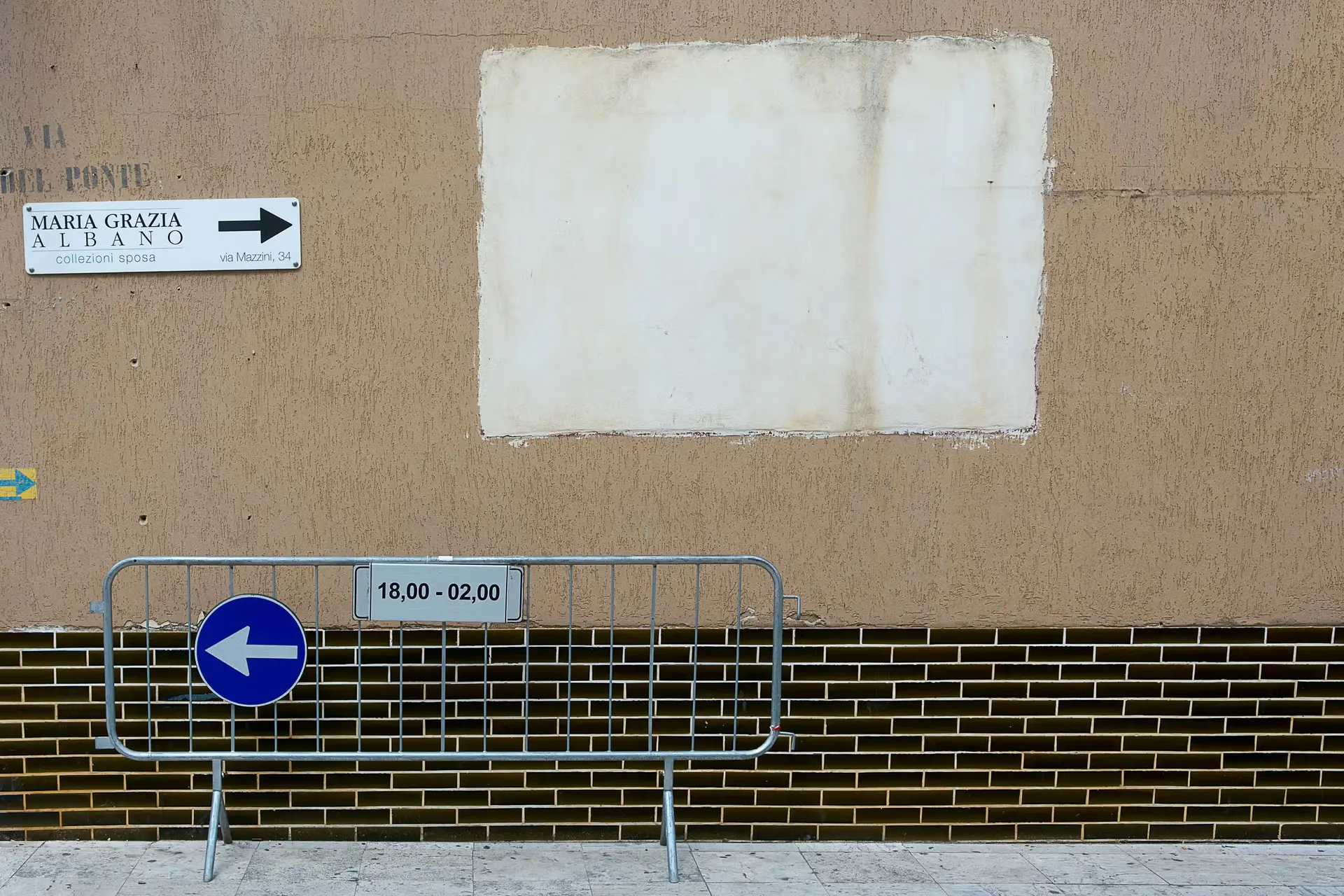
The choice of location borders on satire. Via Capelli is a modest stretch of road along the Cassarate River, flanked by a generous bicycle path and choked by a strict 30 km/h speed limit. For a politician who spent his life campaigning aggressively for motorists and waging war against traffic restrictions, being commemorated with a low-speed alleyway feels less like a tribute and more like a bureaucratic prank.
Yet the establishment is taking the matter with typical Swiss gravity. Opponents, led by former prosecutor Paolo Bernasconi, are threatening legal action to block the renaming. Critics argue that public honors should be reserved for figures who enjoyed broad popular respect, not a firebrand who racked up multiple criminal convictions for tax offenses, traffic violations, and defamation. Bernasconi has even suggested that some of Bignasca’s past verbal attacks would today be classified as hate speech, demanding that the cantonal government of Ticino step in to overturn the city's decision.
Supporters of the move see things differently. Lugano city councillor Gian Maria Bianchetti from the Lega acknowledges that the party founder was undeniably controversial, but insists the focus should remain on his concrete accomplishments for the city he loved. Whether the canton even possesses the legal authority to intervene remains a matter of intense dispute, with other local politicians arguing that the decision belongs properly to the municipal parliament.
Predictably, the debate has paralyzed local authorities in procedural confusion. While supporters claim Bignasca fought for the little guy against the political class, his detractors refuse to let his record of public insults be smoothed over by a street sign. Whether Bignasca himself would have appreciated the gesture is doubtful, given his lifelong allergy to bicycle lanes and speed limits. But as legal appeals loom and politicians squabble over jurisdictional boundaries, the spectacle itself is a fitting monument to his legacy.
Written by Martina Kirchner martina.kirchner@alpineweekly.com