Oct 20, 10:01 AM
Morocco’s Glass Ceiling Breaks, but the Royal Machinery Rules On
A historic appointment at the top cannot hide deep public cynicism and mounting economic troubles in Rabat.
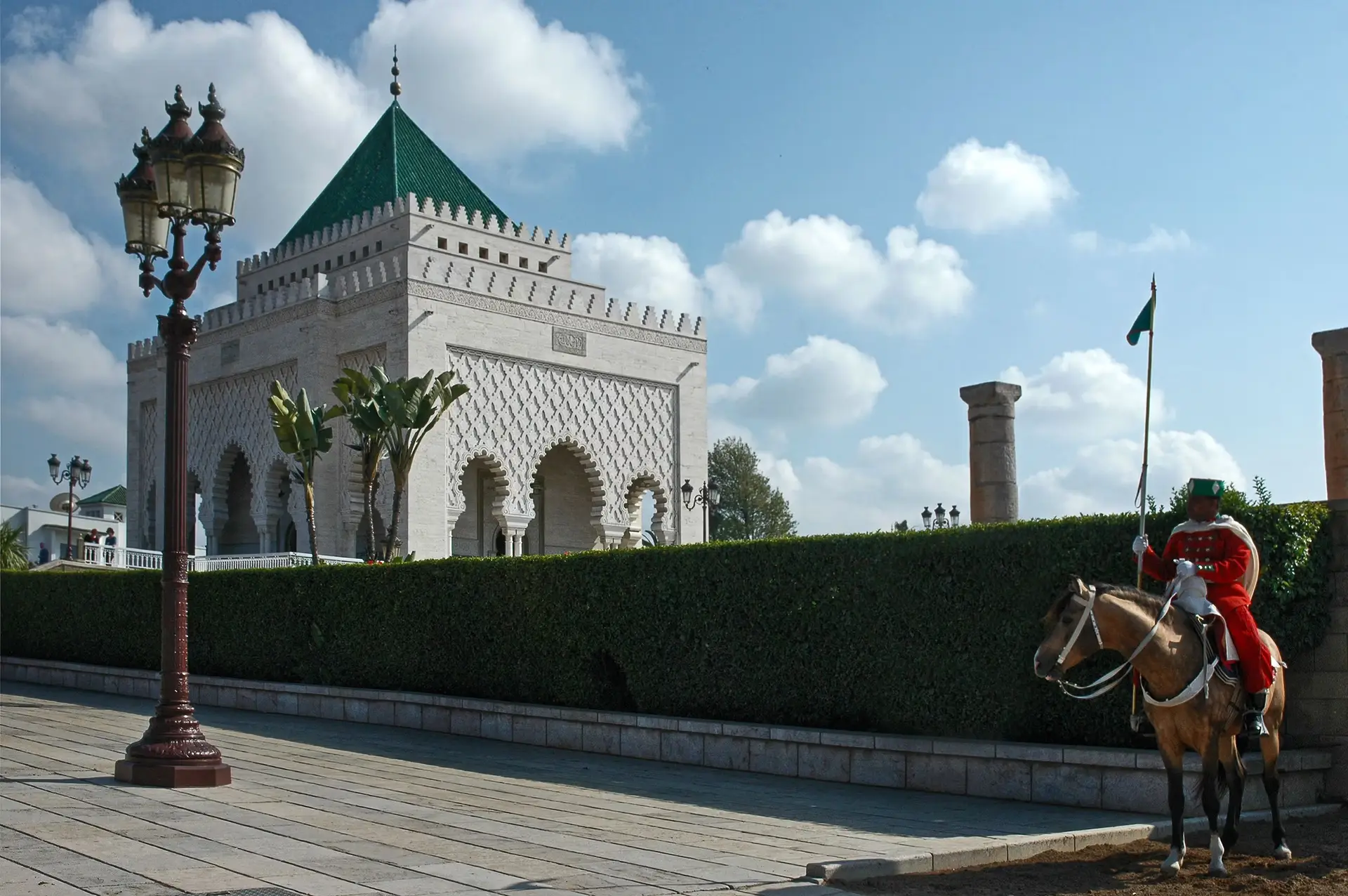
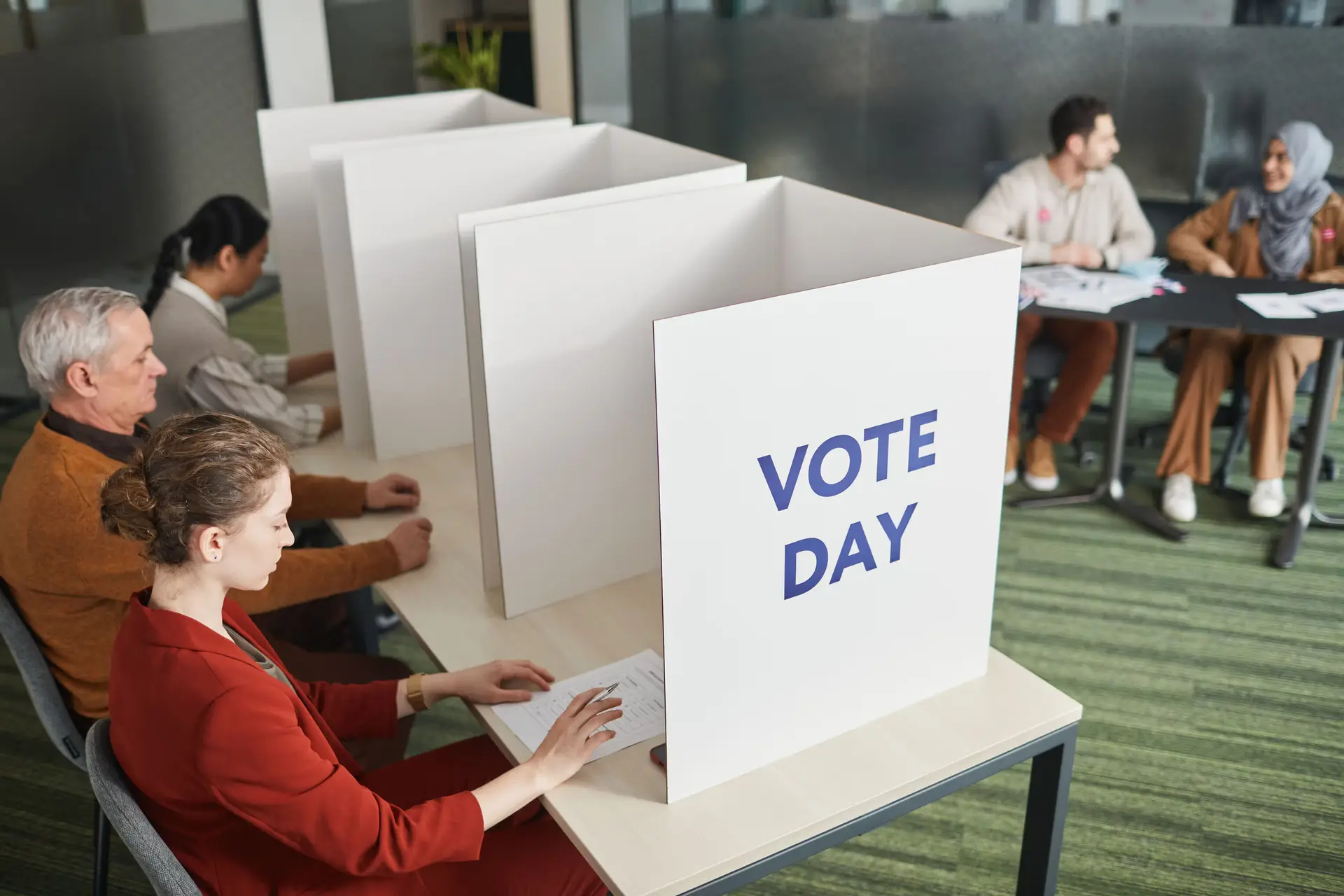
When King Mohammed VI appointed Fatima Zohra Al Mansouri as Prime Minister, international commentators promptly celebrated a historic milestone for North Africa. It makes for an attractive headline, yet Moroccans looking at the voting numbers might be forgiven for their collective shrug. When sixty-two percent of eligible voters choose to stay home on election day, a landmark appointment loses much of its democratic luster.
Al Mansouri leads the Authenticity and Modernity Party (PAM), an enterprise created in 2008 by Ali Himma, a close adviser to the King. Originally established as a palace-backed counterweight to the Islamist PJD, PAM spent years trying to shake off its image as a mere creation of the royal establishment, the Makhzen. Rebranding efforts, fresh recruits, and strategic coalition-building eventually brought the party to the top in the latest parliamentary elections. To secure that victory, however, the party relied on last-minute political opportunism, such as recruiting Faouzi Laaqjea—head of the Royal Moroccan Football Federation—just two months before the vote to capitalize on his popularity.
Despite the political drama, the resulting coalition delivers remarkably little change. More than half of the ministers are holdovers from the previous government, while the crucial sovereign ministries remain directly under royal control. Citizens naturally ask what the point of voting is when the same figures are reappointed to power, especially after an election marked by missing official records and unverified results.
This familiar leadership now confronts an unpromising economic reality. The cabinet recently put forward a 2027 Finance Bill prioritizing purchasing power, youth inclusion, and social programs. Yet public spending ambitions will soon hit external limits. Rising global energy prices and elevated input costs are squeezing key domestic sectors, including the state-owned phosphate producer OCP Group. Compounding these troubles are seven consecutive years of drought, potential El Niño disruptions threatening food security, and a cooling global tourism market weighed down by high transport costs and regional conflicts.
Navigating these pressures will prove difficult for a cabinet already under pressure from an aggressive opposition of Islamists and the radical left. Individual ministers also face immediate friction. The foreign minister must manage widespread public resistance to diplomatic normalization with Israel, the interior minister faces lingering allegations of election fraud, and the religious affairs minister has stirred diplomatic tension with Spain over comments regarding secularism and Ceuta. The monarchy has masterminded a smooth transition on paper, but governing a skeptical electorate amid economic stagnation demands far more than symbolic political milestones.
Written by Thorben Thiede thorben.thiede@alpineweekly.com