Sep 16, 10:01 AM
Gaza’s Structural Calculus: When War-Damaged Ruins Become Fatal Traps
A building collapse in Gaza City underscores the perilous choices forced upon civilians living among compromised infrastructure.

When a multi-storey residential block in Gaza City’s Tal al-Hawa neighborhood collapsed, no immediate air strike was required to pull down the structure. The silent work of prior war damage was sufficient. Beneath the pancaked floors lay at least twenty bodies, including five children, while local rescue teams scrambled to locate dozens of residents reported missing beneath the debris.
The catastrophe highlights a grim arithmetic facing displaced civilians. Ten families had moved into the damaged apartments despite clear warnings that the structure was unsafe. In an environment stripped of safe alternatives, calculated risks regarding structural integrity routinely yield to the immediate necessity of finding shelter.
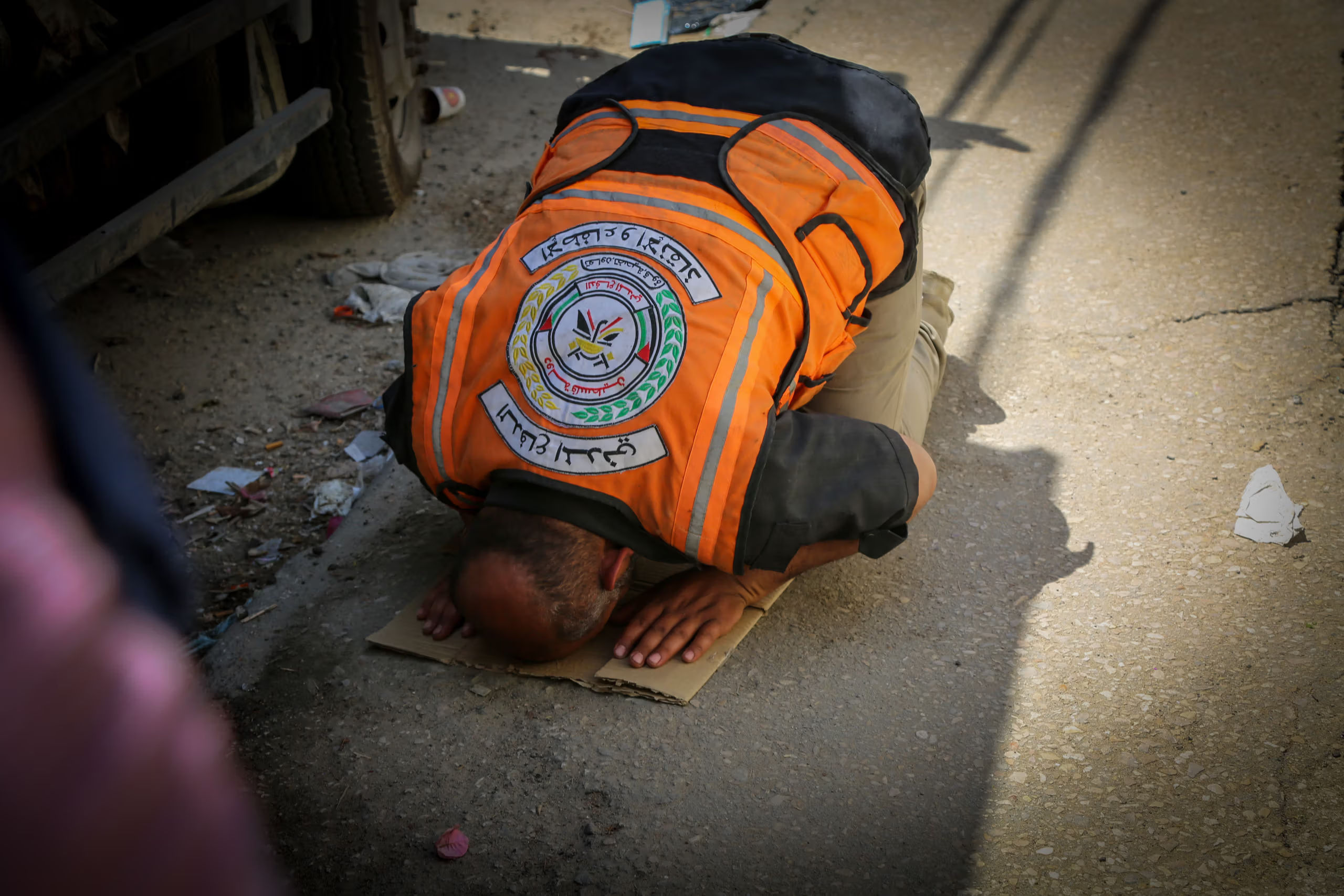
Rescue operations further demonstrated the severe logistical paralysis within the enclave. First responders from the Hamas-run Civil Defence initially worked with bare hands, citing tight Israeli restrictions on bringing heavy equipment into Gaza. Only later were rescue teams able to borrow machinery capable of shifting major concrete slabs.
The collapse unfolded alongside continued military operations across the Gaza Strip. Israeli air strikes resulted in at least five Palestinian casualties, including two children and a Hamas commander. According to Israeli military statements, operations targeted a commander in the south and another fighter in the north, though local health sources reported that children were killed in both actions. Separately, the British charity Medical Aid for Palestinians reported that an Israeli drone killed a patient inside a supported health facility in northern Jabalia.
Gaza's urban landscape now presents a dual threat to its inhabitants. Buildings damaged in past bombardments stand as delayed hazards, competing with active military operations to render basic shelter inherently lethal.
Written by Thomas Nussbaumer thomas.nussbaumer@alpineweekly.com