Nov 4, 7:01 PM
France Outlines Fleet Expansion and Domestic Drone Strategy at Euronaval
Paris targets increased naval spending and local defense procurement as global maritime security challenges escalate
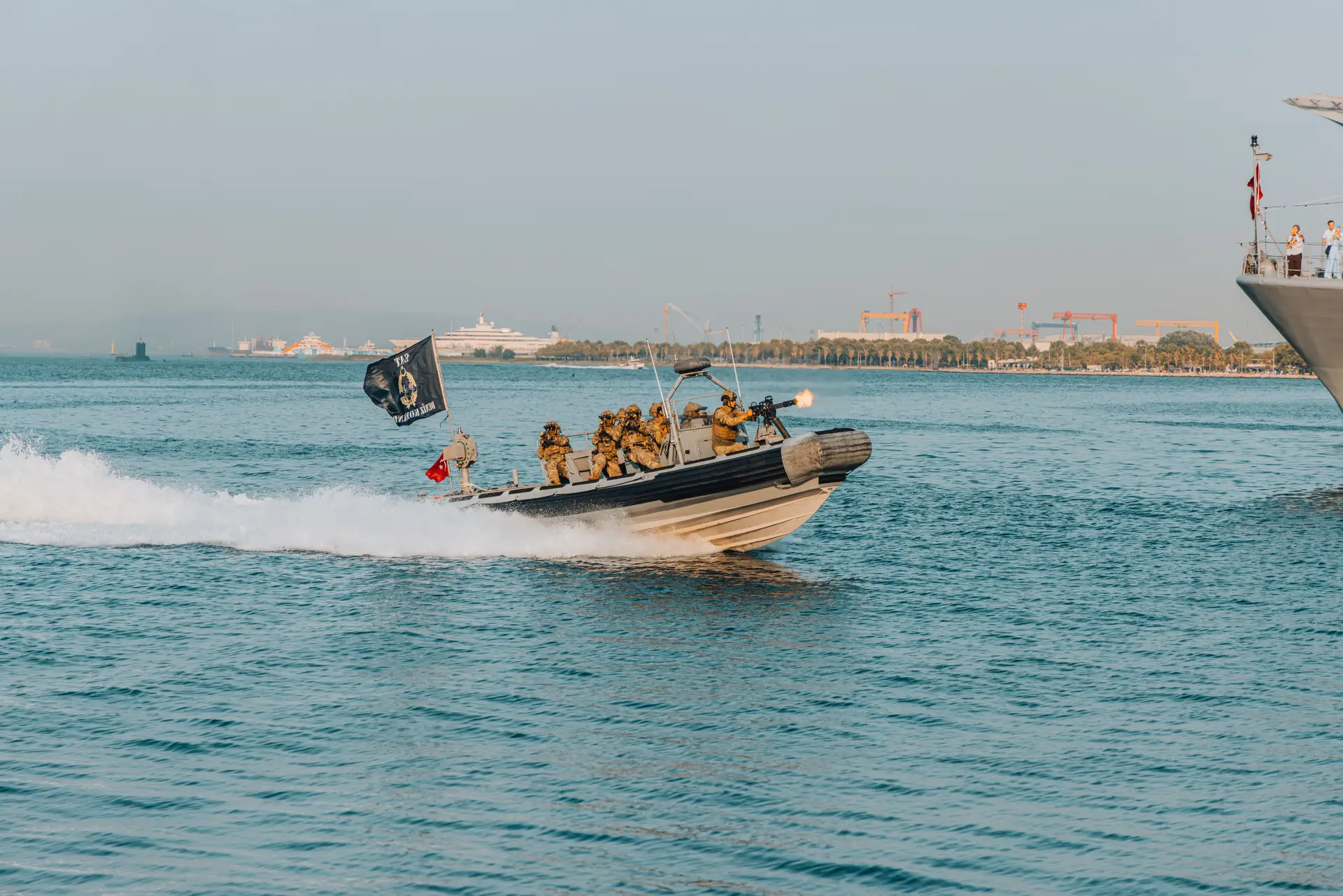
France outlined plans to modernize its naval fleet and announced a new agreement to build a domestic ecosystem for military drone production at the Euronaval defense exhibition near Paris. Speaking at the opening of the four-day trade show, French Defence Minister Catherine Vautrin detailed procurement projects including new attack submarines, frigates, and preparations for the France Libre nuclear-powered aircraft carrier.
The government agreement signed on Tuesday aims to establish a local network of drone manufacturers capable of responding to the operational requirements of the French Navy. François Watteau, a combat program director at the Directorate General of Armaments, stated that autonomous naval systems incorporating artificial intelligence allow operations over greater distances at reduced costs. He added that military programming laws covering the 2024–2030 period have increased state funding and driven national focus toward naval equipment.
France maintains a strong preference for domestic and European contractors in its military spending, with ministry data showing that 92 percent of defense suppliers were based in France in 2024. However, executives from smaller defense firms have criticized the dominance of major state-backed players in procurement. Martin Serrault, general director of inflatable boat manufacturer Sillinger, stated that large companies such as Naval Group and Thales absorb the vast majority of government defense contracts.
France possesses the second-largest exclusive economic zone globally and ranks as the world's second-largest arms exporter behind the United States. In addition to fleet modernization, French authorities have intercepted at least six oil tankers since September 2025 suspected of operating within an unflagged shadow fleet to bypass energy sanctions. In March, President Emmanuel Macron pledged to increase the country's nuclear warhead stockpile for the first time since 1992.
The future scale of these defense programs will depend on upcoming parliamentary and executive deliberations over national security spending. The French government has proposed increasing the 2027 defense budget to 63.4 billion euros, representing an 11.4 percent increase over the 2026 allocation. Political figures including Raphaël Glucksmann, Édouard Philippe, Bruno Retailleau, and Marine Le Pen are scheduled to visit the trade show before it concludes on Thursday.
Written by Thomas Nussbaumer thomas.nussbaumer@alpineweekly.com