Nov 4, 7:01 PM
Basel-Stadt Administration Misses Interim 2026 Climate Reduction Goal
The cantonal administration achieved a 12 percent reduction in emissions instead of the targeted 25 percent.
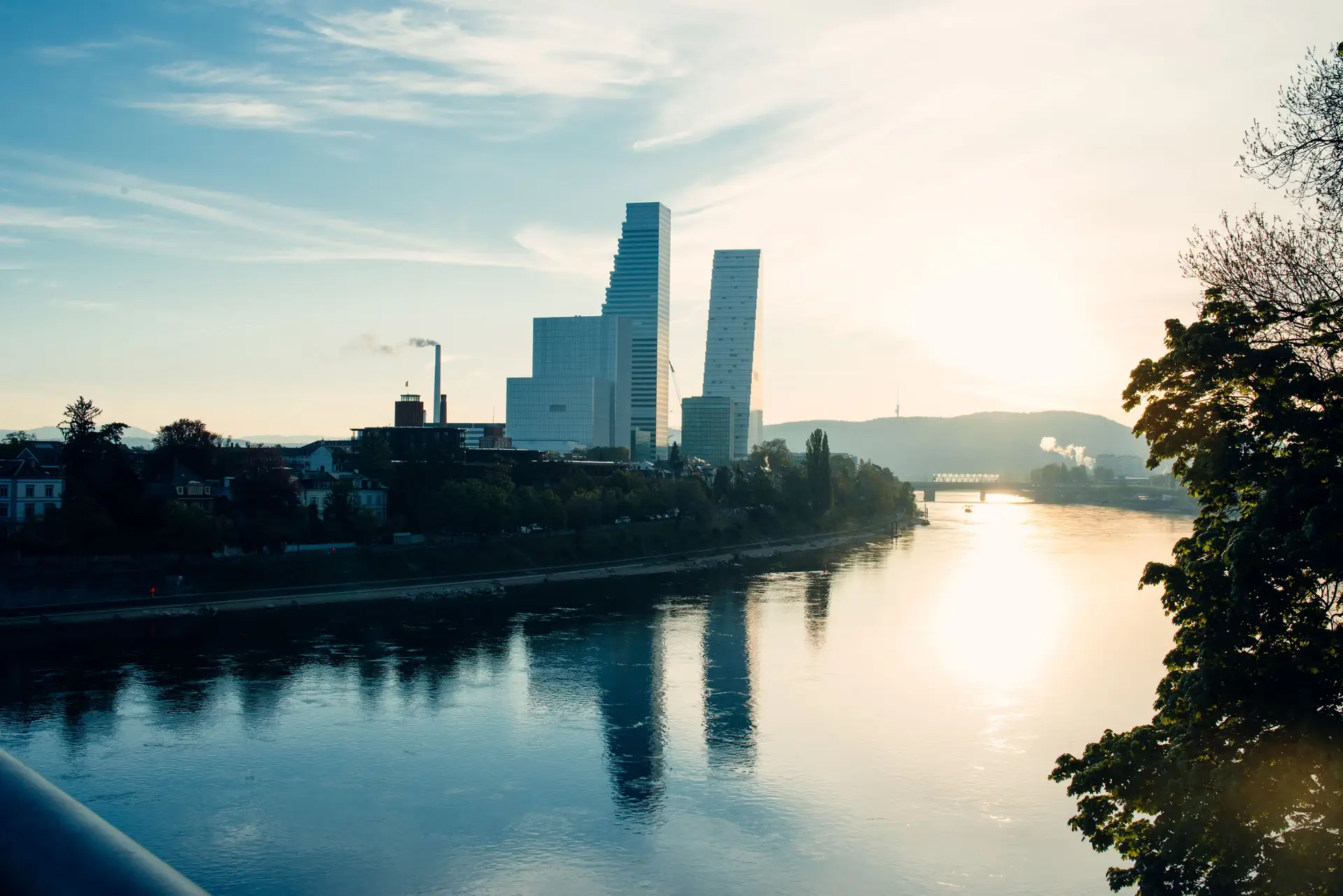
The administration of the Swiss canton of Basel-Stadt has fallen short of its interim climate targets, according to an official progress report published by the cantonal government. Instead of the planned 25 percent reduction in greenhouse gas emissions by 2026, municipal operations achieved a reduction of 12 percent.
The government cited delays across several operational areas for the shortfall. Till Berger, head of the cantonal climate office, stated that renewable heating conversions were completed in 60 public buildings by last year, missing the goal of 71 structures. The electrification rate of the administrative vehicle fleet reached 42 percent, falling short of the 46 percent target.
Operational habits and unaddressed cooling infrastructure also contributed to the remaining emissions. Berger noted that combustion engine vehicles remain in heavy use, with some staff continuing to choose conventional cars over available electric models. Additionally, systematic evaluations of cooling systems in public facilities such as hospitals and museums have not yet begun.
The published figures drew criticism from across the political spectrum in the cantonal parliament. Jérôme Thiriet, a parliamentarian for the Green Party, said that missed targets damaged the canton's credibility. Representatives from the FDP and LDP warned that setting unrealistic public sector targets could discourage private citizens from making climate efforts. Joël Thüring of the Swiss People's Party argued against binding calendar deadlines set by administrators and advocated for less ambitious goals, while Stefan Wittlin of the Social Democratic Party insisted the administration must retain its 2030 role-model target to support the canton's broader 2037 net-zero goal.
Despite the delay, the cantonal government affirmed its commitment to achieving a net-zero administration by 2030. Berger stated that the executive intends to accelerate implementation and use the report to make necessary course corrections. The government plans to publish an updated climate strategy in the spring, with the next formal progress report scheduled for 2028.
Written by Martina Kirchner martina.kirchner@alpineweekly.com