Nov 2, 7:01 AM
Dynastic Hubris in South Carolina
Trump's endorsement of Darline Graham triggers a grassroots rebellion that could cost Republicans a safe Senate seat.
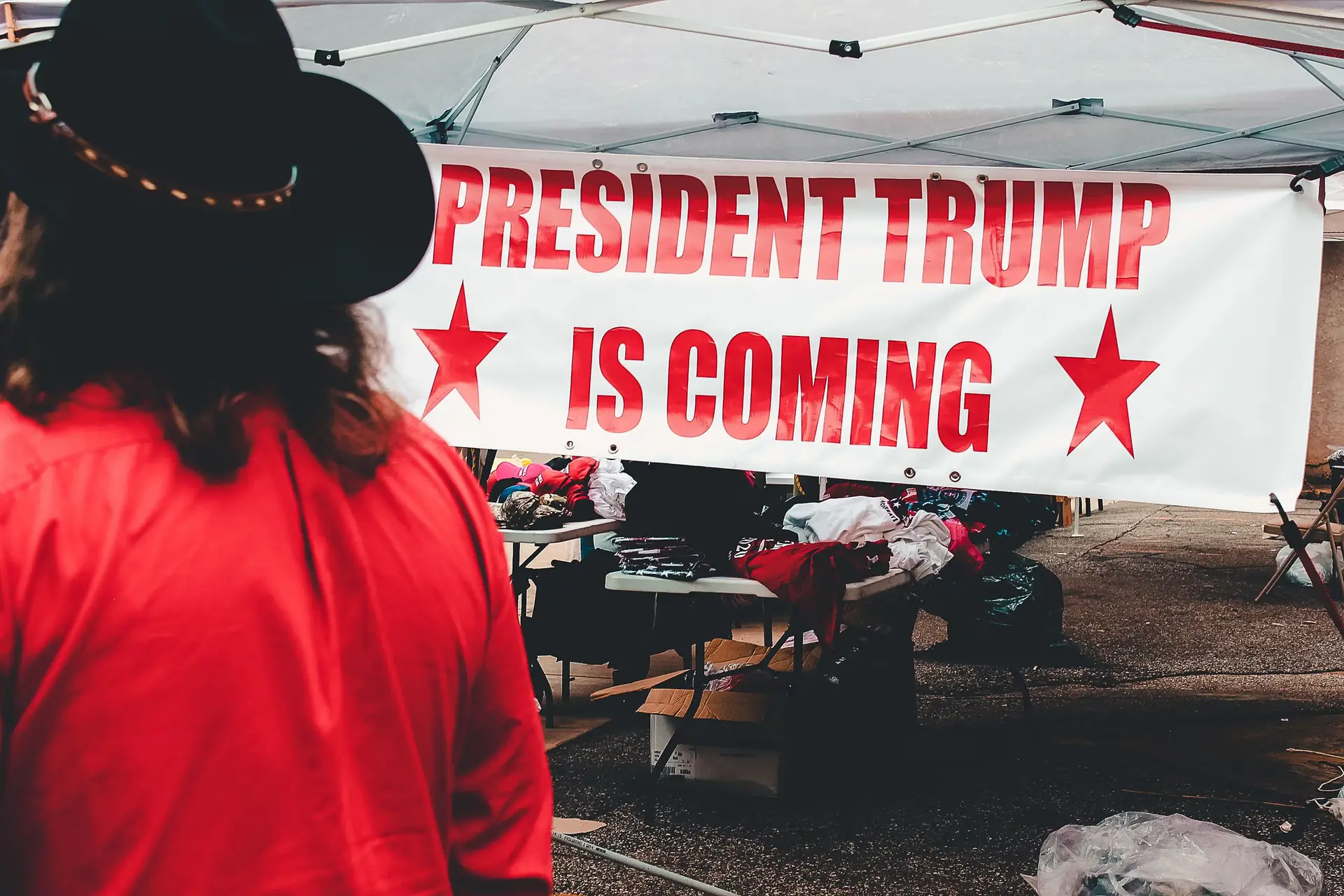
Is South Carolina's Republican establishment rediscovering the hard lesson that voters are not hereditary property? The death of Senator Lindsey Graham in July 2026 initiated a political experiment in dynastic succession. When his sister, Darline Graham, stepped into his seat as the first sibling appointed to a Senate vacancy, the narrative seemed pre-scripted. A quick endorsement on social media from Donald Trump, a primary victory over Representative Ralph Norman, and the Republican machine assumed the deal was closed.
Reality, however, has a habit of disrupting backroom arrangements. A growing faction of grassroots conservatives, led by activists like Avery Milton, has refused to fall in line. Disillusioned by shifting foreign policy commitments—most notably the administration's venture into war with Iran—and frustrated by what they perceive as an installed candidate, these voters have launched a deliberate write-in campaign for Ralph Norman.
For the Republican establishment, the arithmetic is becoming uncomfortable. While write-in campaigns rarely succeed—Alaska’s Lisa Murkowski standing as the solitary modern anomaly from 2010—they excel at wrecking delicate electoral balances. South Carolina has not elected a Democratic senator since 1998, and Trump carried the state by nearly 18 percentage points in 2024. Yet an October New York Times/Siena poll placed Darline Graham in a dead heat with Democratic challenger Annie Andrews, both tied at 48 percent.
The core of the problem lies in the electorate's refusal to act as a monolith. Independent voters, who make up roughly 30 percent of the state’s electorate, favor Andrews by a 20-point margin. Meanwhile, Representative Norman himself has kept his distance from Graham, noting that votes must be earned rather than inherited. Graham’s campaign strategy of private dinners and high-profile presidential rallies has done little to win over the conservative base in Upstate South Carolina.
With early voting already topping 950,000 ballots—a record for a midterm election in the state—the presidential intervention of two campaign visits in three months reveals genuine anxiety inside the party. If conservative voters decide to write in Norman on November 3, they risk handing the seat to the Democrats. Yet for those driving the rebellion, the blame lies squarely with an establishment that took their loyalty for granted.
Written by Thomas Nussbaumer thomas.nussbaumer@alpineweekly.com