
Oct 20, 6:01 PM
Blockades, Ballistics, and Strategic Paralysis in Yemen
As Houthis choke Taiz and strike Shabwah, the international coalition offers air defense while ground forces stall.
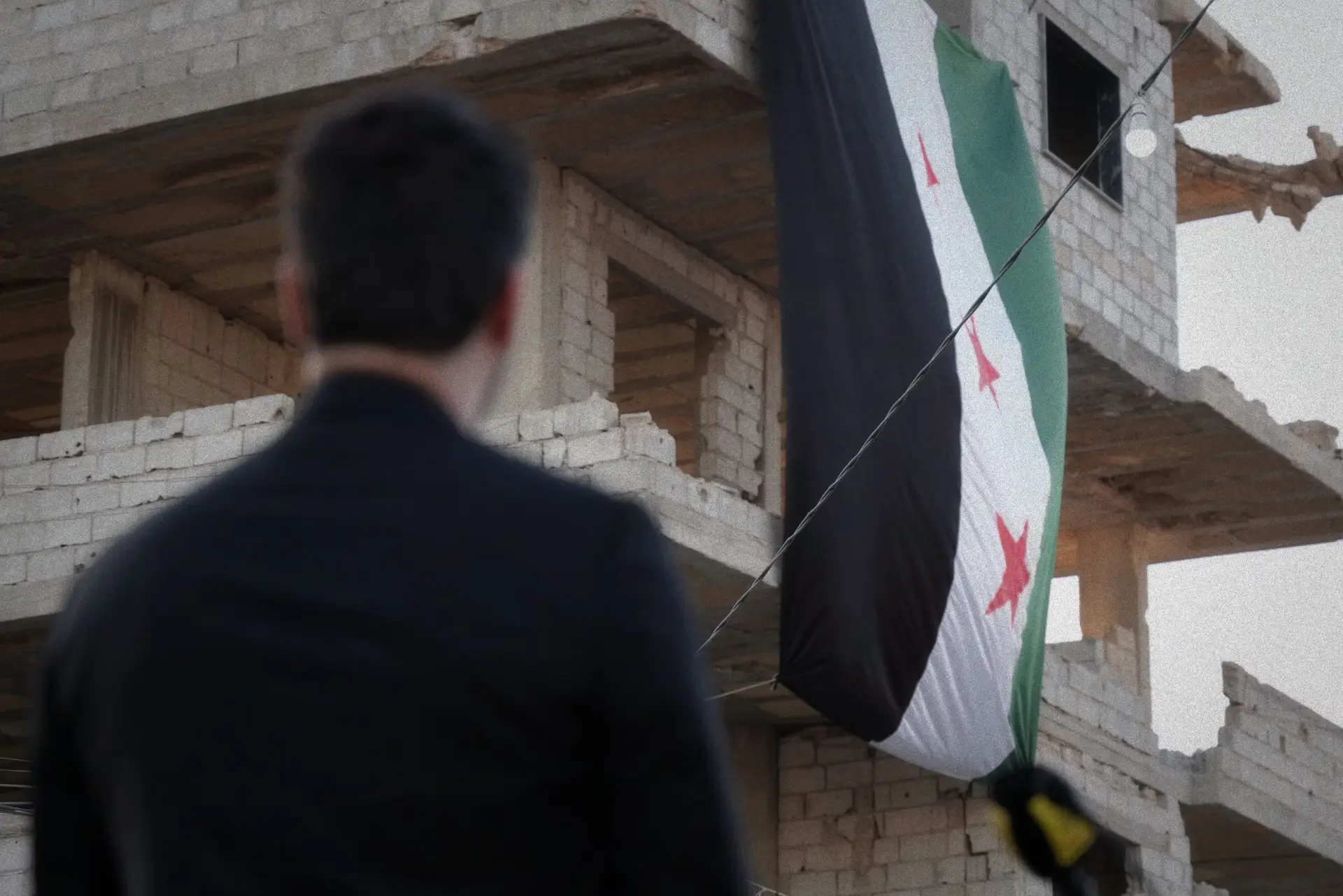
War in Yemen follows a depressing routine. The Houthis sever vital supply arteries, international bodies issue frantic warnings, and the internationally recognized government appeals to foreign patrons for rescue. The latest iteration of this cycle centers once again on Taiz. By seizing the primary highway linking the city to Aden, Ansar Allah fighters have trapped over four million residents behind a blockade, choking off access to food and essential commodities.
The humanitarian arithmetic is brutal. According to the UN World Food Programme, road closures have isolated 800,000 people from direct aid, mostly within Taiz governorate. Nationwide, more than 18 million Yemenis face severe food insecurity. UN Human Rights Chief Volker Turk warned that closing the last remaining supply route subjects civilians to grave peril, insisting that humanitarian aid must be immediately allowed to enter the city and its passage must be facilitated. Local casualties continue to mount quietly; between August 1 and October 19, fighting in Taiz governorate claimed at least 32 civilian lives, including 14 children.
While civilians endure inflated prices and dwindling supplies, the military front lines remain locked in violent attrition. In Shabwah governorate, a Houthi ballistic missile strike on the al-Alam military camp killed 73 people, prompting Yemen’s Presidential Leadership Council President Rashad al-Alimi to formally demand that the United Nations classify the group as a terrorist organization. Government forces retaliated with air strikes in Najd Qasim and Jabal Habashi, destroying enemy reinforcements and weapons depots.
Yet, these tactical retaliations do little to alter the broader equilibrium. The Yemeni military’s counter-offensive, dubbed "Dawn of Yemen" and launched on October 5, reported early gains through destructive air raids. However, strategic analyst Ali al-Dahab observes that the campaign has struggled to convert aerial dominance into territorial expansion toward strategic targets like Sanaa or coastal footholds near Mocha and Hodeidah. Meanwhile, Houthi forces retain control of key terrain, including the Kahboub mountains in Lahij, maintaining leverage over maritime traffic in the Gulf of Aden.
Foreign backers show little enthusiasm for changing the underlying equation on the ground. While Saudi Arabia destroyed a Houthi ballistic missile targeted at Riyadh, and the United Kingdom committed Typhoon fighter jets to defend Saudi airspace, these interventions are strictly defensive. Egypt’s parliament recently postponed a vote on authorizing military support for the Saudi-led coalition. Without coordinated ground action to exploit gaps created by coalition air power, international assistance serves primarily to contain fallout rather than resolve the confrontation.
Written by Freya Stensrud freya.stensrud@alpineweekly.com