Oct 20, 6:01 PM
A Six-Hour Pivot and the End of Middle Eastern Illusions
At the Global Security Forum in Doha, military improvisation and diplomatic self-correction laid bare the new limits of regional power.
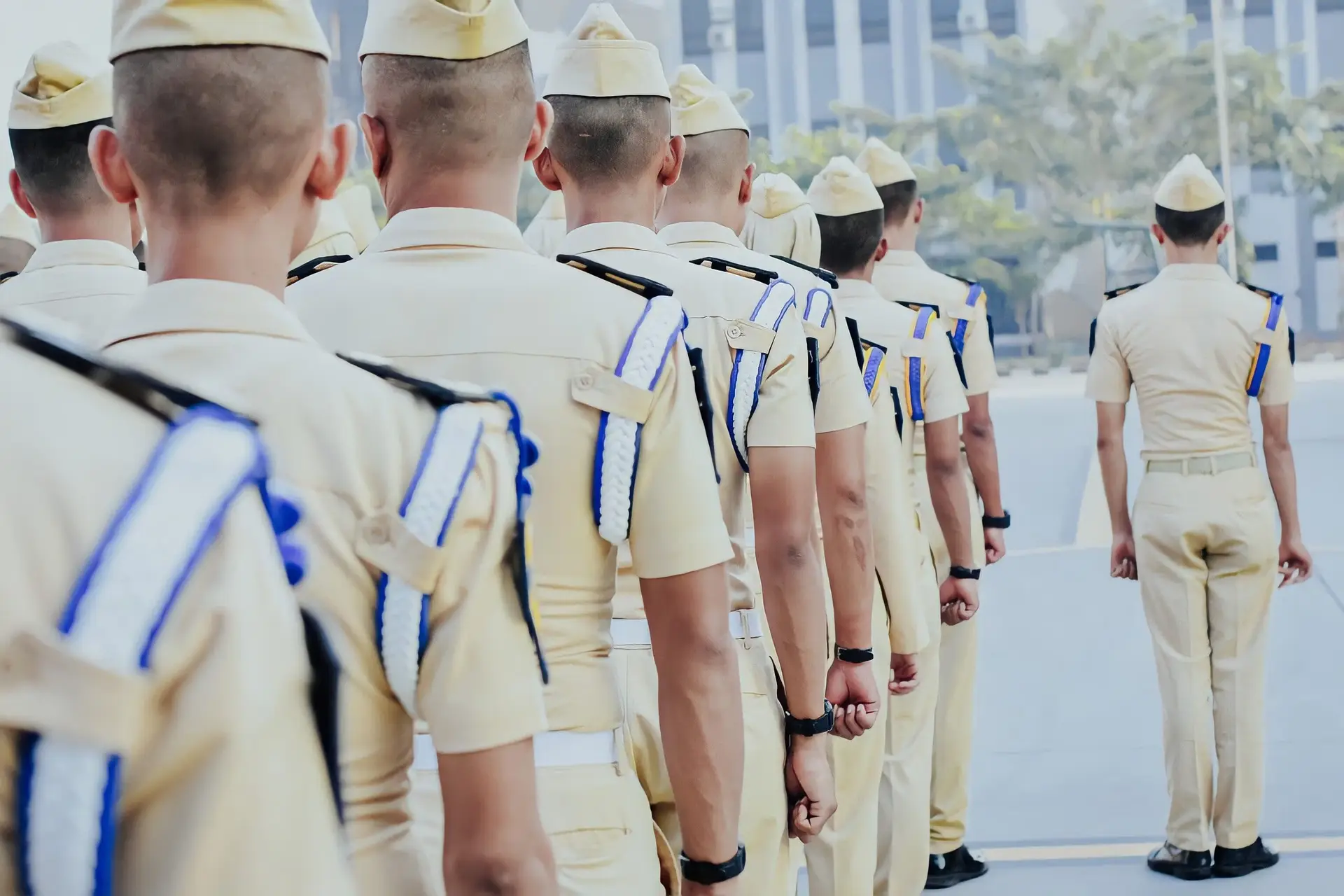
When war forces reality upon statecraft, years of strategic planning can evaporate in a single afternoon. At the Global Security Forum in Doha, Brigadier General Khalid Mohammed Al-Nuaimi offered a rare glimpse into how quickly modern defense concepts crumble under pressure. Qatar’s head of intelligence revealed that the Gulf nation had to overhaul and redeploy its entire defense architecture in a mere six hours to counter threats during the war with Iran.
The rapid six-hour realignment was not an isolated impulse, but the climax of eight months spent hastily adapting military forces, assets, and doctrines that were originally constructed for a radically different security environment. Faced with sudden drone threats, Qatari command structures found themselves caught off guard. Survival required immediate improvisation, shifting physical assets and military concepts on short notice out of sheer necessity.
While Doha was busy repointing its hardware, diplomatic rhetoric in the Gulf underwent its own recalibration. Qatari Foreign Ministry spokesperson Dr. Majed al-Ansari noted that Qatar-mediated negotiations between Washington and Tehran remain active, suggesting that silence from the negotiating table indicates steady operational engagement.
Equally telling was the tone adopted by American officials at the same forum. Tom Barrack, the US ambassador to Turkey and Special Presidential Envoy for Syria and Iraq, outlined a posture centered on regional realignment rather than hegemony. Admitting that the confrontation with Iran carried unintended consequences, Barrack signaled that Washington is seeking a peace deal grounded in a maritime ceasefire and economic easing for the Iranian populace.
Barrack openly questioned the efficacy of historical interventionism, pointing out that Washington had pursued regime change twenty-three times across the Middle East, with intervention consistently proving to be a mistake. Describing President Donald Trump as focused on avoiding endless conflicts, the envoy emphasized that the primary hurdle remains a deep-seated structural lack of trust between the Islamic Revolutionary Guard Corps and the United States. Rather than attempting to control the region or abandoning it entirely, the stated American strategy now relies on presence, patience, and direct dialogue.
This pragmatic turn reflects broader regional realities that military force has failed to alter. Addressing the ongoing conflict in Yemen, former MI6 chief Sir John Sawers remarked that the Houthis are permanent figures on the political landscape, destined to retain control over significant portions of Yemeni territory. A decade of efforts by Saudi Arabia to establish an alternative governing authority has yielded minimal results, exposing the limits of military intervention. As Doha continues to back Riyadh’s sovereign defense while mediating talks with Tehran, the broader takeaway from the forum is clear: operational adaptability and sober diplomacy are rapidly replacing expansive strategic illusions.
Written by Freya Stensrud freya.stensrud@alpineweekly.com