Oct 20, 6:01 PM
Armed Against Economic Reality: Paris Mobilizes the Army for Domestic Unrest
When cost-of-living protests turn violent, the French state turns to military force rather than fiscal answers.
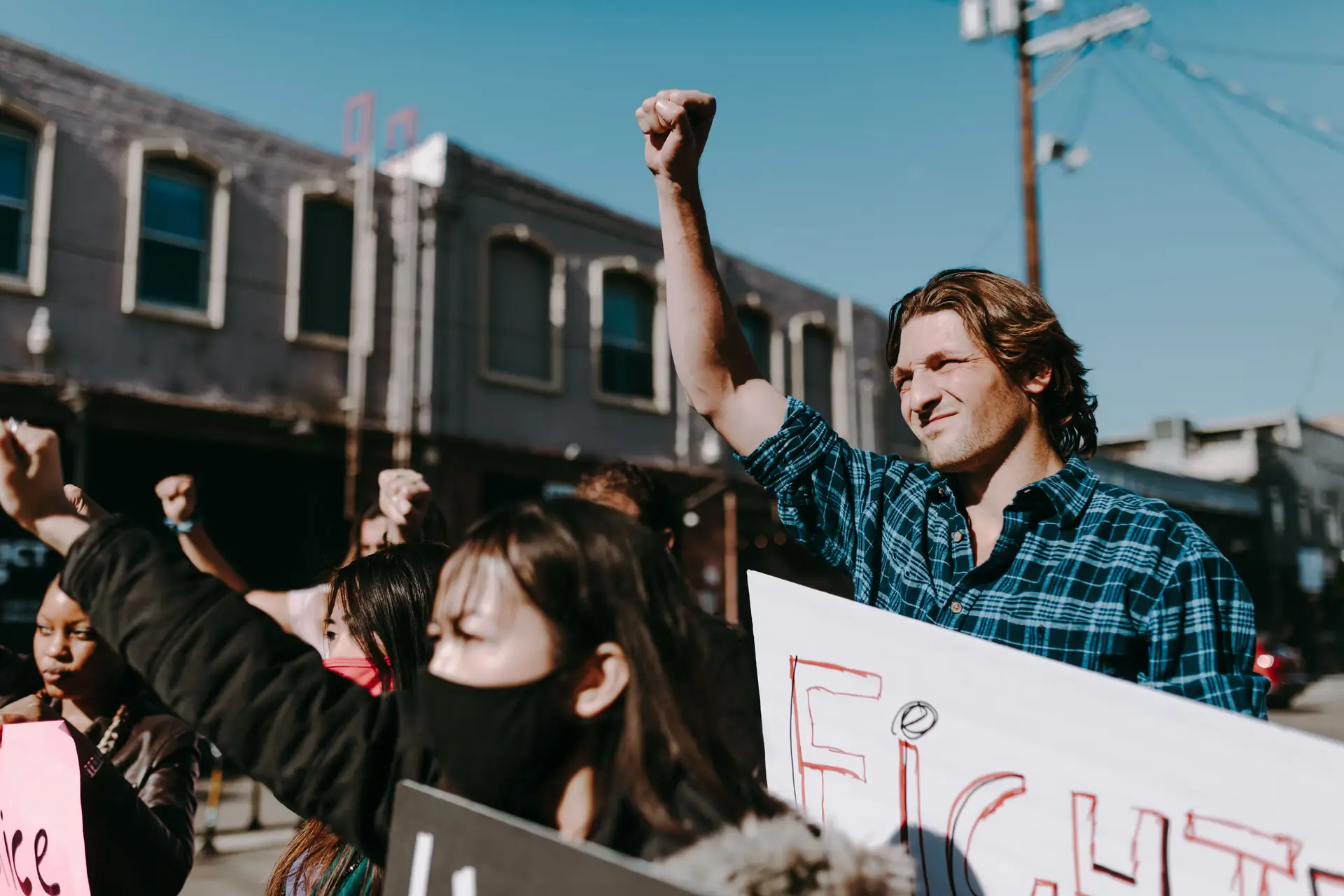
When a state finds itself struggling to address fundamental economic hardship, the deployment of uniformed soldiers to domestic street corners is rarely far behind. French Prime Minister Sébastien Lecornu announced a massive security operation ahead of anticipated protests this weekend, following a wave of cost-of-living demonstrations that descended into violence across France. It reflects a persistent pattern in French public administration: economic frustration spills onto the streets, and the state responds with the heavy hand of law enforcement.
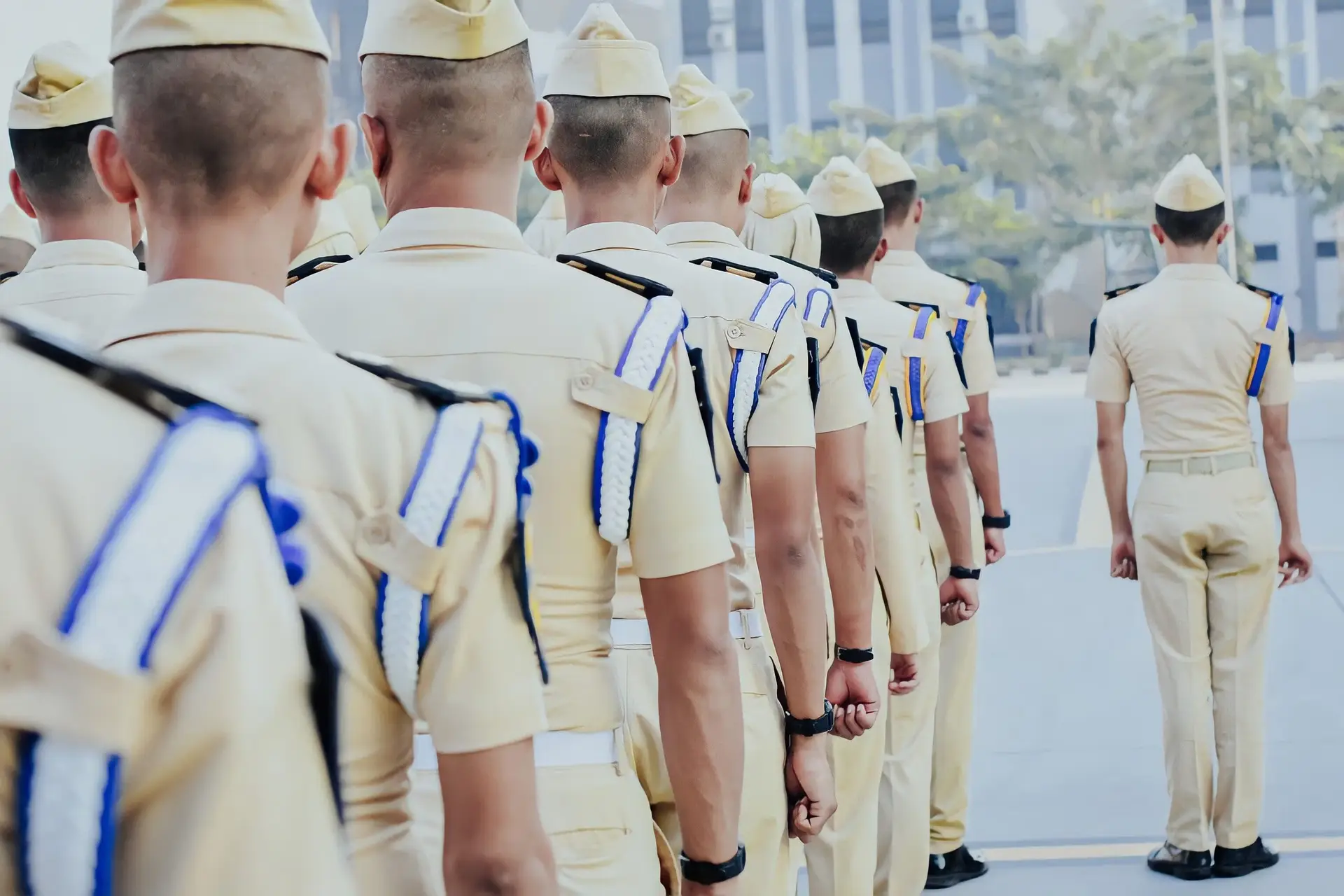
To maintain order, Interior Minister Laurent Nuñez revealed to parliament that troops from Operation Sentinelle will be drafted to support civil police and gendarmes. Established in January 2015 to counter terrorist threats, the 10,000-strong military force is typically stationed outside sensitive sites such as schools, places of worship, tourist attractions, railway stations, and airports. Having previously provided security during the Paris 2024 Olympic and Paralympic Games, these soldiers will now take over static guarding duties. The explicit strategy is to liberate frontline police officers from fixed positions, enabling them to counter scattered and highly mobile groups of demonstrators with greater agility.
Alongside military reassignments, the Ministry of the Interior is adopting a preemptive approach to public gatherings. Nuñez indicated that he is considering outright bans on undeclared demonstrations that pose a threat to public order. Even declared rallies will face strict scrutiny; if organizers fail to guarantee that an event will proceed peacefully, authorities reserve the right to intervene. For marches permitted to proceed, official policy will forcibly redirect routes away from high streets and government buildings.
Underpinning this show of force is an expanded intelligence effort aimed at tracking radical elements and assessing participant numbers. Rather than addressing the underlying economic grievances driving citizens to demonstrate, the state administrative machinery is focusing its energy on tactical containment and crowd control. Nuñez signaled total resolve, promising We will be there.
Deploying military units to indirectly handle domestic civil unrest highlights a system relying on maximum mobilization to manage popular discontent. When counter-terrorism units become a routine operational buffer during economic protests, it raises fundamental questions about whether tactical force can ever truly substitute for structural stability.
Written by Thorben Thiede thorben.thiede@alpineweekly.com