Oct 21, 2:01 PM
Belgrade's Eternal Limbo and the Student Challenge
Aleksandar Vučić switches chairs as an amateur student movement threatens Serbia's entrenched regime
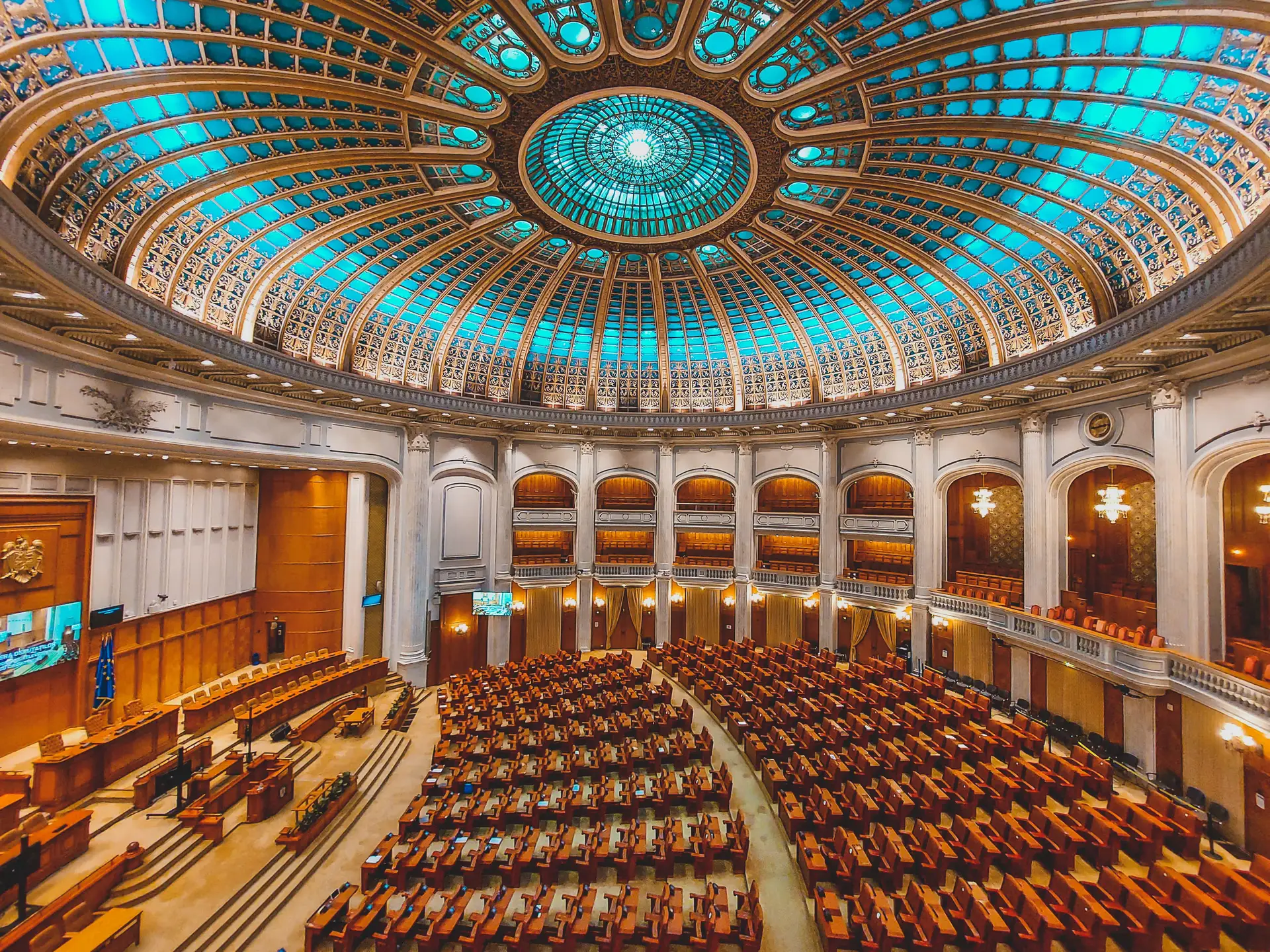
Aleksandar Vučić’s recent decision to resign from the presidency five months early was not a sudden burst of democratic humility. It was a tactical maneuver designed to secure his reign from the prime minister's office. For twelve years, Belgrade’s political master strategist has maintained power through a mix of domestic patronage and a foreign policy that attempts to court everyone while deciding on nothing. Serbia remains trapped in a political limbo, balancing between East and West while its underlying economic reality remains far less grand than its leadership claims.
The illusion of stability began to fray dramatically following the November 2024 disaster in Novi Sad, where a concrete canopy collapsed at the central railway station, killing 16 people. The tragedy exposed the lethal consequences of neglected public infrastructure and unchecked systemic corruption. While high-end car showrooms spring up in Belgrade suburbs like Krnjača, basic road links remain neglected, public transit relies on half-century-old trams, and local sewage systems routinely fail. The disaster catalyzed two years of relentless street demonstrations, exposing the weakness of a political system where economic growth benefits the connected few while essential state services decay.
Now, that discontent has coalesced into an unprecedented challenge. A student-led movement known as the Student List has fielded a slate of 250 candidates for the upcoming snap parliamentary elections. Composed primarily of academics, professionals, and farmers selected through open student plenums, the group represents an unconventional political force operating in a country where the ruling Serbian Progressive Party treats the state apparatus as its private property.
Defeating the ruling party requires dismantling an entrenched media monopoly. Independent monitoring by the Centre for Research, Transparency and Accountability revealed that 69 percent of television coverage in September was devoted entirely to the ruling majority, with the remaining fraction largely spent attacking opposition figures. Facing a near-total media blackout, student volunteers have resorted to an intensive door-to-door campaign, mapping support in suburban housing blocks and rural villages to bypass the state communications machine.
The government’s response relies on its familiar playbook of snap elections, aggressive media dominance, and heavy-handed intimidation. Reports have surfaced of covertly funded enforcers deployed to disrupt student gatherings, while opposition groups point to manipulated diaspora voting lists in nearby territories like the Serbian portion of Bosnia.
Whether this amateur political experiment can dismantle a fourteen-year monolith remains uncertain. Serbia’s ruling elite has long relied on domestic political theater to obscure a sluggish economy and a lack of clear strategic direction. If the Student List manages to mobilize voters who previously ignored the ballot box, Belgrade’s long-standing equilibrium may finally break. If not, the country will remain stuck in its comfortable, corrupt status quo.
Written by Martina Kirchner martina.kirchner@alpineweekly.com