Oct 21, 4:02 PM
A Ledger of Administrative Incompetence in Dublin
Decades after the IRA murdered a chief prison officer, the Irish state offers regret for missing evidence and 194 police errors.
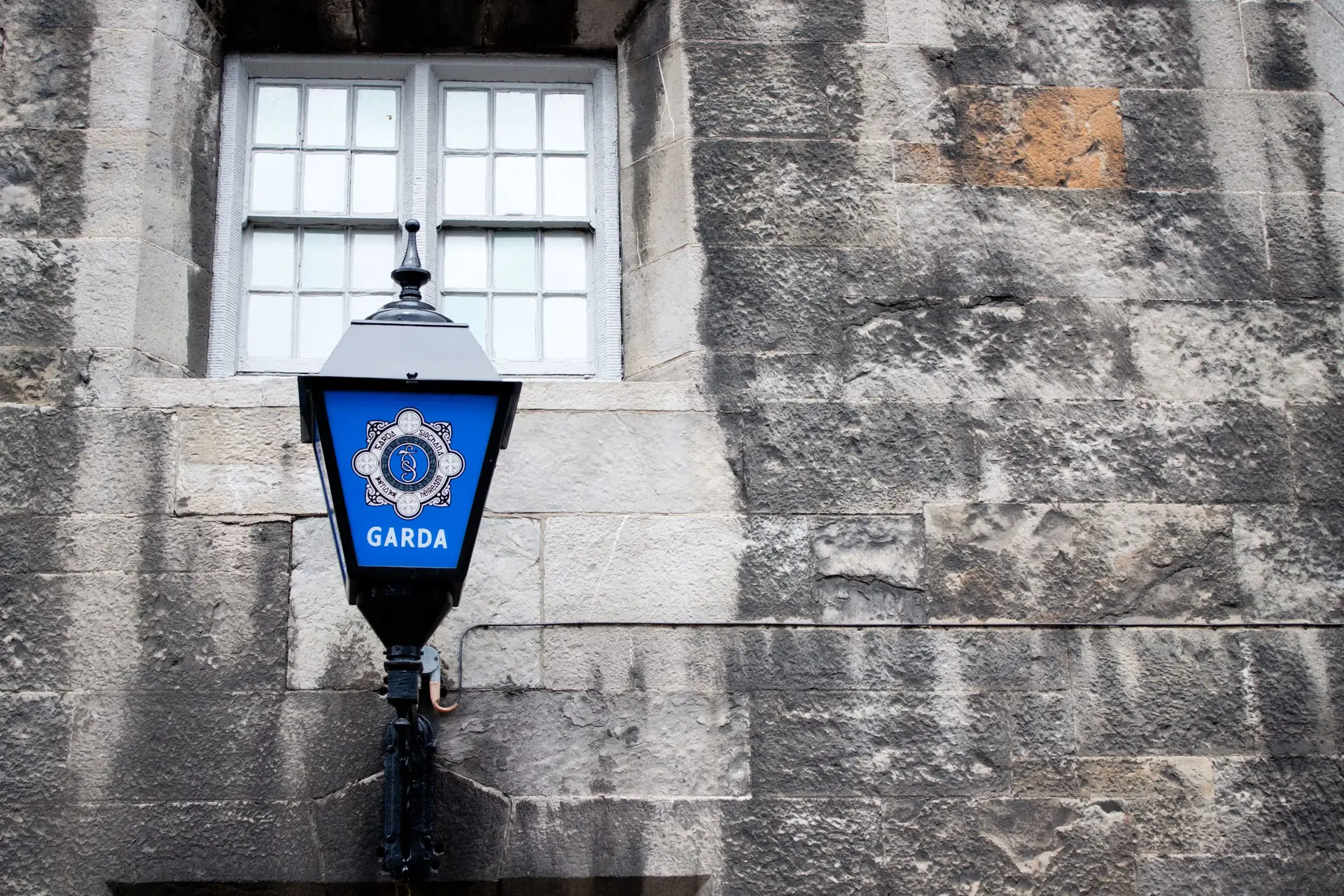
State apologies have become a familiar political ritual, offering a polished veneer of institutional remorse decades after the damage has been done. On Wednesday, Dublin performed its expected turn. In the Dáil, Taoiseach Micheál Martin formally apologised to the family of Brian Stack, who was shot in the back of the neck in 1983 while leaving a Dublin boxing match and died 18 months later at age 49. Stack, who served as chief prison officer at the high-security Portlaoise Prison, remains the only prison officer in the state killed in connection with the Troubles.
While the apology brought formal recognition to Stack’s widow Sheila and their sons Austin, Kieran, and Oliver, who observed the proceedings from the chamber, the underlying facts reveal a staggering breakdown in police work. Three separate investigations by An Garda Síochána failed to bring anyone to justice. It was only after a 2007 review by the Garda Serious Crime Review Team—which yielded over 200 recommendations—that the scale of the failure became clear, uncovering 194 distinct errors and omissions.
The catalogue of investigative failures reads less like routine oversight and more like systematic negligence. Key physical evidence vanished from police custody. Investigators failed to maintain a crime scene map, lost a motorbike helmet found near the scene that was linked to the crime, and misplaced material exhibits containing fingerprints, forensic samples, and debris.
Potentially critical leads were never documented, including whether Stack’s colleagues at Portlaoise Prison or the inmates under his supervision were ever interviewed. Neither his family nor his wider group of friends were questioned during the initial investigation. For years, when the family requested sight of the review, successive justice ministers refused, claiming it was an internal document.
The political dimension of the murder is equally stark. The Provisional IRA acknowledged responsibility in 2013 following a long campaign by the family, which included meetings with Gerry Adams and a former republican commander. The organization claimed the shooting had not been authorised by its leadership and expressed sorrow for the hurt caused. Yet as Martin stated in parliament, the Provisional IRA remains in full possession of the facts regarding who pulled the trigger. Foreign Affairs Minister Helen McEntee affirmed that Stack was targeted by the group and that they bear responsibility, while Sinn Féin TD Pearse Doherty remarked that police failures had compounded the family's suffering.
Even British Secretary of State for Northern Ireland Sir Chris Bryant welcomed the apology during proceedings in the House of Commons, noting that Dublin's gesture was proper amid ongoing debates regarding legacy issues. Yet for all the official regret expressed in parliament, legal accountability remains missing. Although police received the case file back from the Director of Public Prosecutions in 2023 for further investigation, four decades of lost evidence offer little realistic prospect of a conviction. A state apology provides official closure on paper, but it cannot reconstruct missing fingerprints or reverse forty years of institutional failure.
Written by Thomas Nussbaumer thomas.nussbaumer@alpineweekly.com