Jul 23, 8:02 AM
When the Suburbs Become the Safe Bet, the Bills Follow
A Barcelona study shows how rising heat is turning cooler neighbourhoods into the next battleground for housing prices.
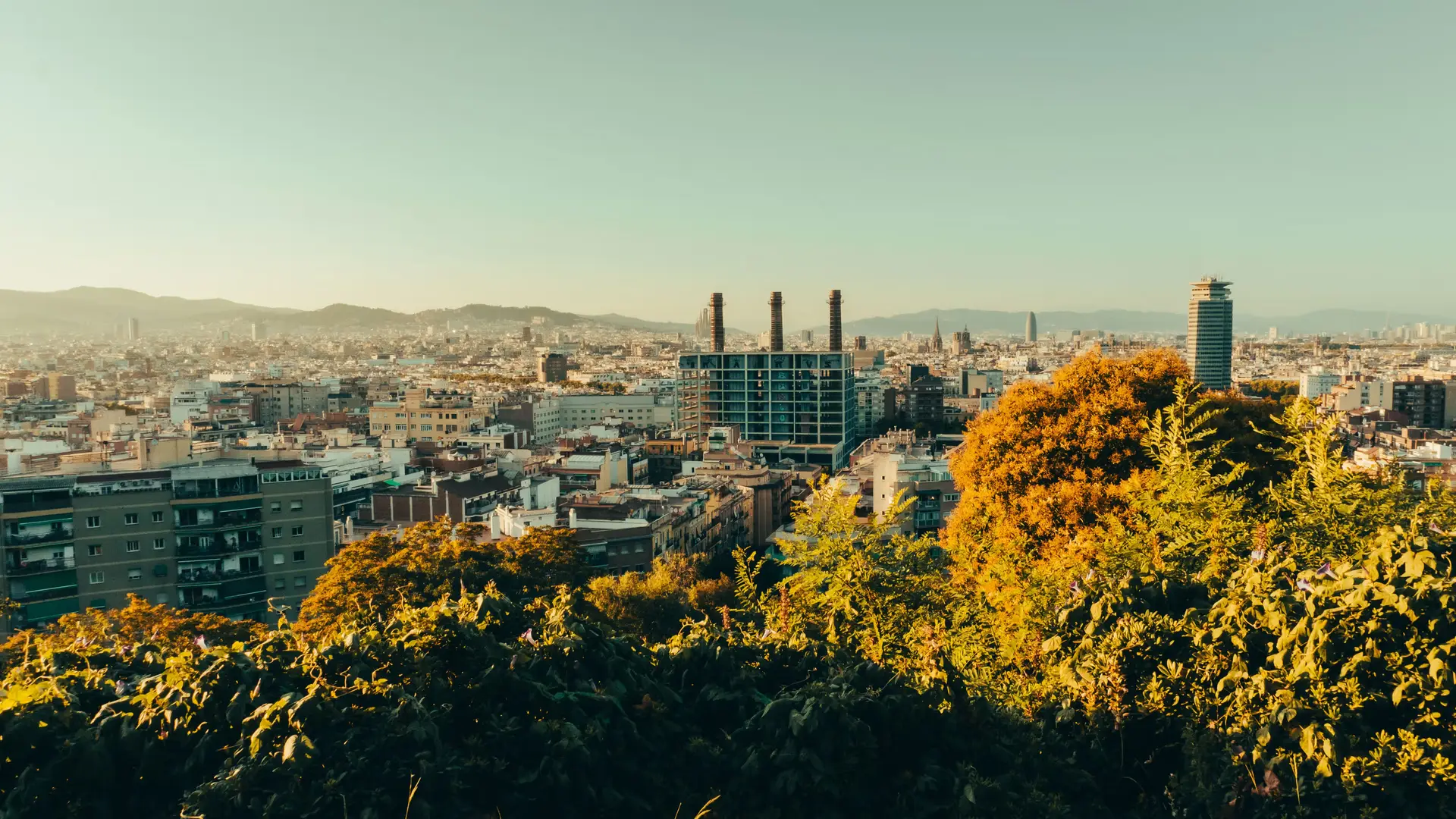
For years, the logic of urban housing was depressingly familiar: central districts got pricier because they were close to transport, shops and restaurants, while the suburbs were left to those who could not afford the privilege of a shorter commute. Climate change is now disturbing that neat arrangement. In Barcelona, researchers say the places that stay cooler, greener and less crowded could become the next magnets for wealthier buyers simply because they offer relief from the heat.
The study comes from the Barcelona Lab for Urban Environmental Justice and Sustainability at the Universitat Autònoma de Barcelona and ICTA-UAB, under the ClimateJusticeReady project. Published in the Journal of City Climate Policy and Economy, it draws on an open access platform to build a climate gentrification vulnerability index. The researchers looked at heat exposure, access to green spaces, social vulnerability, building age and public facilities across all 36 metropolitan municipalities. Bureaucrats everywhere should admire the ambition; residents facing higher rents may be less impressed.
What they found runs against the old map of gentrification. The most vulnerable areas are not the usual central hotspots, already expensive and already dense, but parts of the urban periphery. These neighbourhoods have tended to be greener, less polluted, cooler and, until now, more affordable. They also often have better quality buildings. That combination has spared them from the commercial and tourism-driven pressure seen in the centre. It may now make them desirable for a different reason: thermal comfort.
Amalia Calderón Argelich, who co-led the project, says longer and more intense heatwaves are changing the way people judge a home. Areas that were never part of the gentrification conversation could suddenly look attractive because they are better suited to a hotter city. Once that happens, the market does what it always does. It follows comfort, then inflates it, then calls the result progress.
The social consequences are not hard to sketch. If wealthier residents move into safer neighbourhoods, locals can be priced out not only of city centres but also of the suburbs that once offered a more affordable alternative. Climate adaptation can sharpen that pressure. New green spaces or restored waterways may improve conditions, yet they can also raise housing costs and push out vulnerable residents. The researchers warn that without policies to anticipate the shift, the same inequalities seen in central districts will simply be reproduced elsewhere.
That warning is not abstract. This summer, successive heatwaves hit European cities, including Barcelona, with record-breaking temperatures. The EU’s Copernicus Climate Change Service has said extreme heat is no longer a one-off event but a longer feature of European summers. Rising temperatures are also driving heavier rainfall, while human-caused climate change is pushing sea levels higher and making coastal flooding more common.
The Barcelona project identifies Badia del Vallès, Sant Adrià del Besòs, Castelldefels, Valldoreix, and parts of Sant Boi de Llobregat and Torrelles de Llobregat as especially exposed. It is one of the first systematic looks at climate gentrification in the European Mediterranean. If the trend keeps advancing, as the researchers expect, the next housing divide may not be between the centre and the edge, but between the places that can still be lived in and the places that can no longer be ignored.
Written by Thorben Thiede thorben.thiede@alpineweekly.com