
Oct 20, 6:01 PM
The End of Cheap Flight: Energy Shocks and State Taxes Threaten European Aviation
European airlines face an unhedged fuel crisis for 2027, compounded by short-sighted government tax hikes.
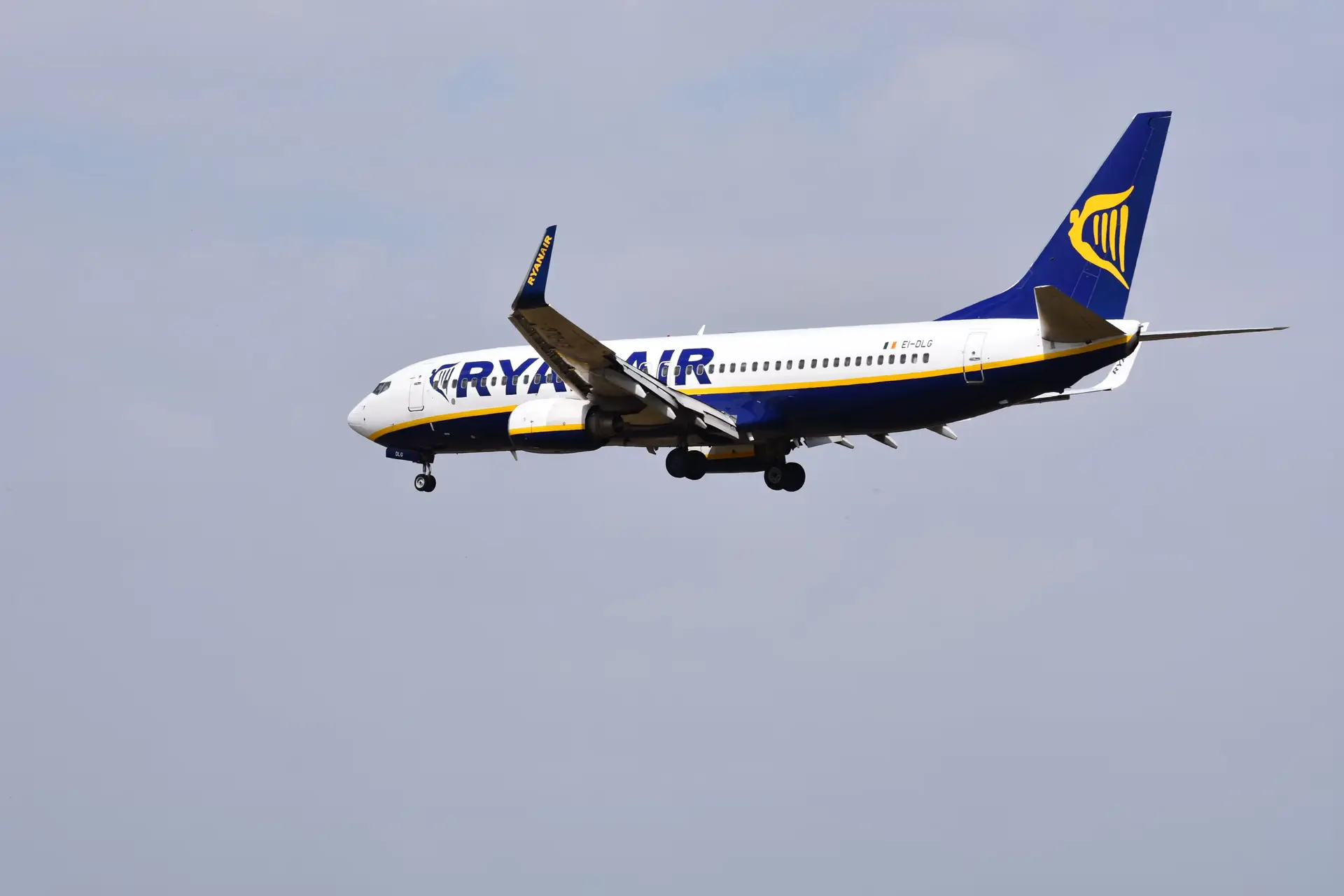
For years, European travelers enjoyed the low-cost aviation revolution as if it were a permanent entitlement. That illusion is about to be shattered. Flying across the continent is set to become markedly more expensive, with Ryanair Chief Executive Michael O’Leary predicting ticket price surges between 10 and 20 percent over the coming year. The combination of geopolitical supply shocks and unrelenting state fiscal appetite suggests that the era of bargain mobility has run its course.
The immediate catalyst stems from energy markets. The war involving Iran has choked off fuel supplies, driving jet fuel prices to historic highs. According to industry projections from IATA, jet fuel costs across 2026 are expected to average $152 a barrel—a punishing 70 percent jump from the $90 average recorded in 2025. Because fuel represents a massive share of operating expenses, such a sudden shift destroys profit margins and forces airlines to make drastic choices.
What renders the 2027 outlook particularly acute is the expiration of corporate hedging strategies. While many carriers managed to insulate themselves during 2026—Ryanair, for instance, hedged 80 percent of its fuel needs at $67 a barrel prior to the outbreak of hostilities in late February—that safety net vanishes from April 2027 onward. Ryanair remains 85 percent unhedged for the following year, with its minimal coverage locked in at $85 a barrel while spot rates hover near double that figure. Most European competitors find themselves in a similarly exposed position. EasyJet has already felt the burn, logging a £105 million annual surge in fuel bills and cutting 700,000 winter seats in response.
Yet, instead of easing the burden on a vital sector, local authorities seem eager to worsen it. In Belgium, a textbook display of bureaucratic over-reach has unfolded. Federal officials in Brussels decided to hike the country's aviation tax from €2 to €7 per passenger starting in January. O’Leary responded in predictable market fashion during his visit to the Belgian capital, announcing the cancellation of 20 routes and the removal of over one million seats from Belgium's winter schedule. When governments treat commerce as a bottomless cash register, capacity simply moves elsewhere.
Market discipline will inevitably separate the resilient from the fragile. Industry executives warn that weaker carriers will struggle to survive this fuel shock, making bankruptcies and market consolidation highly likely. Passengers may currently indicate a willingness to absorb higher costs, but consumer budgets have hard limits. When state over-taxation collides with energy realities, the market eventually enforces its own discipline.
Written by Andreas Hofer andreas.hofer@alpineweekly.com