Oct 27, 3:01 PM
Swiss Scales Back Outsourcing and Shows Air Baltic the Door
The Lufthansa subsidiary is trimming its leased fleet and turning back to domestic partner Helvetic Airways as operational troubles ease.
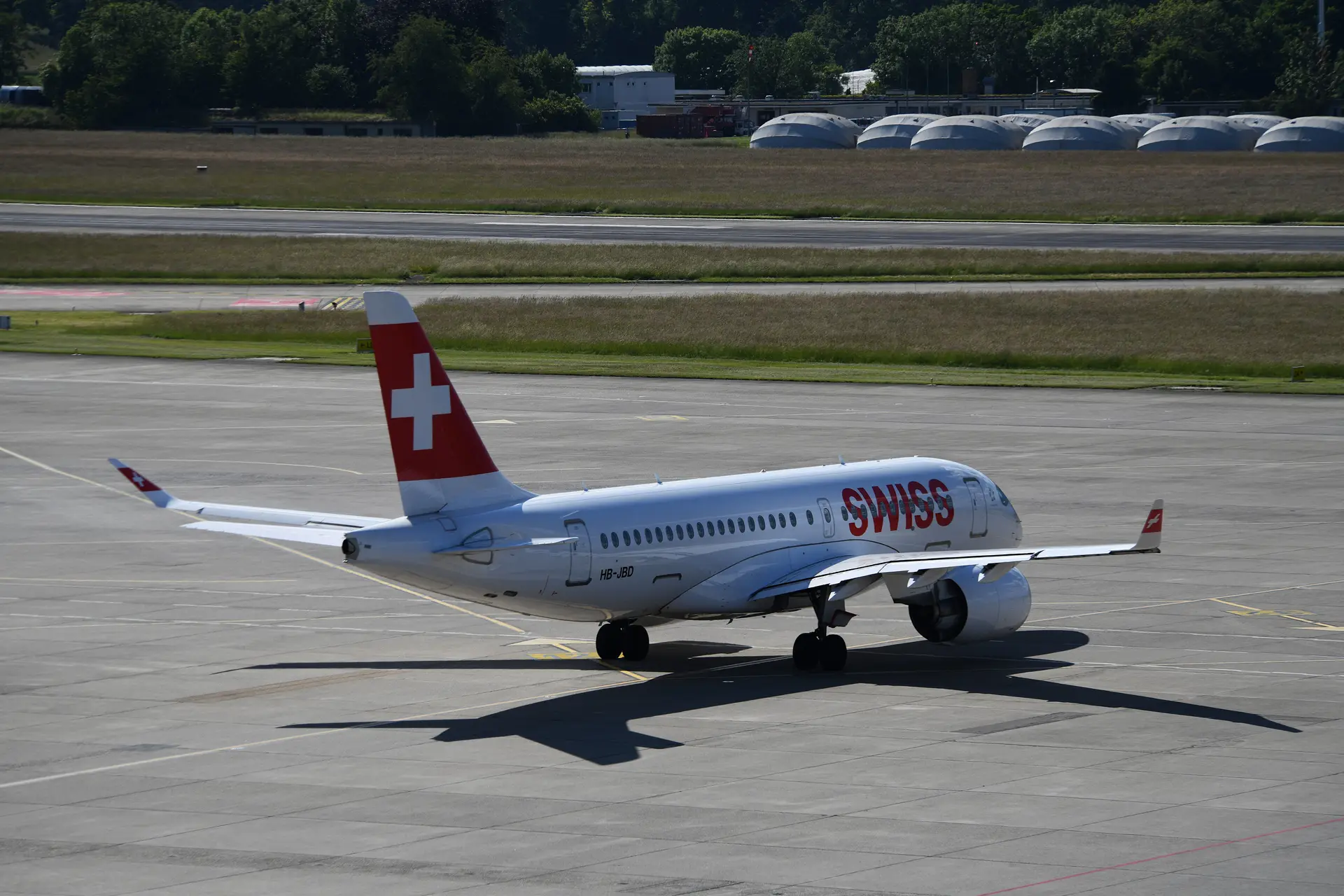
For years, Swiss International Air Lines papered over its operational shortcomings by renting planes and crews from abroad, turning its timetable into a patchwork of foreign contractors. Now, the Lufthansa subsidiary is quietly signaling a return to domestic self-reliance. By the end of the 2026/27 winter flight schedule, the airline will terminate its wet-lease arrangement with Latvia’s Air Baltic, cutting its outsourced fleet from 26 to roughly 18 aircraft.
The decision comes as Swiss brings more of its own Airbus A320 fleet back into active service. The heavy reliance on external capacity was never a grand strategic vision, but rather a fire-fighting measure. Shortages of Pratt & Whitney engines, prolonged crew training backlogs, and persistent staffing gaps in the cockpit had left the carrier unable to service its own schedule. With engine availability finally stabilizing and new pilot cohorts entering service, management has decided it can once again handle its core business without leaning so heavily on foreign subcontractors.
Dropping Air Baltic marks a clear shift. For the Latvian airline—operating out of an economically fragile Baltic state that relies heavily on foreign contracts to sustain its aviation ambitions—the loss of the Swiss contract is a harsh wake-up call regarding market realities. Swiss, operating from its comfortable vantage point in a wealthy domestic market, is redirecting what remains of its external requirements to Helvetic Airways, a local Swiss provider. Chief Executive Jens Fehlinger framed the retreat from foreign ACMI providers as a return to operational independence, stating that the goal is to carry out more flights using our own resources again.
It represents a quintessentially Swiss resolution: relying on local partner Helvetic for residual flexibility while retreating from deeper international outsourcing. Renting operational capacity from low-cost eastern European operators may have temporarily plugged the holes left by supply chain delays, but it was never a sustainable look for a flag carrier trading on national precision. Whether Swiss can actually maintain its restored autonomy once the next supply disruption hits is a question management would prefer to postpone.
Written by Thorben Thiede thorben.thiede@alpineweekly.com