
Oct 21, 2:01 PM
Germany's Great Grid Rationing
Having promised guaranteed power connections to industry, Berlin settles for managing the shortages it created.
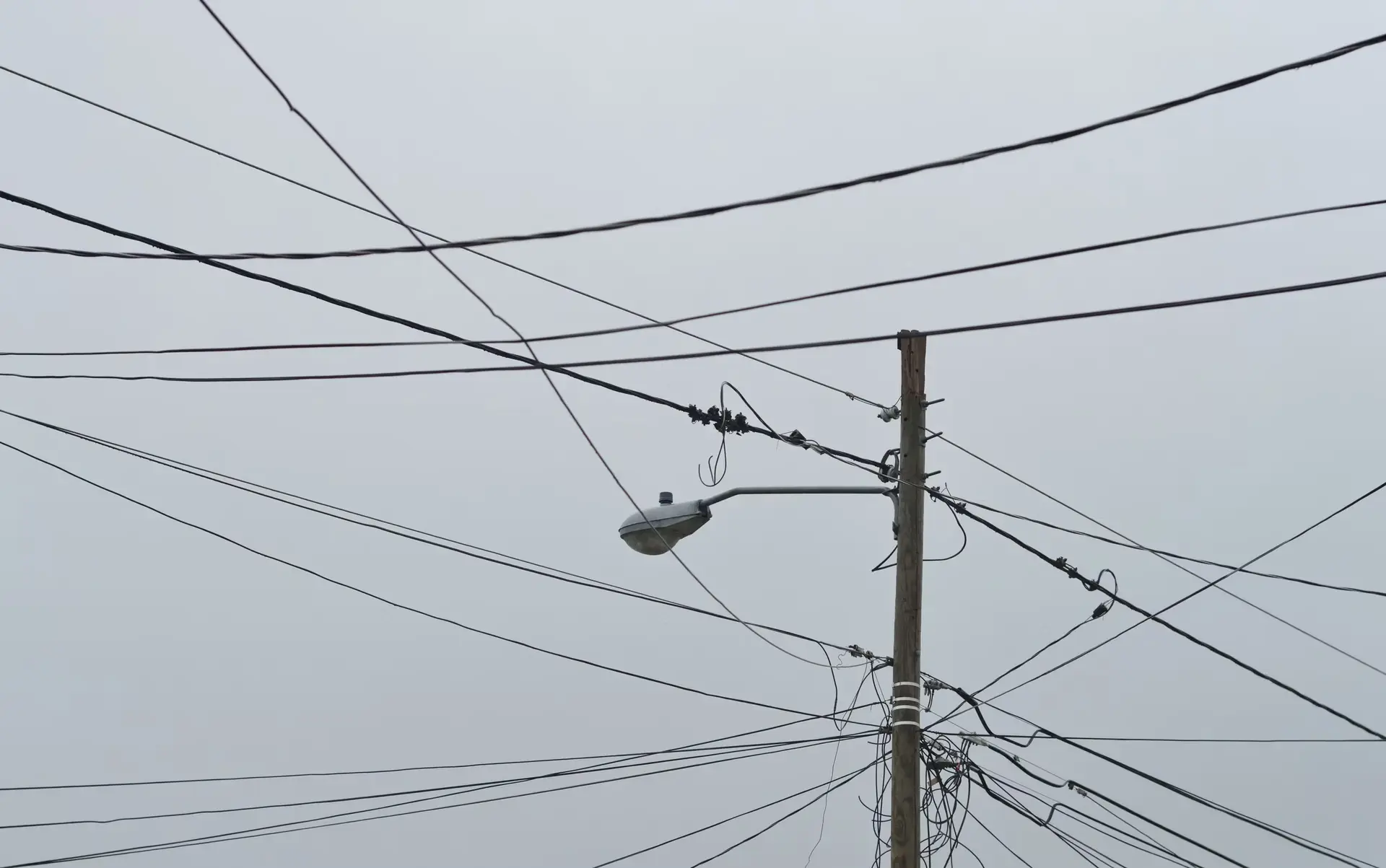
When political decrees attempt to overrule physics, reality has a habit of taking its revenge. Germany's grand experiment in state-directed energy transition has reached its inevitable chapter: administrative rationing. Having promised industrial enterprises a binding guarantee for power grid connections complete with fixed deadlines just last July, the coalition government has quietly dropped the pledge from its latest legislative draft.
Industry groups, including a regional alliance writing to Gitta Connemann, the federal government's commissioner for small and medium-sized enterprises, warn that without timely grid access, investments are being postponed, scaled back, or abandoned altogether. Capital, predictably, flows where infrastructure actually functions.
The backlogs illustrate the scale of the failure. A study by the consultancy AFRY estimated that around 40,000 projects requiring more than one megawatt were stuck waiting for distribution grid connections. The Federal Network Agency reported that in 2025 alone, battery storage connection requests surged past 573 gigawatts across more than 18,000 applications, yet only a small fraction received approval. Meanwhile, transmission system operators were sitting on 717 connection requests totaling roughly 270 gigawatts by late 2025.
Rather than letting market mechanisms resolve these bottlenecks through scarcity pricing, tradable connection rights, or mandatory financial deposits to weed out speculative requests, Berlin prefers state allocation. Cities like Hamburg have already replaced the traditional first-come, first-served system with administrative rationing, carving up available capacities among competing applicants.
This is central planning in its purest form: creating artificial shortages through over-regulation and the politically motivated phase-out of reliable baseload generation such as nuclear energy, then deploying new administrative layers to manage the scarcity. The government demands the swift electrification of industry, data centers, and transport, yet fails to provide the basic physical lines to deliver the current. German manufacturing is left bearing heavy system costs for a grid that cannot even promise to connect a new assembly line.
Written by Thorben Thiede thorben.thiede@alpineweekly.com