Oct 21, 2:01 PM
Business as Usual in the Crossfire of the Hormuz Strait
As crude prices surge and military strikes escalate, ordinary Iranians along the Persian Gulf endure the economic fallout.
When crude oil prices breach $100 a barrel following a cluster of missile and drone strikes in the Strait of Hormuz, global commodity markets react with predictable volatility. Strategic planners in Washington weigh political risks ahead of upcoming domestic elections, while Iranian military forces engage in targeted disruptions along one of the world's most sensitive maritime bottlenecks. Yet beneath the macroeconomic panic lies a far more stubborn reality: the local populations along the Persian Gulf who have little choice but to adapt to the crossfire.
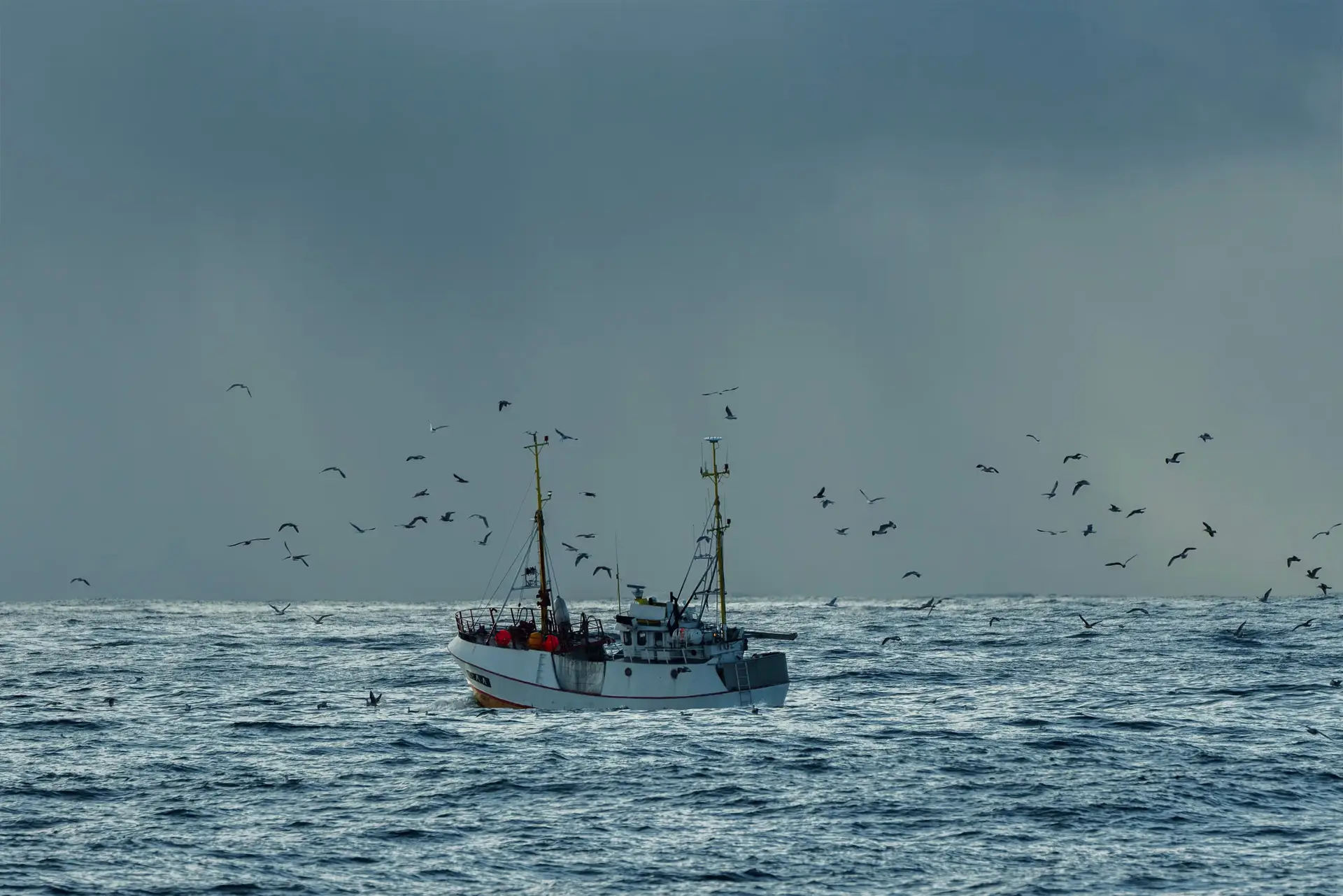
The strategic importance of the waterway is obvious. A single week of intensified attacks in October targeted at least twelve tankers carrying crude, liquefied natural gas, and liquefied petroleum gas. According to Iranian official sources, roughly 760 commercial and fishing vessels have sustained damage around the southern port of Bandar Abbas since open hostilities commenced in late February. For international shipping lines and oil traders, these figures translate into soaring risk premiums. For local fishers and ferry captains, they mean damaged hulls, restricted operational zones, and shrinking margins.
The economic friction is most acute in coastal hubs like Bandar Abbas. Local fishing fleets can no longer venture freely into deeper waters, severely limiting catches and depressing market activity across the region. Port workers and municipal laborers describe dodging shrapnel and suspending daily routines during peaks in bombardment. Yet despite the widespread disruption, maritime transit between the mainland and offshore territories has not ground to a halt. Passenger ferries continue their scheduled runs, transporting residents across waters where naval engagements and air defense launches have become routine background noise.
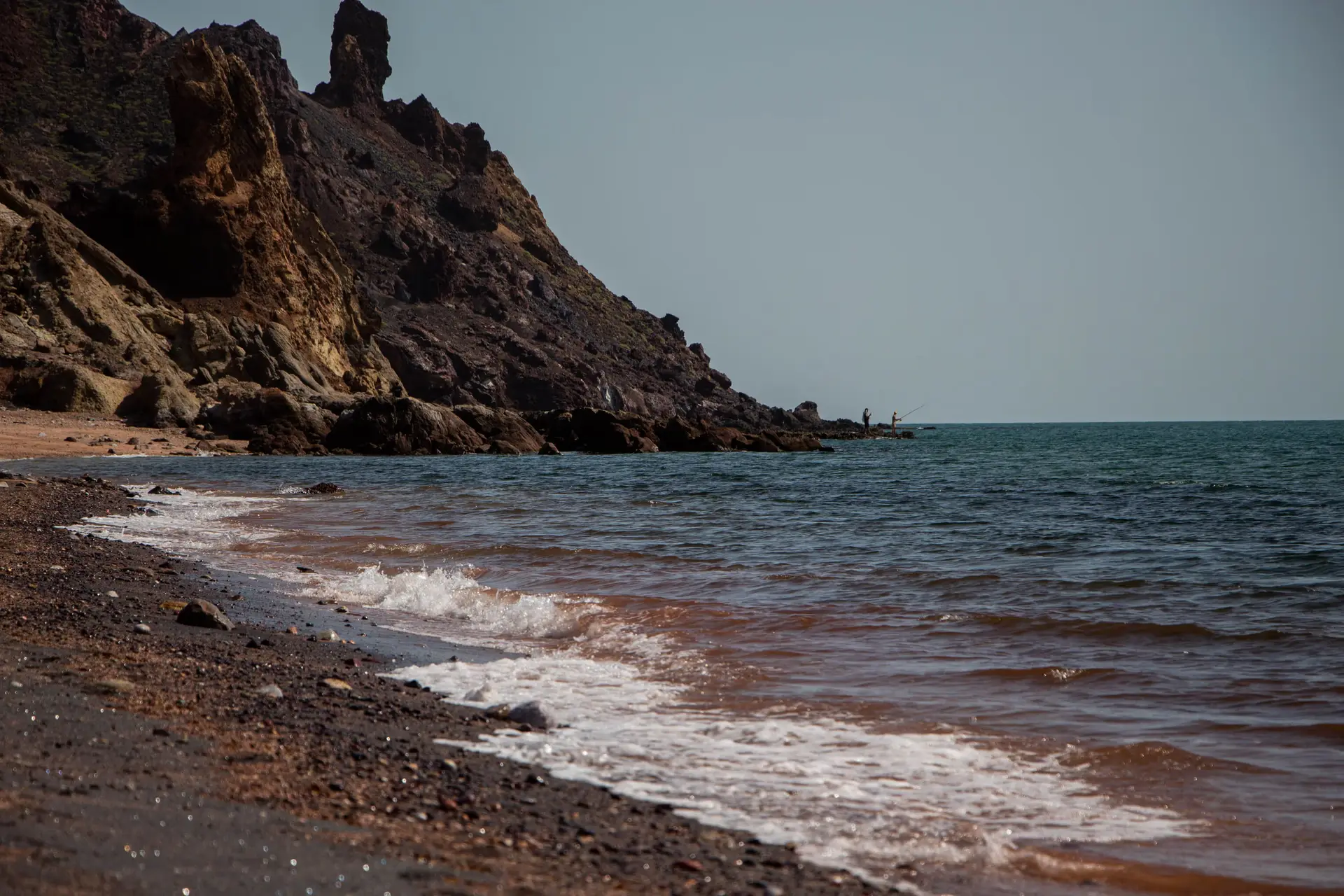
Further out in the strait, Hormuz Island presents a stark study in economic dislocation. Long regarded as an idyllic retreat for artists and domestic tourists seeking a freer lifestyle, the island’s service economy has effectively collapsed. Guesthouses, cafes, and restaurants remain closed, while northern sectors of the landmass have been cordoned off as military exclusion zones.
Despite these pressures, the island’s 8,000 residents show little interest in abandoning their property. Local business owners and residents note that while the conflict has obliterated their primary sources of income, moving elsewhere offers no economic solution. Grand geopolitical strategies may alter international trade flows and security doctrines, but at ground level, individual market actors simply absorb the risk and carry on.
Written by Sandy van Dongen sandy.vandongen@alpineweekly.com