Aug 15, 8:02 AM
A Two-Million-Euro Walk in a Dry Ditch: Austria’s Alpine Drought
The famous Bärenschützklamm gorge has reopened to tourists after extensive safety renovations, but the thundering waterfalls have vanished into thin air.
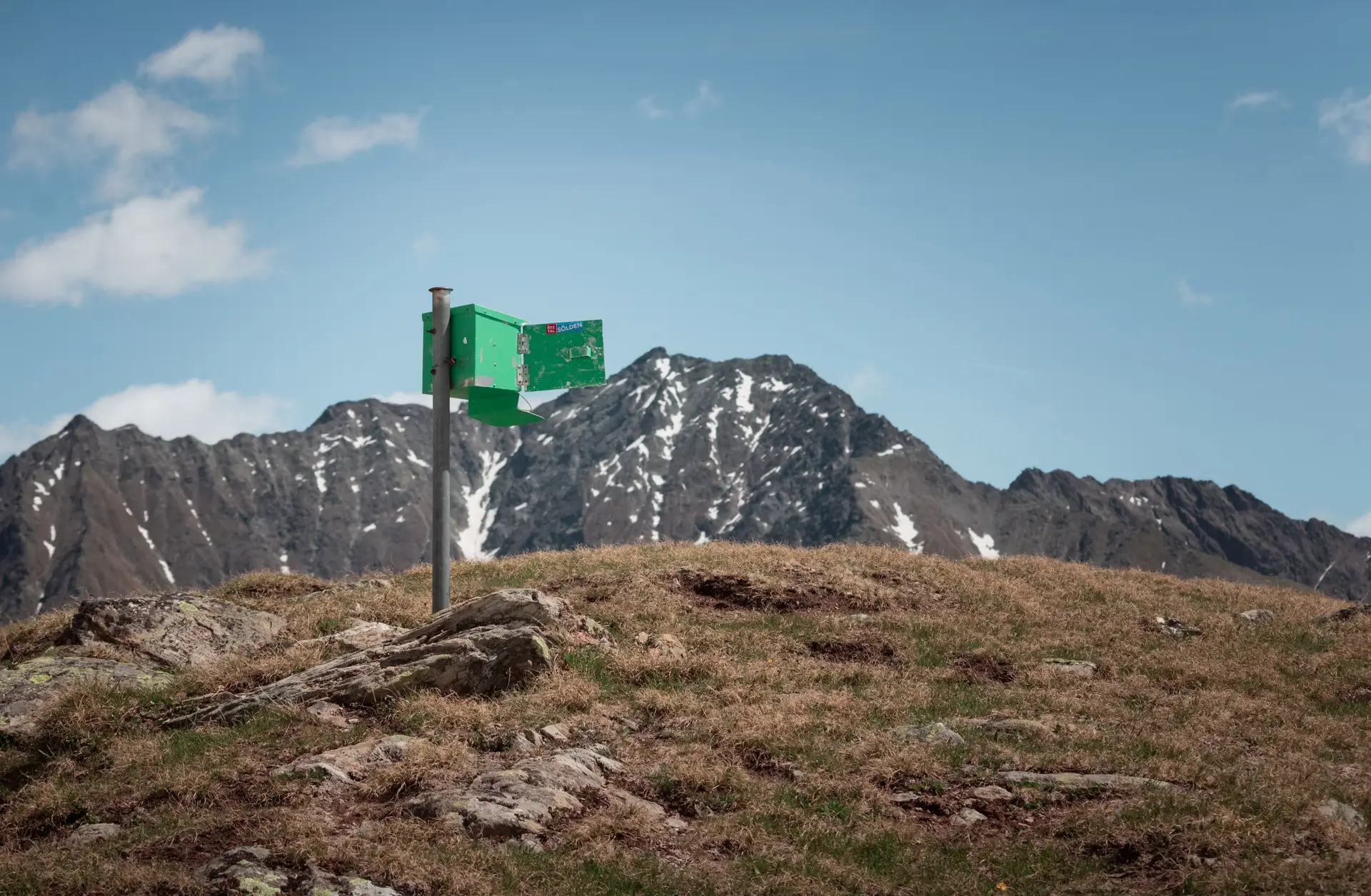
Austria has long traded on a curated image: a beautiful, friendly alpine wonderland where the air is crisp and waterfalls thunder on command. It is a profitable illusion, drawing millions to a country that often prefers to sweep its less picturesque realities—be it creeping inflation or cozy backchannel diplomacy—under a pristine rug of snow. But nature, it seems, refuses to read the tourism brochures.
The Bärenschützklamm, a celebrated natural monument since 1978, usually offers visitors the thrill of navigating fast-flowing creeks via free-floating wooden ladders. This year, the 40,000 tourists who typically flock to the site are finding a different spectacle. By late July, the gorge had completely dried up. The Mixnitz Stream, which relies on runoff from the Sommeralm and Teichalm areas, stopped flowing. Visitors are now traversing a dusty trench instead of a thundering alpine marvel.
The timing of this hydrological vanishing act is bitter. The gorge had been shuttered since a fatal accident in 2020. Getting it reopened required a €2 million investment in safety upgrades, a massive undertaking spearheaded by the Mixnitz section of the Austrian Alpine Club. Gerhard Jantscher, the section’s chairman, and Sigi Wentner, a mountain rescue warden, drove the project through voluntary effort. They raised the funds and managed the logistics, navigating the labyrinth of Austrian bureaucracy to ensure the site could welcome visitors again.
According to Jantscher, the club must consult geological experts every spring to monitor the rock faces, ensuring authorities officially approve public access. “We began planning the safety measures and the construction of the walkway system in 2021,” he noted, explaining that the local section raised the funds through their own efforts to make the gorge accessible.
Yet, all the engineering sign-offs in the republic cannot conjure rain. The Alps are enduring a brutal combination of heatwaves and a severe lack of precipitation. Data from GeoSphere Austria paints a stark picture: between January and June 2026, national precipitation was 27 percent below the long-term average. In certain regions, the landscape has not been this parched since 1885. Historically, the Austrian mountains could rely on abundant moisture, with summer thunderstorms topping up winter deficits. That reliable cycle is evidently broken.
Jantscher confirmed that the flow through the gorge ceased entirely by the end of July. He added that it would take at least a week of continuous, steady rain to restore the water levels. Until then, tourists will have to settle for the raw, albeit dry, power of the rock formations.
There is a certain irony in spending years and millions of euros to secure a natural attraction, only for the attraction itself to evaporate. The newly reinforced ladders remain an impressive feat of engineering, but they now bridge nothing but dry stone. It is a striking visual metaphor for a country that heavily focuses on maintaining an immaculate facade, even as the substance behind it quietly dries up.
Written by Thorben Thiede thorben.thiede@alpineweekly.com