Nov 2, 5:02 PM
Sociology of the Barricades
State broadcasting and academic experts prefer romanticising violent youth riots over confronting uncomfortable realities.
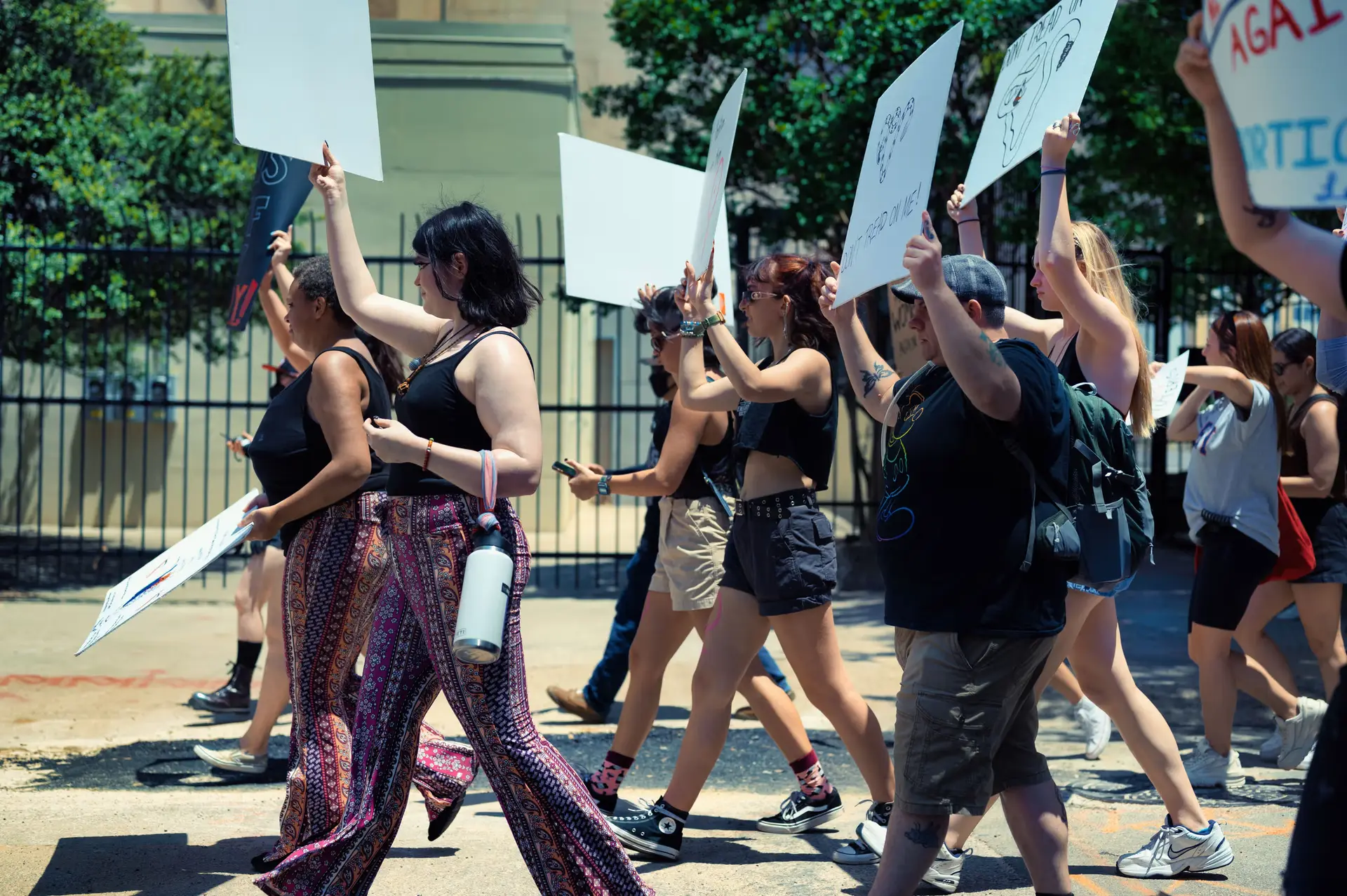
When street riots, burning barricades, and looted storefronts shake German cities, the establishment intellectual apparatus predictably reaches for its favorite cushion: structural trauma. The recent escalation under the banner of "Gen Z regelt" demonstrations has once again transformed urban districts into battlegrounds. Yet, listening to state television, one might believe the nation is merely witnessing an unfortunate sociological symposium rather than open violence against public order.
Appearing on ARD's tagesschau24, Nina Kolleck, a political science professor from the University of Potsdam, offered an explanation that carefully bypassed inconvenient realities. According to Kolleck, the unrest spreading across the country stems directly from the lingering psychological effects of the pandemic, soaring rents, and an ever-widening wealth gap. Young people, she argued, feel financially disenfranchised compared to a privileged few with wealthy parents, creating a fertile ground for anti-systemic radicalization. In this romanticized academic narrative, the rioters are essentially idealists who simply long for a better future amidst rising costs of living.
It is an explanation that travels effortlessly across borders. The protests, which originated in France before spilling into Germany, are framed as a shared European plea for social justice. What fails to enter the academic discourse on prime-time news, however, are the concrete figures from the streets. In Frankfurt alone, 100 police officers were injured in the chaos. Nor did the Potsdam academic deem it relevant to address the migration background of a large portion of the rioters—an omission that fits the broader habit of overlooking how deeply social cohesion has frayed.
Instead of demanding accountability for criminal destruction, the commentary class prefers to convert mob violence into a complaint against free-market inequality. Blaming abstract economic forces and past health restrictions provides a comfortable shield for policy failures, protecting both state institutions and lawbreakers from scrutinizing reality. When violence against officers is excused as a byproduct of rent increases, public safety yields to academic sentimentality.
Written by Thomas Nussbaumer thomas.nussbaumer@alpineweekly.com