
Nov 2, 5:02 PM
Mid-Air Threat Forces London Flight into Hungarian Military Escort
A bomb threat over the Balkans triggers a swift defense response and a forced landing in Budapest.
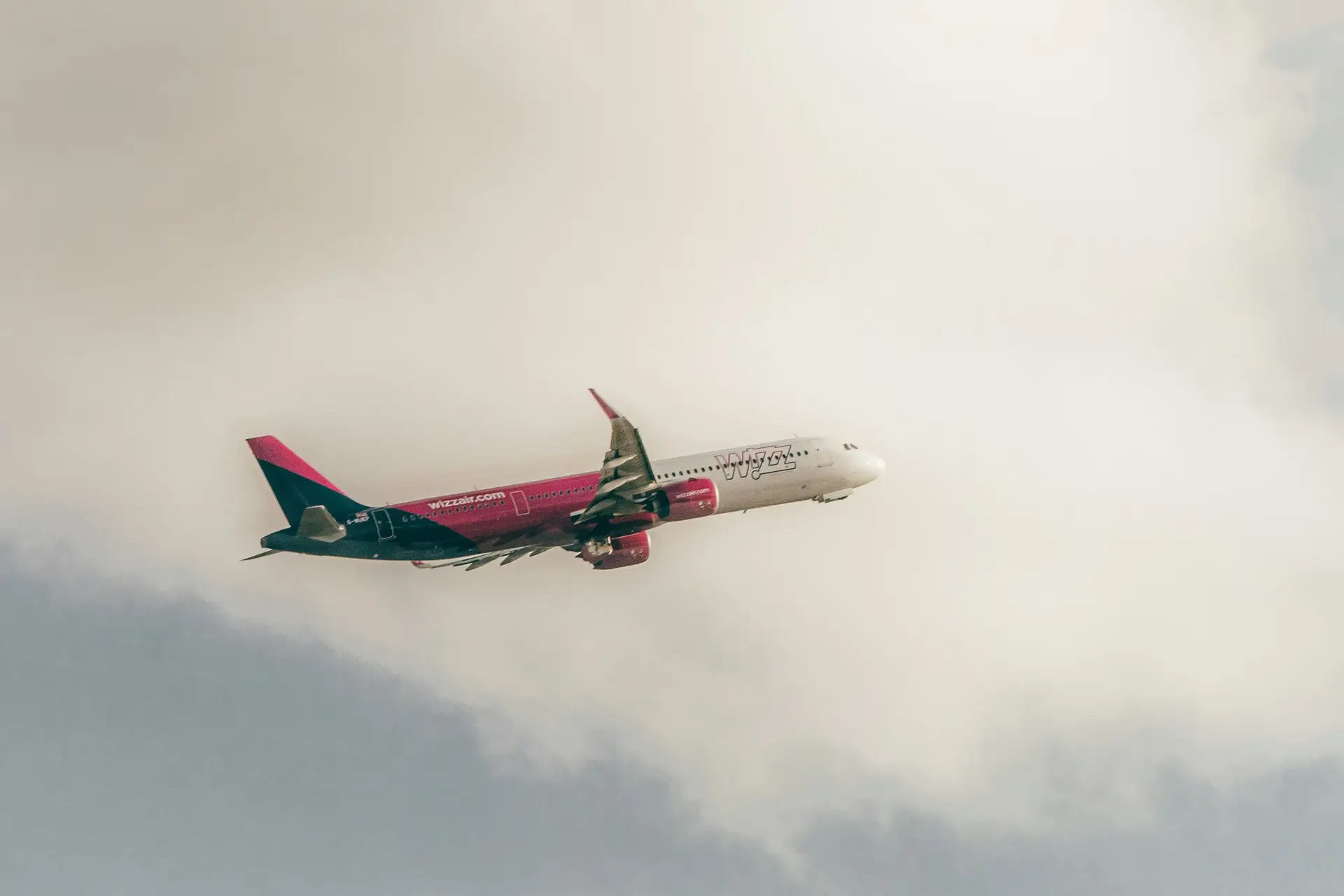
There is a quiet irony in the routine of European budget aviation. Hundreds of passengers board an aircraft in London, expecting a routine flight to Sofia, only to find their journey interrupted by a security emergency high above the Balkans. On Monday, a Wizz Air flight from Luton bound for the Bulgarian capital was forced to abandon its planned trajectory following a bomb threat received while the plane was airborne.
Flight-tracking data from Flightradar24 showed that the aircraft was flying over Bosnia and Herzegovina when the decision was made to alter course. Rather than continuing toward its destination, the airliner turned north toward Hungary. There, the response to an airborne emergency was swift and strictly coordinated.
The Hungarian military immediately deployed a Gripen fighter jet from its base in Kecskemét in central Hungary to intercept and escort the passenger plane. Defence Minister Romulusz Ruszin-Szendi confirmed on social media that the military aircraft accompanied the airliner until it landed safely at Budapest Liszt Ferenc International Airport.
Once the passenger plane touched down and taxied to a designated stand, the fighter jet returned to its base in Kecskemét, handing operational control over to police authorities. Hungarian police and emergency services subsequently conducted thorough security checks on the aircraft, its passengers, and the crew.
Wizz Air, the Hungary-based airline operating the route, issued a statement confirming that the flight had been diverted in accordance with established safety protocols. The carrier emphasized that it was working in full cooperation with local authorities and that the protection of passengers and crew remained its paramount concern.
Such incidents highlight the fragile nature of modern air travel. When anonymous threats disrupt transit across international borders, resolving the crisis relies not on corporate public relations, but on the precise execution of national defense and law enforcement protocols.
Written by Thomas Nussbaumer thomas.nussbaumer@alpineweekly.com