Oct 26, 5:02 PM
Ideology Over Order: Writing Blank Checks for Violent Unrest
Ahead of upcoming youth protests in Germany, left-wing commentators are busy rationalising property destruction and street violence.
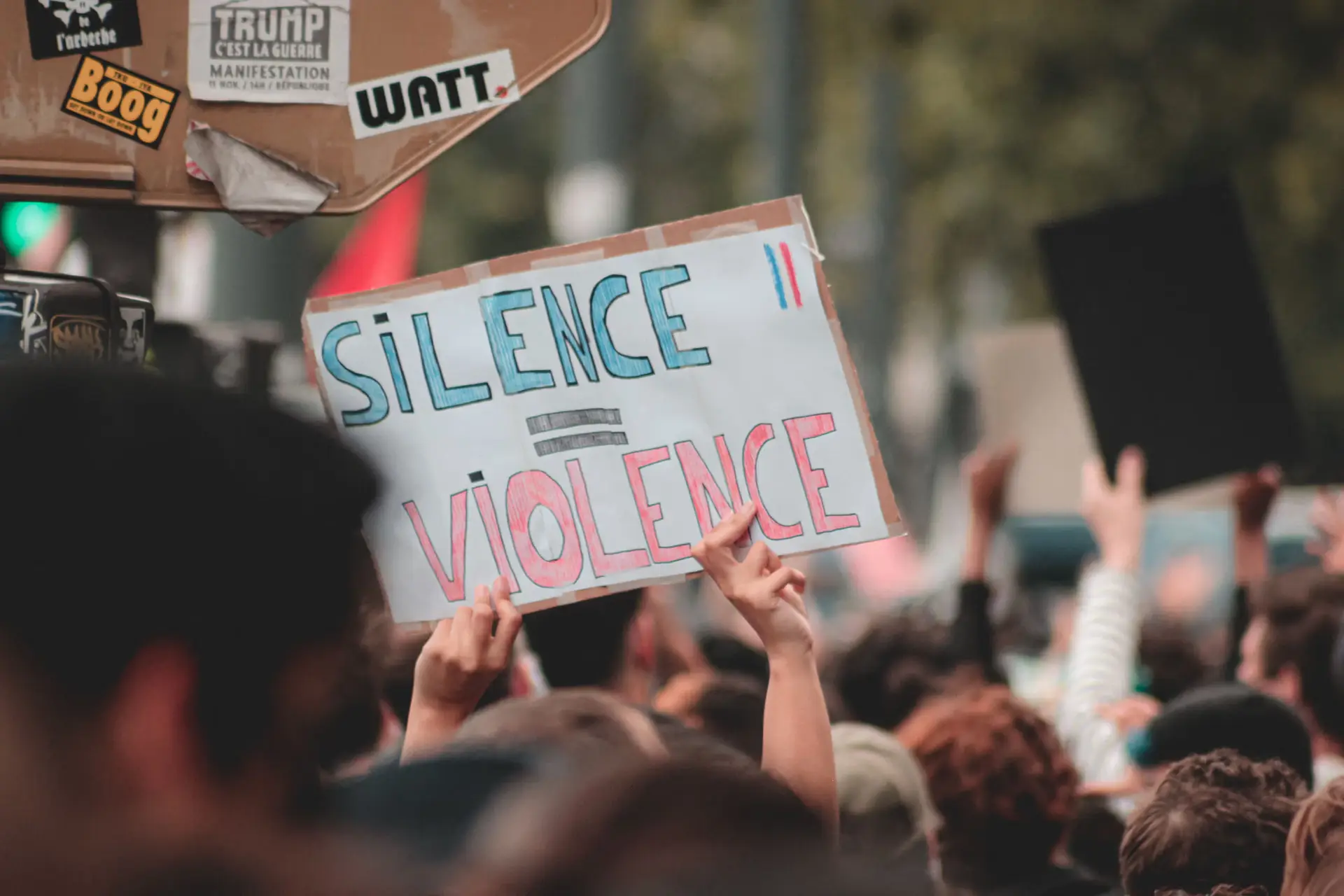
When comfortable urban intellectuals begin to romanticise street violence, they rarely start by praising broken shopfronts directly. Instead, they prefer to frame property destruction as an unfortunate, yet entirely inevitable, reaction to the oppressive weight of modern economic life. Ahead of the nationwide youth demonstrations scheduled for October 31 under the banner Gen Z regelt, the left-wing daily newspaper Taz has provided a textbook example of this ideological gymnastics.
While the official organisers of the protest movement posted messages in their public channels explicitly distancing themselves from rioting and looting, commentators at Taz expressed disappointment at such moderation. Disavowing physical confrontation, the paper argued, reveals a naive failure to recognise the implicit violence of late capitalism and state power. In a remarkable display of selective history, the publication cited the militant tactics of early twentieth-century suffragettes to suggest that meaningful political progress has rarely occurred without arson, property damage, and physical escalation.
This intellectual endorsement of civil unrest arrives at a moment when radical regional offshoots of the movement are already eager to abandon peaceful assembly. Local social media channels operating under the movement's name in Stuttgart, Leipzig, and Berlin have been circulating footage of burning barricades and clashes with law enforcement. In Stuttgart, local organisers published video statements asserting that peaceful revolutions simply do not exist, claiming that essential civil rights were historically secured through force because authorities left no alternative. Meanwhile, the Berlin chapter sought to trivialise potential shop looting, openly questioning why the public should agonise over the ransacking of a luxury boutique when set against state actions abroad.
The romantic appeal of political violence usually dissolves the moment it collides with reality, as demonstrated by recent events across the border in France. There, violent protests on October 17 left roughly one thousand police officers injured, three thousand retail stores looted or vandalised, and economic damage reaching an estimated nine million euros, according to figures from the research institute Fondation Ifrap.
By framing economic freedom and democratic state institutions as inherently violent constructs, media commentators effectively offer moral cover to anyone preparing to light a match on October 31. Whether the main organisers can maintain control over their own movement against this tide of media-sanctioned escalation remains uncertain. Yet when major publications begin to treat street riots as an acceptable instrument of political bargaining, the boundary between journalistic reflection and ideological apologia disappears entirely.
Written by Thomas Nussbaumer thomas.nussbaumer@alpineweekly.com