Oct 26, 5:02 PM
Digital Cadres and Street Canvas: How Brazil’s Left Stole the Right’s Playbook
Luiz Inácio Lula da Silva’s election comeback proves that viral messaging only works when tethered to old-fashioned electoral machinery.
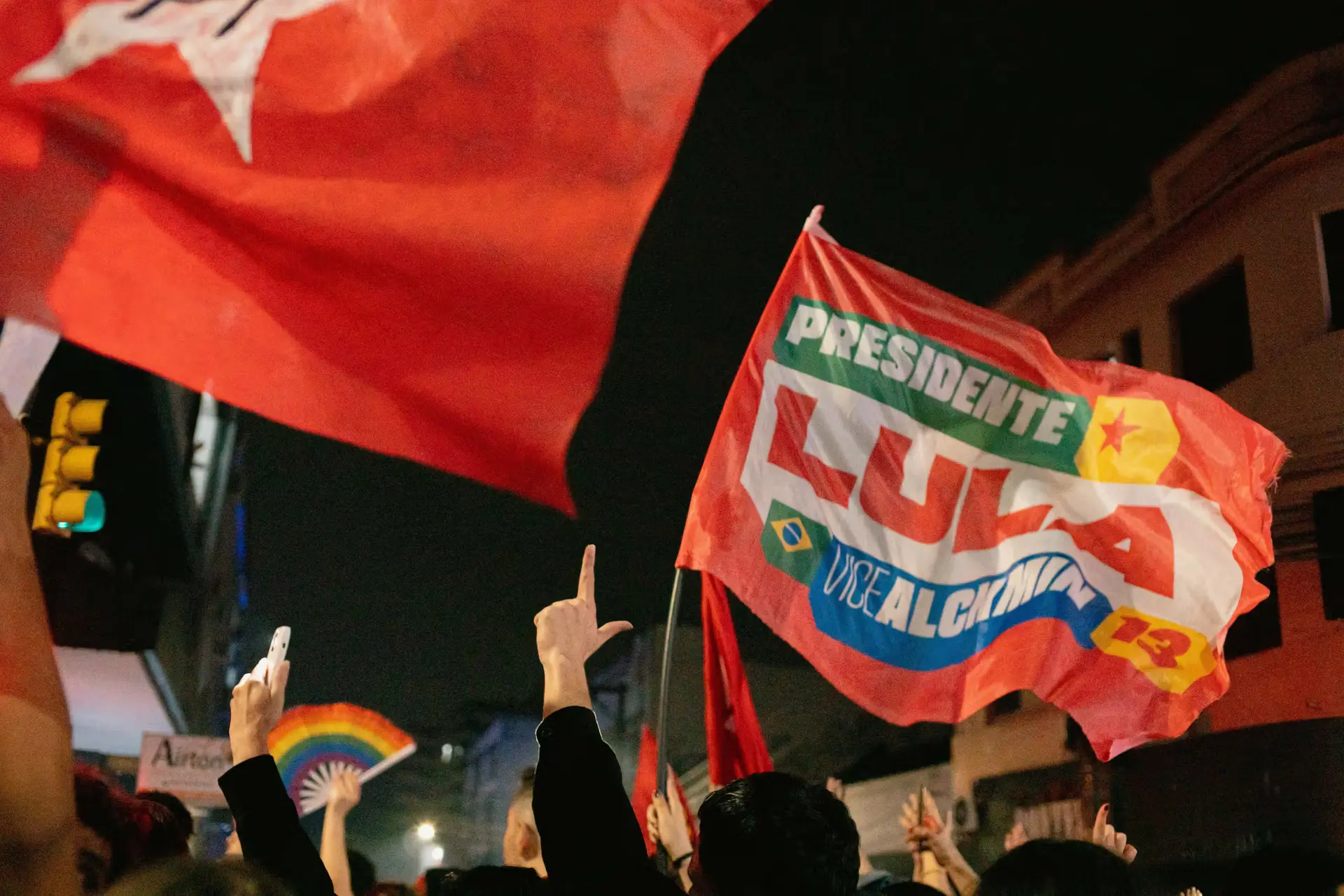
Modern political campaigns love to imagine that elections are won in the cloud, governed by secret algorithms and frantic mass messaging. Brazil’s recent presidential contest offered a masterclass in this obsession. Trailing right-wing challenger Flávio Bolsonaro with three weeks to go, Luiz Inácio Lula da Silva appeared headed for defeat. Then came a sudden digital counter-offensive that ended with the veteran left-wing leader securing an unlikely victory.
The catalyst was a WhatsApp network dubbed "Lula’s Army." Masterminded by Congressman André Janones, the channel swelled to 10.8 million followers in a matter of weeks. For years, the Brazilian right had owned the messaging app space, a dominance established during Jair Bolsonaro’s 2018 campaign. Janones simply hijacked the method, issuing military-style orders to his followers to blow up videos, push custom hashtags, and distribute ready-made graphic templates to friends and relatives. On election eve, he even hosted a marathon 24-hour livestream to keep the momentum going.
Inside Lula’s Workers’ Party, traditionalists shuddered. Janones’s confrontational, breathless style clashed uncomfortably with the respectable, moderate persona the campaign had spent months trying to construct. Yet winning cures all ideological squeamishness. In his victory speech, Lula publicly hailed the congressman as his general for keeping morale high when defeat looked inevitable.
Skeptics of digital messianism should nevertheless read the fine print. As political scientists point out, measuring how many voters actually change their minds because of a WhatsApp ping is impossible. Digital noise creates the illusion of momentum, but elections are still settled by real human beings walking to polling stations.
Lula’s real achievement was not simply overwhelming WhatsApp; it was tying digital hype to physical ground strategy. According to political scientist Denilde Holzhacker, the campaign recognised its vulnerabilities and pivoted sharply. The left weaponised fears over the potential loss of social programmes and rights under another Bolsonaro administration, translating online tasks into local door-knocking and community pressure. Meanwhile, Flávio Bolsonaro stumbled into the classic trap of run-off elections: assuming victory was already guaranteed and failing to communicate effectively with his base.
As sociologist Mayra Goulart observed, digital engagement mattered precisely because it reduced voter abstention and targeted undecided voters on the ground. The online enthusiasm acted as a catalyst for street-level organizers who persuaded citizens to actually cast their ballots.
Whether this aggressive mix of instant messaging and populist mobilization serves good governance is another matter. In celebrating his triumph, Lula declared: "We are going to give people a greater say in decision-making, and digital communication will play a much bigger role in my government." Managing a complex nation through WhatsApp blasts and viral outrage worked on the campaign trail. Translating that continuous digital adrenaline into actual governance will prove far more demanding.
Written by Martina Kirchner martina.kirchner@alpineweekly.com