Oct 24, 10:01 PM
High-Altitude Engineering or Expensive Vanity?
Elon Musk's flying, wall-climbing Tesla Roadster exposes the fine line between technological progress and executive hubris.
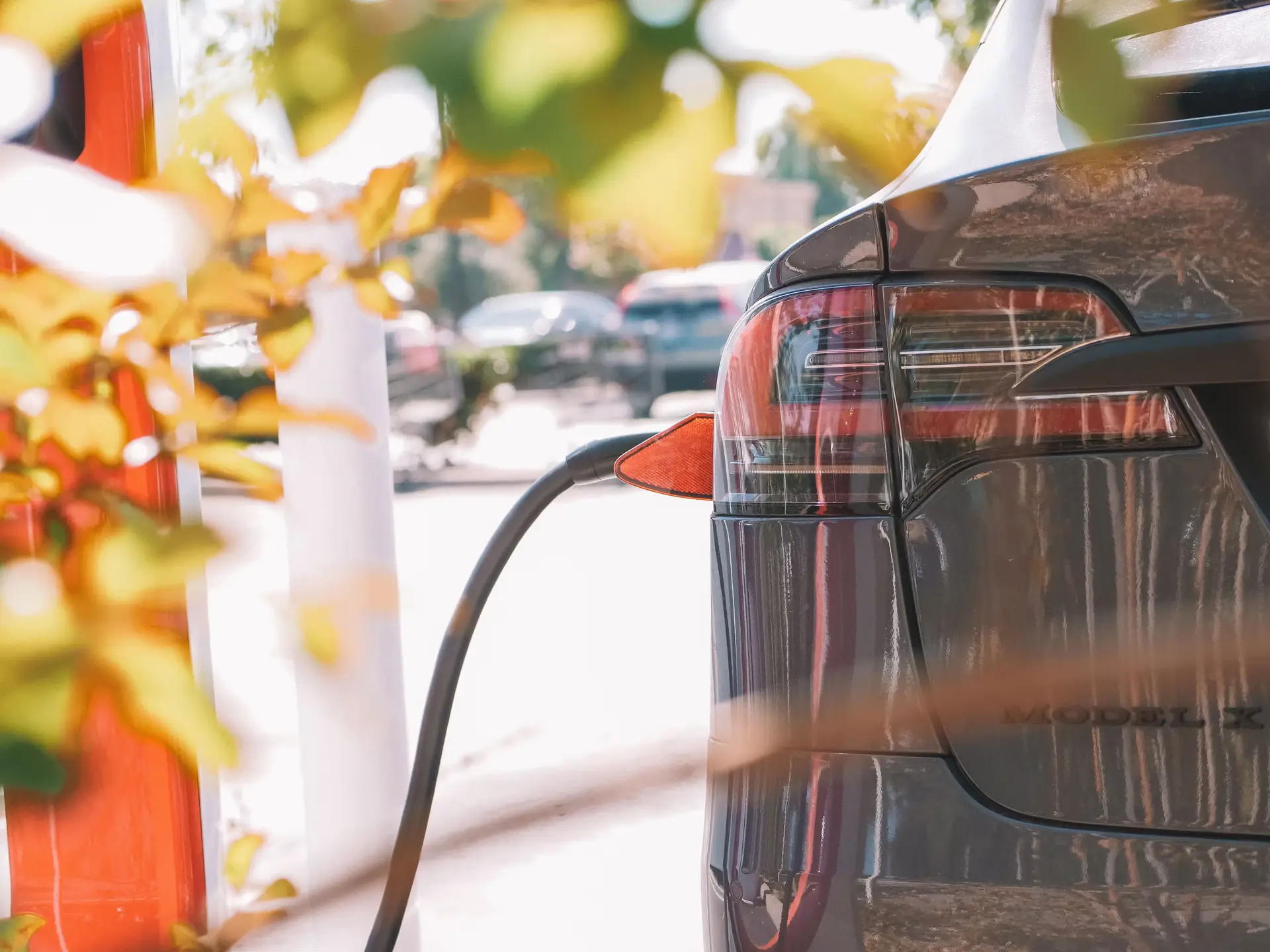
When an automobile manufacturer equips a sports car with cold gas thrusters and vacuum fans to drive up vertical walls, the boundary between engineering breakthrough and unrestrained vanity becomes remarkably thin. Elon Musk’s newest iteration of the Tesla Roadster promises short bursts of flight and the ability to adhere to overhanging surfaces. Beyond providing party tricks for wealthy collectors on private islands, the vehicle raises a fundamental question of economic utility. What purpose does a flying flounder serve in an economy increasingly burdened by regulatory hurdles and urban space constraints?
Appenzell cabaret artist Simon Enzler, currently touring with his eleventh stage program, offers a sharp critique of this high-tech spectacle. Comparing the wall-climbing mechanism to a standard window-cleaning robot, Enzler points out that if such technology must exist, it should at least serve a functional purpose. Vertical parking on third-story office walls could offer relief to congested city centers suffering from a chronic shortage of parking spaces. Alternatively, equipping the vehicle's front spoiler with cleaning rags might finally render it useful for maintaining dam walls or sweeping municipal streets where leaf blowers have been banned.
The military implications are equally worth examining. Strip away the commercial branding, and a remote-controlled, rocket-assisted vehicle is effectively a heavy drone. Information from the war in Ukraine has demonstrated the decisive role of drones in modern conflict management. Against this backdrop, traditional defense spending appears remarkably inflexible. The Swiss Air Force has allocated roughly 6 billion francs for new fighter jets—a sum that could theoretically purchase around 1,200 Tesla drones. Steering digital war wagons from the safety of the hinterland presents a stark contrast to conventional procurement, even if operating them with a joystick in one hand remains a satirical scenario.
There is, however, a clear public safety issue in unleashing such power onto public roads. Accident statistics involving young drivers demonstrate that placing a 600-horsepower leased vehicle in inexperienced hands is little different from wielding a loaded weapon in a residential area. Granting a driving license under such conditions effectively functions as a firearms permit, prompting calls for a mandatory testosterone limit alongside standard legal blood alcohol limits. As Musk contemplates a potential fusion between SpaceX and Tesla while managing an estimated 14 children with at least four women, the public is left to consider what other science-fiction concepts are quietly moving through the corporate pipeline.
Written by Thorben Thiede thorben.thiede@alpineweekly.com