Oct 24, 10:02 PM
Brazil’s Changing Working Class Confronts Lula’s Welfare Model
As industrial hubs shift toward gig work and fiscal fatigue sets in, Flávio Bolsonaro takes the advantage into the presidential run-off.
The political arithmetic in Brasilia has taken a sharp turn toward economic reality. President Luiz Inácio Lula da Silva faces a formidable run-off against right-wing challenger Flávio Bolsonaro, who secured victory in the election's opening round. Since 1989, no candidate who led the first round has lost the presidency in the final vote. For Lula, the immediate threat is not merely a rival campaign, but a fundamental shift within the very constituency that built his political career.
In former industrial strongholds such as Osasco, the classic trade union model is fading. Metal, chemical, and textile plants have given way to shopping malls, tech hubs, and an expanding gig economy. Former factory floors are replaced by self-employed delivery drivers, street vendors operating portable payment terminals, and service providers who view state paternalism with growing skepticism. To a new generation of workers seeking schedule flexibility and individual earnings, traditional collective bargaining offers little leverage.
This structural evolution has exposed the limits of Lula’s statist economic approach. While official metrics point to record-low unemployment and Brazil's removal from the UN Hunger Map, daily life tells a different story. High inflation, elevated interest rates, public budget deficits, and a heavy tax burden have eroded real purchasing power. Voters increasingly face stark financial tradeoffs between basic household expenditures and personal debt obligations. In this environment, Flávio Bolsonaro’s platform of curbing government spending, streamlining ministries, and offering tax relief appeals directly to citizens weary of fiscal mismanagement.
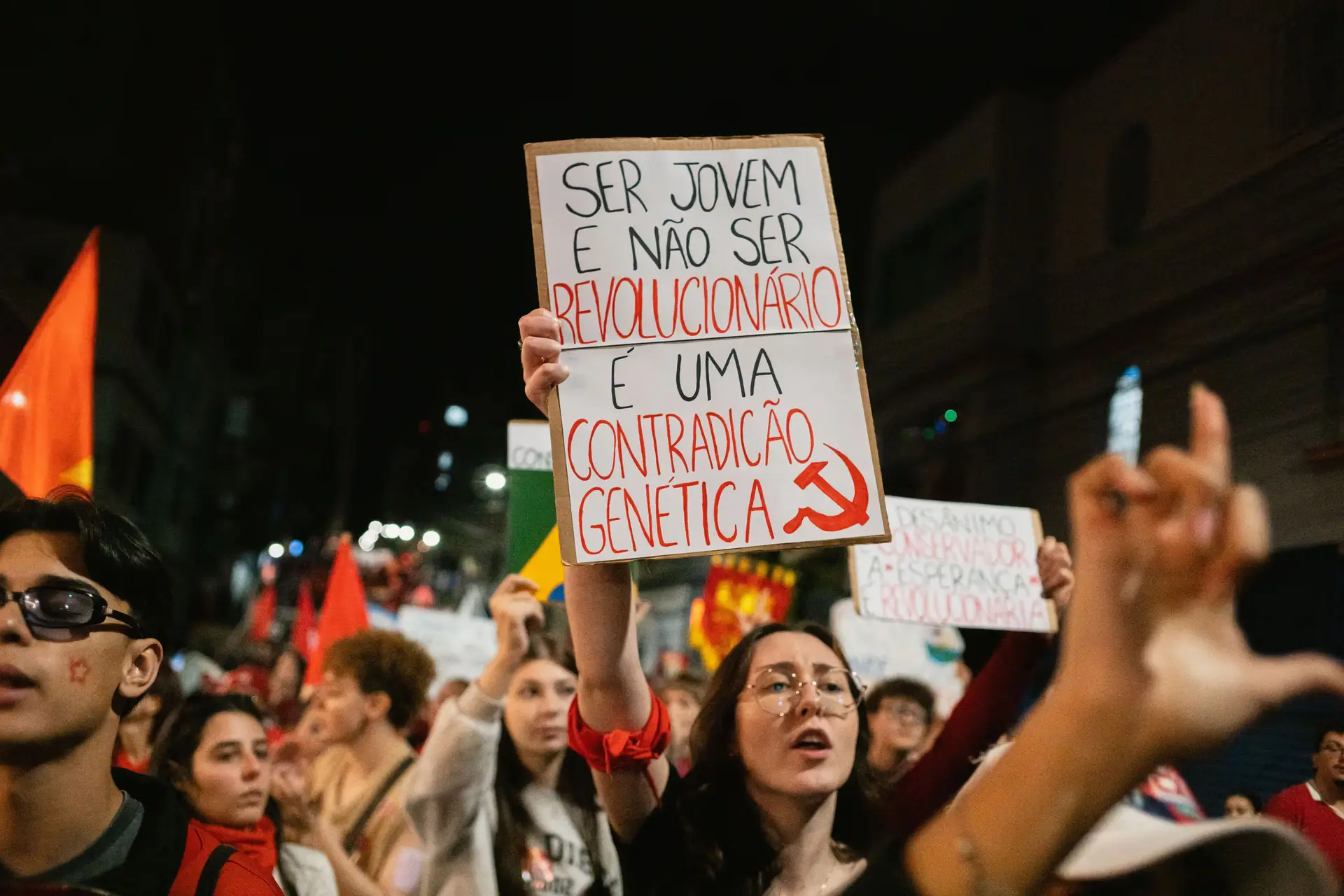
Disillusionment has also registered as voter fatigue. First-round abstentions reached 33 million, marking the highest rate since 1998. In impoverished neighborhoods like Rio de Janeiro’s Maré favela, despite increases to the minimum wage and expanded social welfare access, voter turnout dropped amid administrative disruptions and widespread apathy. To counter this, Lula’s campaign has turned to large-scale street demonstrations, youth mobilization, and polished social media clips aimed at demonstrating the 80-year-old president's physical vitality.
At the same time, cultural and social networks are shifting toward conservative institutions. Evangelical churches, which now claim roughly a quarter of the population, have effectively stepped into the void left by state institutions and labor unions. Organizations like the Assembleia de Deus Vitória em Cristo offer community support, job advice, and a message of self-reliance alongside traditional social values.
As the run-off arrives, Lula’s historical legacy as a champion of organized labor meets an electorate that has outgrown the 20th-century welfare model. Whether traditional populism can overcome modern economic disillusionment remains the central trial of this election.
Written by Thomas Nussbaumer thomas.nussbaumer@alpineweekly.com