Oct 24, 10:01 PM
Paris Under Siege by Routine: When Precaution Replaces Governance
Apocalyptic warnings of half a million protesters gave way to shuttered shops, tear gas, and familiar political friction.
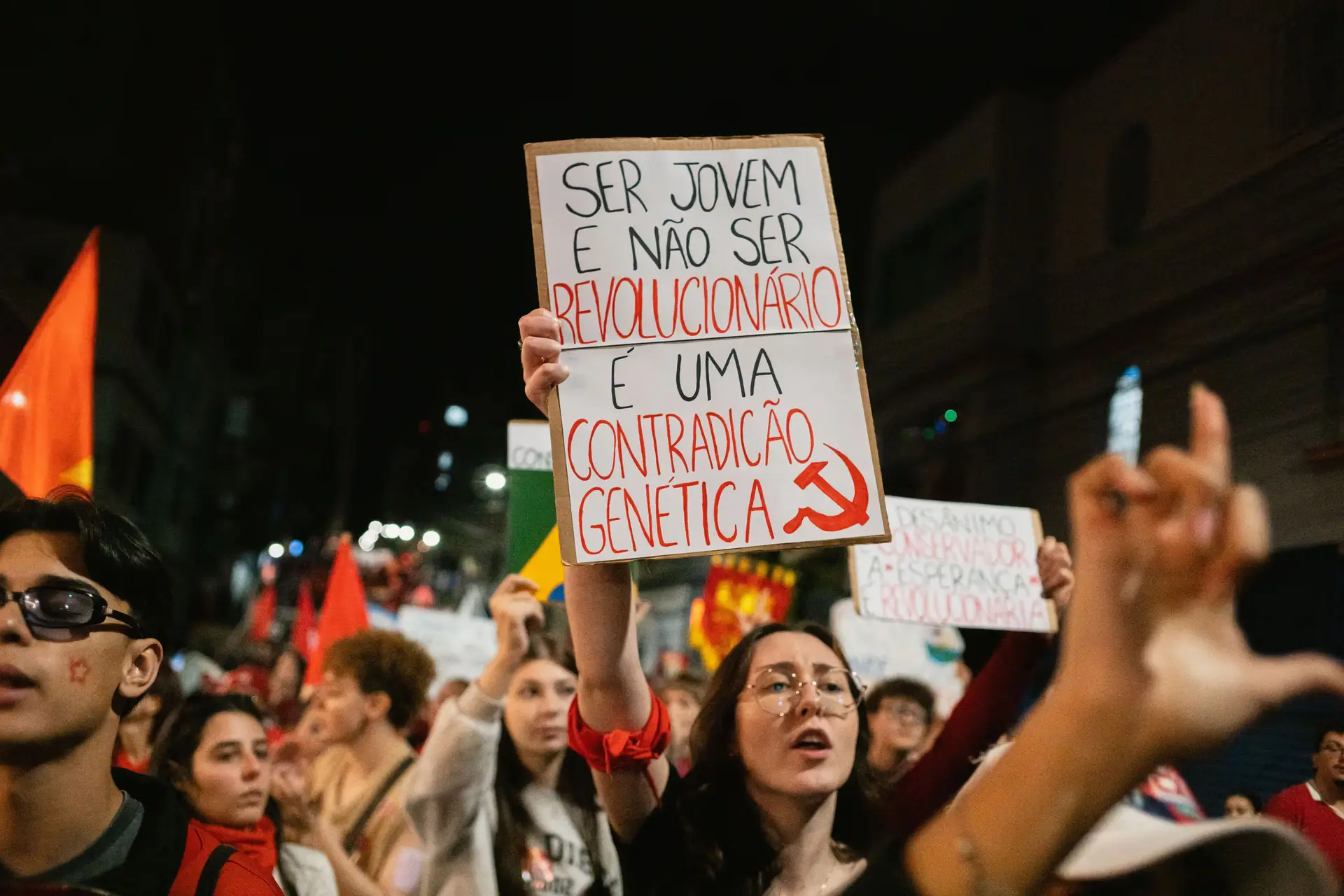
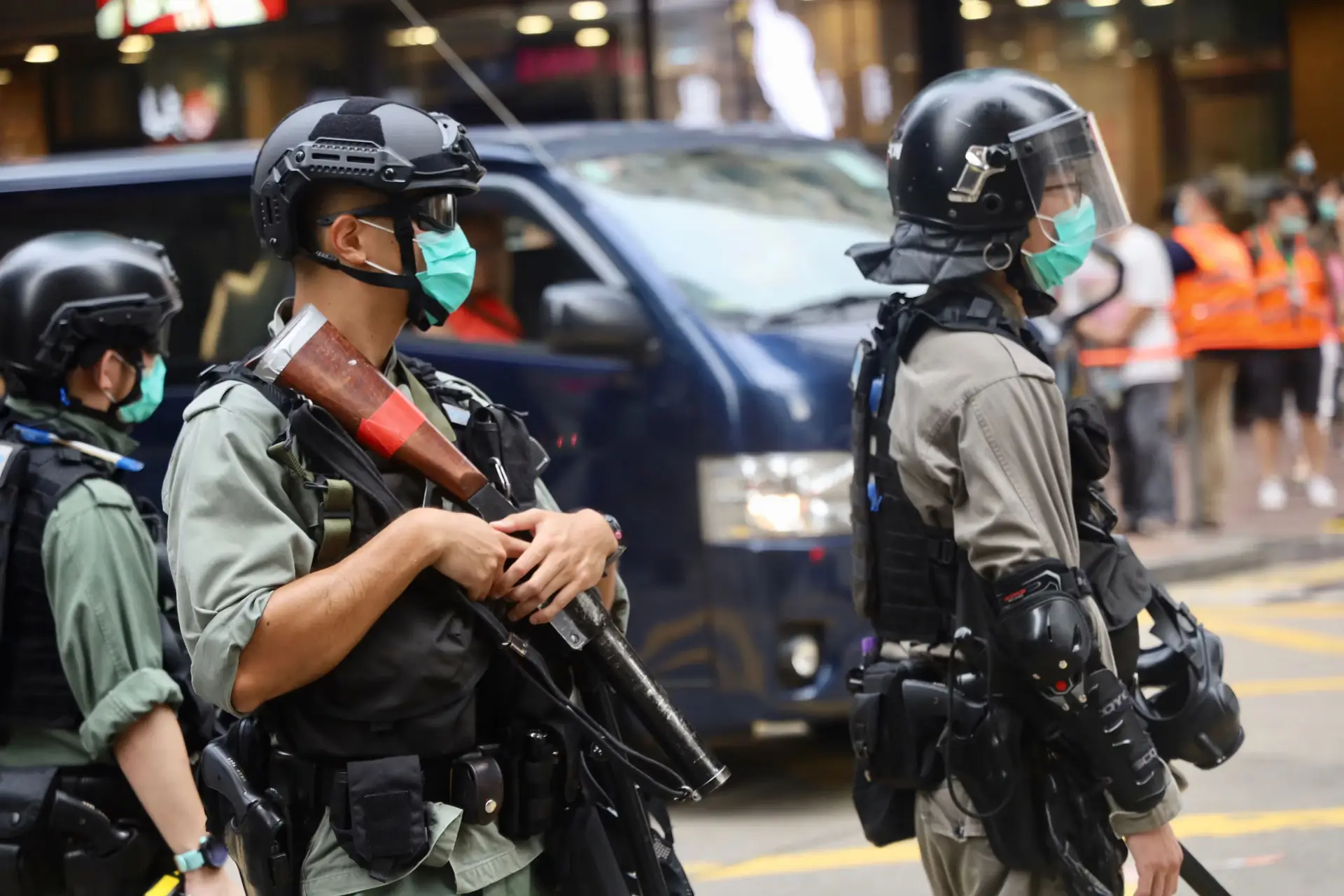
Paris shuttering its iconic museums and boarding up storefronts has quietly shifted from an emergency protocol to a routine operational tax. Ahead of the latest nationwide demonstrations following recent riots, curfews, and a mass shooting on the city's outskirts, intelligence agencies raised the alarm. Reports warned that up to half a million people could flood the streets, with ultra-left agitators allegedly organizing online to recreate the destructive violence of the previous weekend.
When the day unfolded, the reality proved far more mundane, if no less telling. Police figures placed total attendance across France at 110,000—precisely matching the previous week’s figures, but falling dramatically short of the apocalyptic predictions issued by security apparatuses. Instead of a metropolis consumed by organized chaos, the day was defined by administrative reshuffling, last-minute route changes, and scattered deployments of tear gas across several regional cities.
The state’s preparation was characteristically heavy-handed. Early morning crackdowns yielded seizures of gas masks and weapons, while authorities scrambled to re-route marches far enough away from the city centre to protect economic hubs. Paris effectively froze itself in place to accommodate the agitation, sacrificing a day of normal commerce and cultural life for the illusion of control.
Yet, the underlying political machine operates unabated. Left-wing political factions continue to capitalize on civil discontent, with figures such as Fatima Khallouk, a French Communist Party spokesperson and deputy mayor in Alfortville, keeping the ideological machinery lubricated. The grievances being voiced may be genuine, but the structure surrounding them has become predictably theatrical.
When a major capital must routinely suspend its commercial and cultural life to manage weekend marches, the issue stretches far beyond street-level disruption. It reveals a governing apparatus that treats chronic volatility not as a failure to be solved, but as a permanent background noise to be managed with tear gas and altered parade routes.
Written by Sandy van Dongen sandy.vandongen@alpineweekly.com