Aug 31, 10:02 AM
Finding Nuance in the Taliban Parlour
Public broadcasting turns its lens to the domestic life of Afghan fundamentalists, searching for complexity where hard reality reigns.
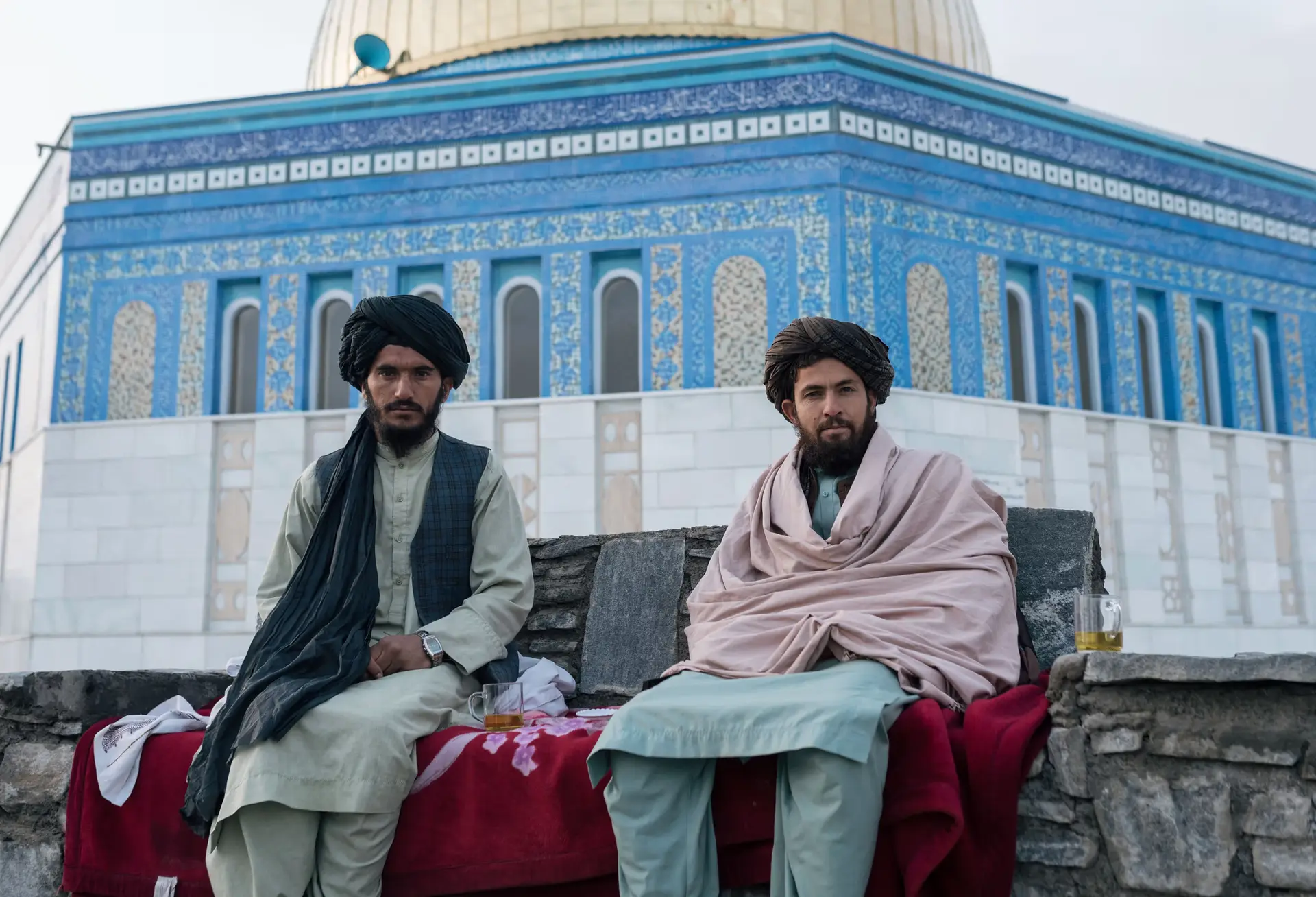
Leave it to state-subsidized television to discover domestic harmony and subtle human nuance inside the living quarters of the Taliban. In a recent report, France 24 offered its audience a look into an Afghan Taliban household, framing the domestic environment as a complex world that challenges simplified narratives surrounding the group.
The report relies on a rather curious vignette: inside this domestic sanctuary, a wife embraces her Taliban brothers while simultaneously asserting a woman's right to freedom. It is a comforting portrait for a Western media apparatus accustomed to searching for progressive glimmers in the darkest corners of ideological tyranny. Viewers are invited to observe the quiet domesticity of religious fundamentalists, as if a wife claiming personal freedom over tea in a living room somehow softens the overarching reality of systemic oppression.
This insistence on uncovering private complexity in fundamentalist societies is a familiar journalistic impulse. Yet, elevating domestic scenes into a challenge against so-called simplified narratives requires a remarkable degree of detachment. When media outlets focus on cozy domestic routines to contextualize authoritarian rule, they risk substituting hard institutional facts with comforting anecdotes. A woman asserting her rights within the quiet confines of a Taliban home alters nothing about the legal and social reality enforced outside the front door.
Broadcasting such portrayals reflects a broader pattern of intellectual indulgence. There appears to be a persistent eagerness among public broadcasters to find ideological shades of grey where clear moral and economic realities exist. By framing the domestic life of Taliban members as a rich, multifaceted tapestry, media commentary conveniently sidesteps the harsh, illiberal nature of the regime itself.
Whether an assertion of freedom inside a private parlour constitutes genuine agency or merely a tolerated exception remains an open question. What is clear, however, is the media's ongoing fascination with humanizing the uncompromising. As long as fundamentalism can be packaged as a complex domestic story, public broadcasting will willingly provide the platform.
Written by Sandy van Dongen sandy.vandongen@alpineweekly.com