Jun 13, 6:01 PM
The Price of Patriotism: Swiss Fans Finance FIFA’s Californian Dream
Astronomical ticket prices and uncapped resale markets fail to deter affluent Swiss supporters in San Francisco.
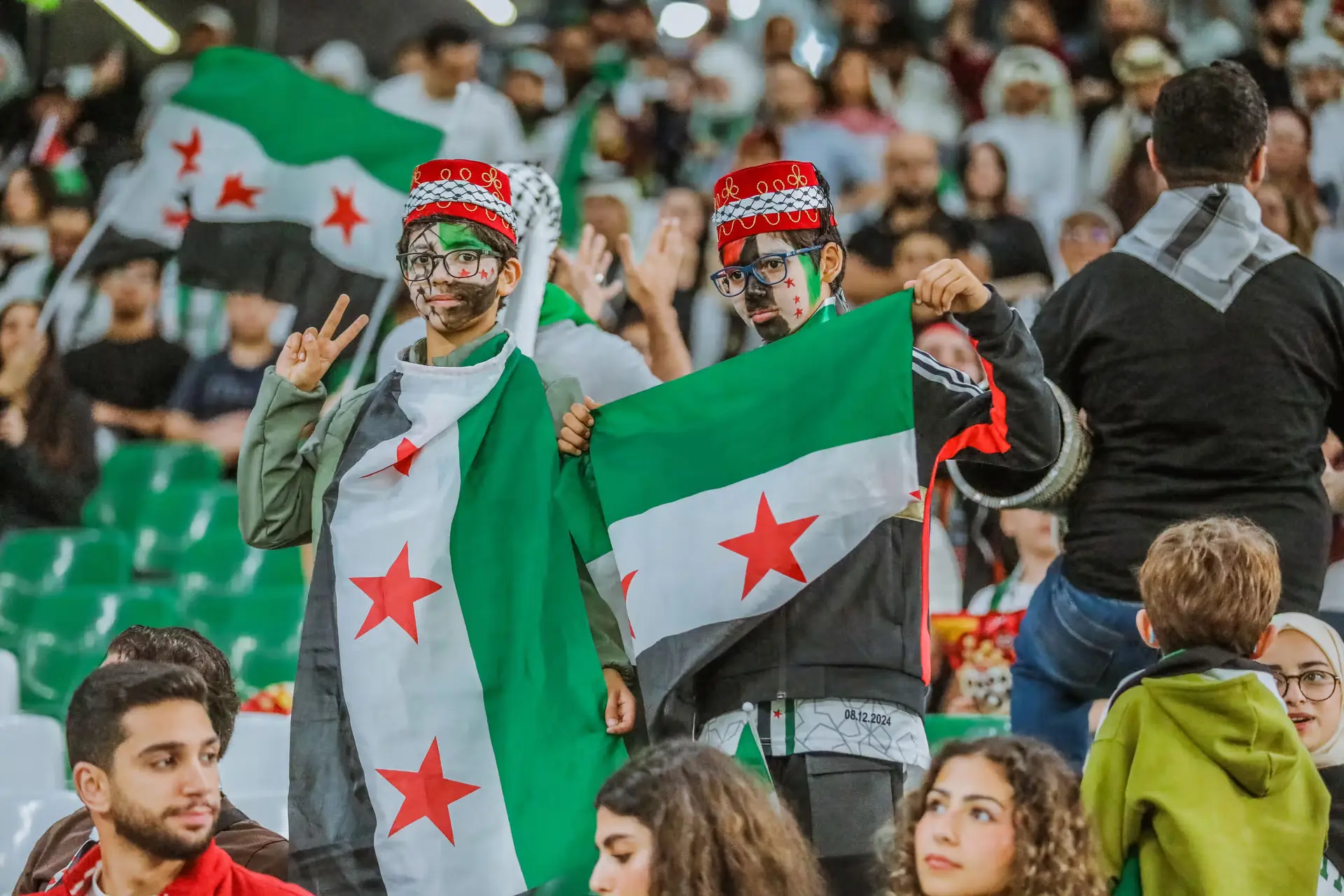
San Francisco is currently hosting a rather expensive display of Swiss patriotism. As the Swiss national football team prepares to face Qatar in their opening match of the 2026 World Cup, the Californian city has become a gathering point for a wealthy, nostalgic diaspora and traveling supporters. For many of these fans, a football match on the American West Coast is less about athletic excellence and more about purchasing a fleeting sense of home. The price tag for this emotional luxury is staggering, driven by a governing body that understands the exact monetary value of national pride.
The financial mechanics behind this tournament reveal a ruthless optimization of supply and demand. World football's governing body has introduced a dynamic pricing model for original tickets, while simultaneously removing any price caps on its official resale platform. The result is a hyper-capitalist secondary market where standing-room tickets initially surfaced for around seven thousand Swiss francs. While local politicians, such as New York Mayor Zohran Mamdani, have launched petitions against these astronomical costs, the outrage among the Swiss contingent remains remarkably subdued.
This quiet acceptance is symptomatic of a nation accustomed to high living standards and comfortable financial buffers. Switzerland profits handsomely from its independent economic positioning outside the European Union, breeding a certain naivety when confronted with global market exploitation. Fans like Noelle McGregor, a teacher from Glarus who has lived in the United States for nine years, simply waited for prices to drop slightly before securing entry for herself and her American partner. For her, the exorbitant fee is merely the cost of introducing her partner to her culture and enjoying the company of her compatriots.
The sentiment is echoed across the Swiss gatherings near Pier 39, where the desire for community easily overrides financial prudence. Loris Zimmerli, a Swiss influencer with personal ties to national player Cedric Itten, brushed aside concerns over the host country's political climate and the inflated costs, viewing his attendance as a rare privilege. Another supporter, Roger, dismissed the financial burden entirely, arguing that representing his country in the United States justifies the expense. He confidently predicts a flawless group stage with three victories and nine points.
Ultimately, the entire spectacle highlights a fascinating intersection of modern sports monopolies and affluent fandom. The governing body provides the platform and extracts maximum profit, while the Swiss supporters, friendly but entirely compliant, willingly empty their pockets. They may recognize that the ticketing system is flawed, but their desire to wave the red and white flag and speak their native dialect in California proves far stronger than any urge to rebel against the commercialization of the sport.
Written by Sandy van Dongen sandy.vandongen@alpineweekly.com