Jun 12, 10:01 AM
The Pitch and the Pavement: World Cup Kicks Off Amid Predictable Protests in Mexico City
Activists clashed with riot police over tournament spending, but the machinery of the mega-event rolled on undisturbed.
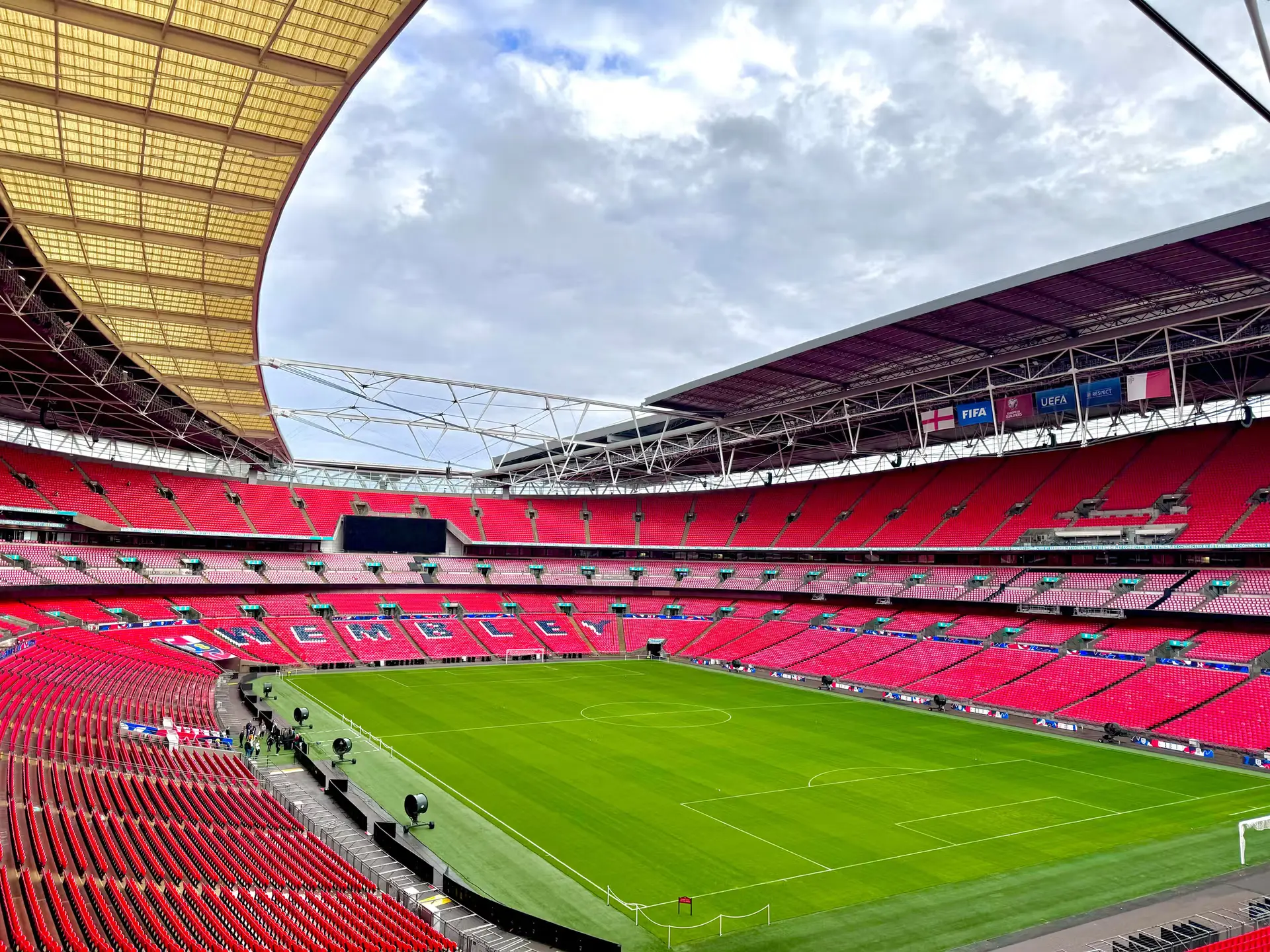
Global sporting spectacles inevitably operate on two distinct pitches. Inside the stadium, national teams compete for sporting glory; outside, activists vie for the attention of the international press corps. The opening of the 2026 FIFA World Cup in Mexico City was no exception to this modern tradition. As Mexico prepared to face South Africa on June 11, a familiar ritual of civil disobedience unfolded on the streets. Riot police and university students engaged in brief, predictable clashes over the allocation of government resources, temporarily transforming the stadium's perimeter into a theater of political discontent.
The unrest was largely driven by demonstrators affiliated with the National Autonomous University of Mexico, alongside various other activist groups. Their objective was straightforward: to breach the security cordons and disrupt the arrival of fans attending the inaugural match. Protesters attempted to dismantle police barricades and push through defensive lines, resulting in physical confrontations with authorities. The activists hurled stones and debris at the officers, who responded with standard crowd-control measures to secure the access routes. Plumes of smoke and the glare of flares briefly punctuated the atmosphere around the venue.
At the core of the demonstration was a critique of public spending. Banners hoisted by the crowd demanded that the capital poured into the tournament be redirected toward domestic social priorities. The activists sought to highlight structural inequality and the chronic issue of unresolved disappearances in Mexico. While these domestic challenges are undeniably severe, the assumption that canceling a major international tournament would magically resolve deep-seated institutional failures is a hallmark of campus idealism. Mega-events like the World Cup are massive economic engines, yet they frequently serve as convenient scapegoats for systemic state inefficiencies that long predate the arrival of sports governing bodies.
Despite the localized chaos, the state apparatus functioned exactly as required for a host nation under the global spotlight. Authorities maintained tight control over the designated security zones, ensuring that the unrest remained a peripheral nuisance rather than a central disruption. The defensive cordons held firm, isolating the demonstrators from the thousands of spectators streaming into the arena. Organizers confirmed that the opening fixture proceeded entirely on schedule. The brief skirmishes outside the gates ultimately failed to derail the machinery of the tournament, proving once again that the economic and cultural momentum of a World Cup easily outpaces the predictable outrage of the street.
Written by Martina Kirchner martina.kirchner@alpineweekly.com