
Oct 23, 6:01 AM
High Rhetoric and Hot Laps: Formula One's African Ambitions
Lewis Hamilton plans to race into his mid-40s as F1 signs a controversial ten-year deal with Rwanda.
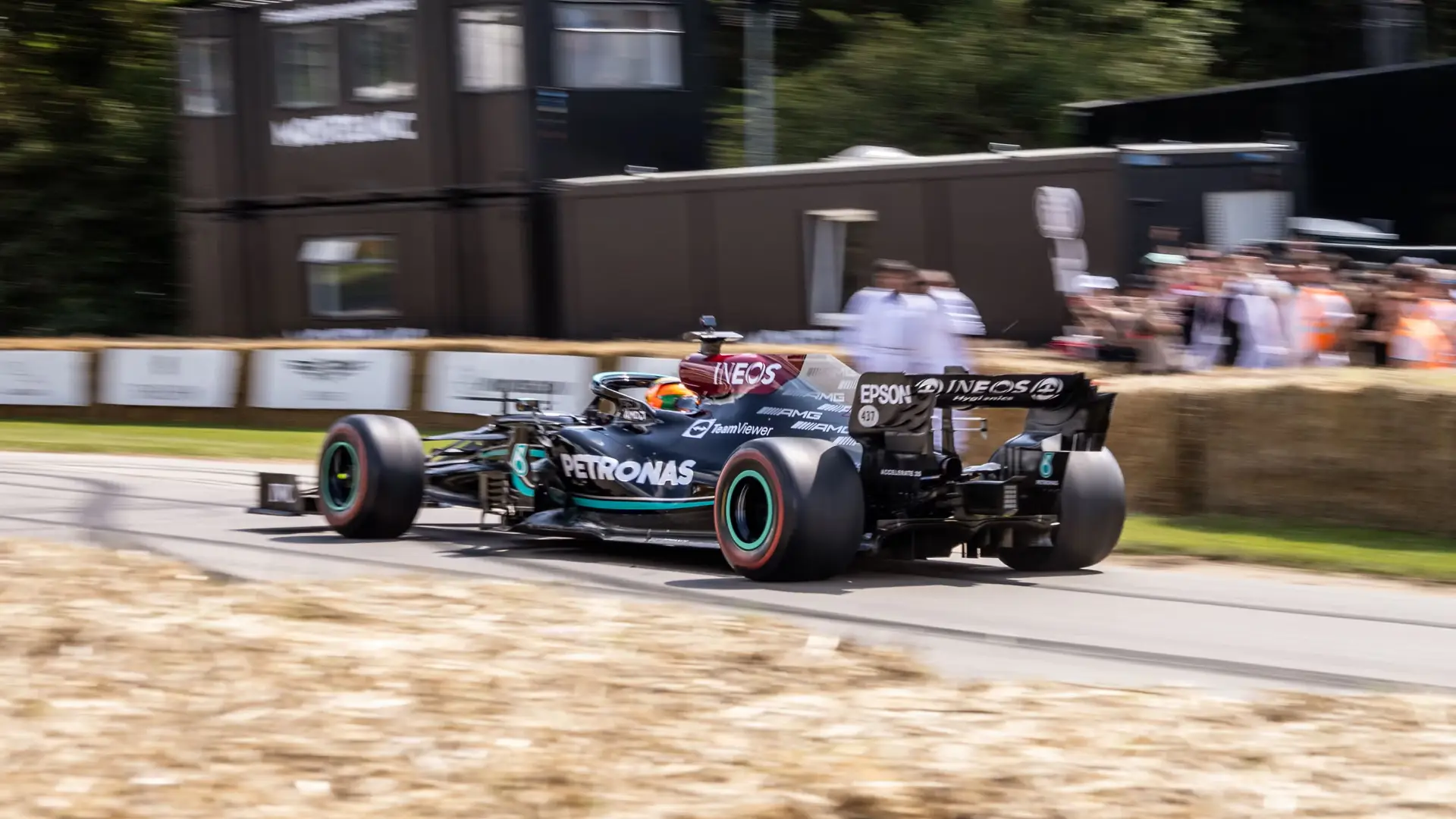
Formula One’s expansion machine has secured its latest conquest: a ten-year deal to drop a purpose-built racetrack into Bugesera, twenty-five miles south of Kigali. Not since 1993 at Kyalami in South Africa has the sport set foot on the continent. Yet, as Rwanda prepares to host the grand prix in the early 2030s, the spectacle is already wrapped in the usual lofty rhetoric. Lewis Hamilton, now 41 and under contract with Ferrari through 2027, announced his intention to stretch his career into his mid-40s specifically to participate. For Hamilton, racing in Africa is a long-held ambition—one he insists must be approached with humility and a nod toward the legacy of Western intervention.
Whether an empire of high-octane entertainment can serve as a benevolent educational tool remains an open question. Human rights organizations view the arrangement with considerably less romanticism. Amnesty International UK pointed out that the ten-year grand prix serves as a premier sportswashing prize for Rwandan authorities, pointing to widespread arbitrary detention, torture, and the suppression of free speech. Rwanda’s government and its Development Board view the unbuilt circuit as an economic engine, adding motorsport to a portfolio that already includes cycling world championships, the Basketball Africa League, and FIFA congresses. Hamilton, however, brushes off such concerns by arguing that the event will spark global interest and encourage people to educate themselves about the region, while casually invoking broader geopolitical calls regarding Congo, Sudan, Syria, and Palestine.
Stretching a driver's career into their mid-40s is hardly unprecedented—Fernando Alonso currently competes at 45—but doing so to serve as a self-appointed ambassador highlights the curious state of modern F1. While veterans manage their legacies, the commercial and competitive machinery behind them operates on a far more immediate timeline.
Beyond the geopolitical posturing, the grid continues its relentless generational shift. Audi, which entered the sport this year by taking over Sauber, is preparing 18-year-old Briton Freddie Slater for his free practice debut at the upcoming Mexico City Grand Prix. Slater, who finished second in Formula 3 and is moving to Formula 2 next year, will also run in Sao Paulo, as Audi racing director Allan McNish seeks to give the academy driver essential track experience. Simultaneously, 20-year-old Mercedes driver Kimi Antonelli stands on the brink of becoming F1’s youngest world champion at the US Grand Prix, holding a 102-point lead over teammate George Russell.
The contrast is striking. While young drivers claw their way up through developmental academies and title battles on merit, the sport's elder statesmen and corporate directors negotiate multi-year deals with authoritarian states in the name of global progress. Formula One continues to offer its stage to government-backed PR campaigns, comfortable in the knowledge that as long as the cars are fast and the moralizing is vocal, the circus will always find an audience.
Written by Freya Stensrud freya.stensrud@alpineweekly.com