
Oct 23, 6:02 AM
Wall Street’s AI Impatience
Spiraling corporate spending and rising energy prices spark a sharp correction in tech equities.
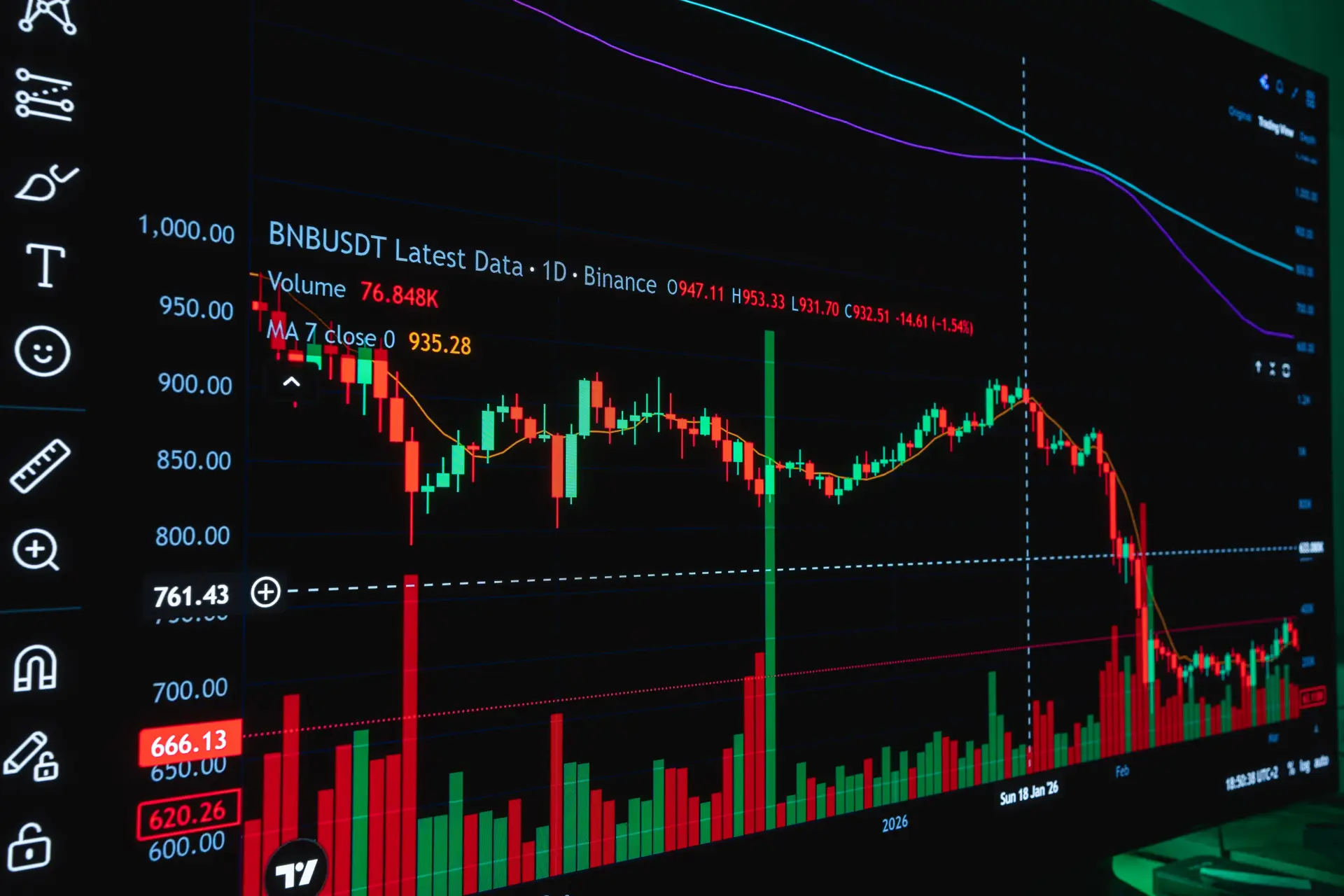
When tech valuation multipliers depend entirely on a speculative future, a minor shift in market mood can feel like an avalanche. Wall Street provided a stark example on Thursday, as tech equities suffered a broad retreat triggered by growing anxiety over the staggering cost of building artificial intelligence infrastructure.
The Nasdaq Composite led the downturn, slumping 2.6 percent in its sharpest single-day decline since early June, when it dropped 4.2 percent. The broader S&P 500 slipped 1.21 percent, marking its largest drop since late July. With the sole exception of Apple, which managed a modest gain of 1.2 percent, the mega-cap tech sector endured a punishing session across the board.
At the center of the sell-off was Meta. The parent company of Facebook saw its shares plunge nearly 7 percent after revealing an escalated capital expenditure target of $135 billion to $145 billion for the year, even as its net profit trailed consensus estimates. The message from shareholders was plain: endless spending without immediate earnings acceleration will face punishment. The anxiety quickly infected its peers. Amazon dropped 4.6 percent, while chip heavyweight Nvidia fell 4.4 percent. Alphabet and Tesla both lost 3.1 percent, with Microsoft closing down 2.2 percent. Semiconductor manufacturers fared even worse, with Intel and Advanced Micro Devices tumbling about 8 percent, and Broadcom dropping 4.3 percent.
Compounding the tech-specific unease was a sharp rise in energy costs. Brent crude futures surged 4 percent to exceed $114.20 a barrel—their highest mark since May—driven by the escalating fallout from the US-Israel war on Iran. Higher energy prices naturally dampen appetite for risk assets, and the gloom promptly spread across the Pacific. Asian stock indices opened lower on Friday, with South Korea’s KOSPI plummeting up to 3.5 percent, Hong Kong's Hang Seng slipping about 0.5 percent, and Japan’s Nikkei 225 dropping more than 2 percent before paring losses.
This sudden wave of risk aversion revives the debate over whether artificial intelligence represents an unsustainable bubble reminiscent of the dot-com crash. Capital expenditure projections remain breathtaking; technology insights firm Gartner estimates global AI spending will hit $2.7 trillion in 2026 and reach $3.6 trillion in 2027. Yet some market observers suggest the recent volatility reflects shifting emotion rather than broken business models. Jay Goldberg, a senior analyst at Seaport Research Partners, pointed out that the wild swings appear driven more by an overarching wall of worry and prevailing investor sentiment than by any tangible decay in corporate fundamentals. Whether markets are undergoing a necessary discipline or merely a brief panic, the underlying tension remains: how long will capital remain patient before demanding tangible returns on multi-trillion-dollar bets?
Written by Martina Kirchner martina.kirchner@alpineweekly.com