Oct 23, 6:01 PM
Deep-Frozen Ambition: How Davos Keeps Winter on Life Support
A 40-centimeter layer of sawdust saves the Flüela Valley ski trail, but drought exposes the limits of alpine snowproofing.
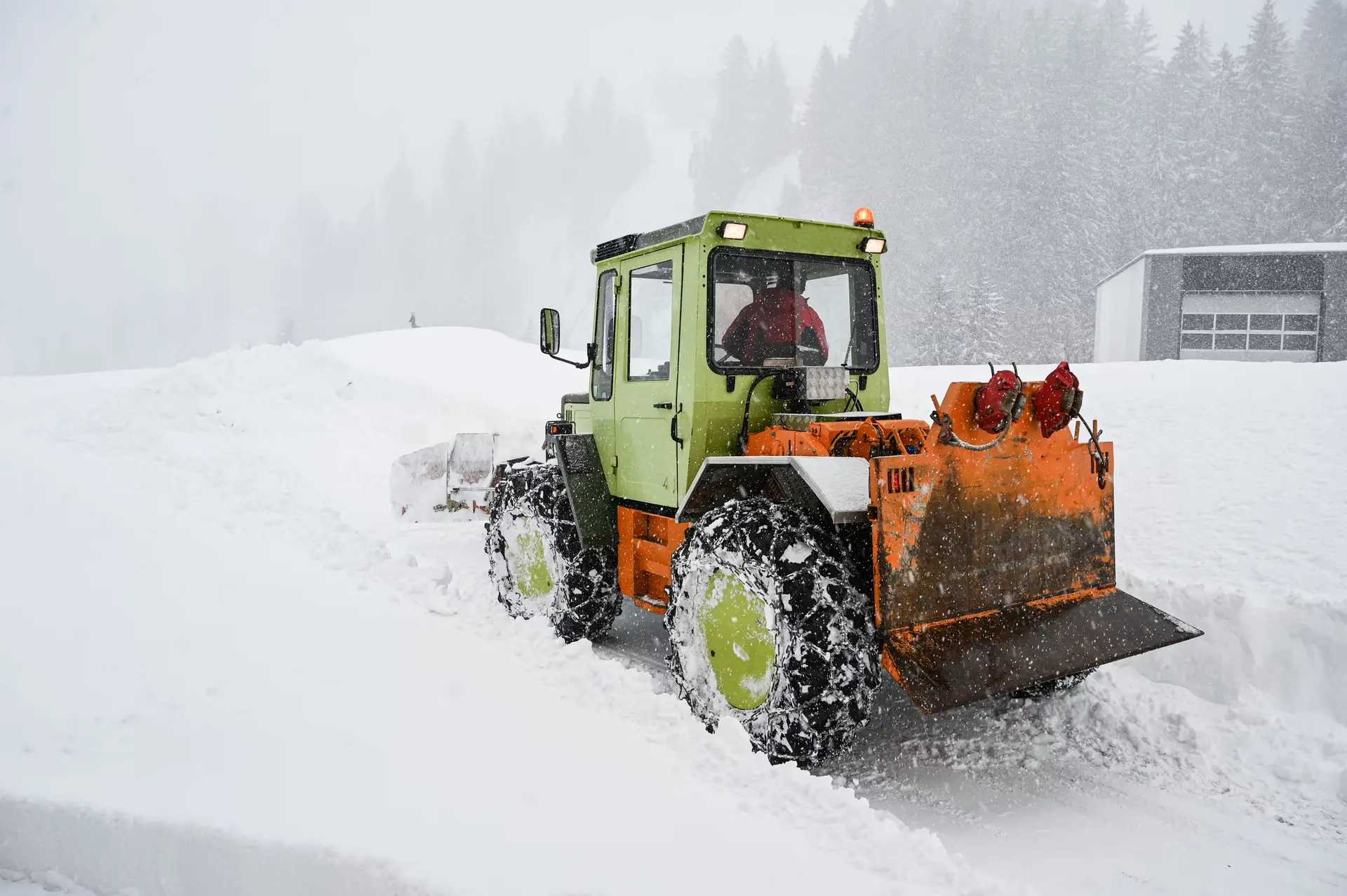
At the first turns of the Flüela Pass, an excavator is carefully peeling back a forty-centimeter layer of sawdust. Beneath this rustic blanket lies winter itself: roughly 18,000 cubic meters of preserved snow that survived the summer heat virtually unscathed. For nineteen years, the municipality of Davos has relied on this technique, known as snowfarming, to guarantee a four-kilometer cross-country skiing trail in the Flüela Valley regardless of seasonal trends.
Swiss ingenuity and healthy municipal budgets can accomplish remarkable feats when nature fails to deliver. By insulating the heap with wood shavings, local authorities have turned summer snow preservation into a predictable routine. The remaining volume matches that of previous years, proving once again that well-funded technique can buy temporary immunity from rising temperatures. Other tourist destinations from Switzerland and abroad have taken notice, flocking to Davos this year to study a method that may soon become standard practice across alpine Europe.
Yet even the most sophisticated mountain management runs into basic ecological boundaries. Werner Putzi, who oversees snowfarming for the municipality of Davos, notes that high temperatures were less troubling this year than the persistent lack of rainfall. The preserved pile secures the immediate start of the cross-country season, but future snow production relies heavily on the adjacent Flüelabach stream, which currently carries dangerously low water volumes.
If the autumn remains dry, the limits of this technological illusion will become starkly apparent. Snowmaking operations would have to manage with significantly reduced water supplies, potentially leaving other municipal trails that depend on artificial snow without coverage. While Putzi expressed hope that autumn rains will ease the situation, the dry creek bed stands as a quiet warning: even rich alpine resorts cannot simply engineer their way out of a water deficit.
Written by Christiane Hofreiter christiane.hofreiter@alpineweekly.com