Oct 23, 6:01 PM
Bans, Drones, and Armoured Cars: France’s Fractured Republic Relies on Force
Mobilising 70,000 officers for domestic protests reveals a state running low on authority and solvency.
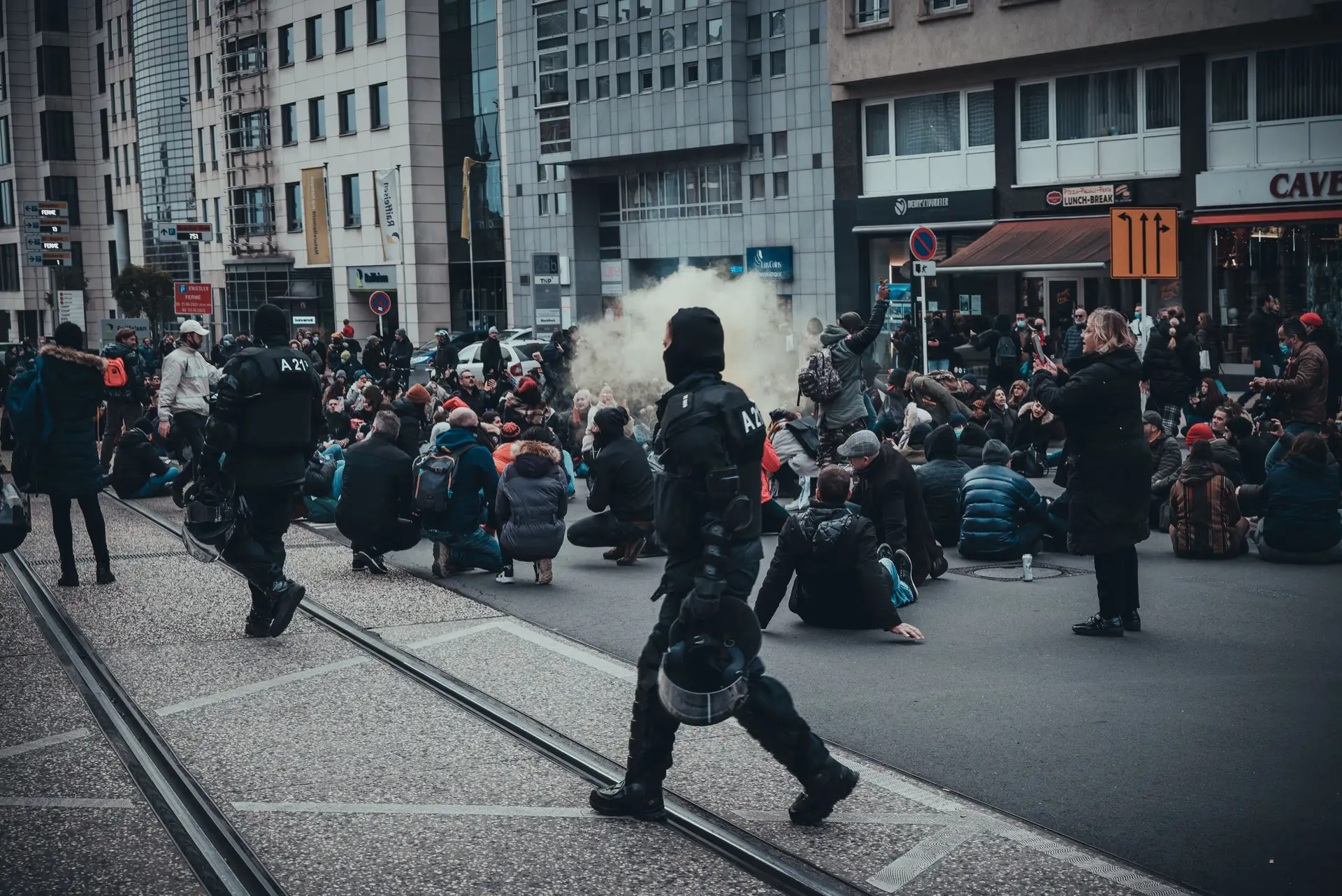
When a European government needs to deploy 70,000 police officers, armoured vehicles, water cannons, and counter-terrorism units just to manage a weekend of social protest, it is fair to ask what remains of normal statecraft. France finds itself in precisely this predicament as President Emmanuel Macron’s administration attempts to contain nationwide unrest sparked by spiralling living costs and decaying public infrastructure.
Having admitted to losing control during previous demonstrations that left city centres looted and the historic town hall in Limoges in ruins, Paris is relying on blunt force. Interior Minister Laurent Nuñez signalled the uncompromising stance of the state, declaring that security forces are ready tomorrow to be extremely firm and not tolerate anything.
The official response relies heavily on administrative bans and heavy-handed policing. Marches by student union UNEF and gilets jaunes groups planning hundreds of local events have been outlawed in major urban hubs like Lyon and Paris, prompting union leaders such as Marylise Léon to decry an abuse of presidential power. Meanwhile, Justice Minister Gérald Darmanin confirmed that 217 people have already been jailed. While Macron lays the blame on ultra-left agitators trying to bring down the republic, the reality points to deeper structural decay. Decades of heavy state intervention, alarming public finances, and failed integration policies have created cities where public authority only exists behind a shield of anti-riot gear.
The dissatisfaction spilling onto French streets is echoed across the continent. Citizens in Madrid, Barcelona, Rome, and Vienna are equally weary of inflation and failing public services. Yet France remains the acute patient of Western Europe. Add to this the volatile mix of political polarization—with Marine Le Pen’s National Rally capitalizing on the chaos six months before presidential elections—and suburban violence illustrated by a fatal shooting in Trappes, and the limits of the French model become glaringly obvious. Deploying elite military units to secure domestic streets may buy temporary quiet on Saturday, but it is no substitute for economic solvency and political competence.
Written by Sandy van Dongen sandy.vandongen@alpineweekly.com