Oct 17, 10:03 PM
Coexistence on the Pitch: When Law and Avian Logic Share a Cricket Oval
A protected lapwing claims prime real estate in Tasmania, proving that heavy fines and bird instincts make surprisingly effective teammates.
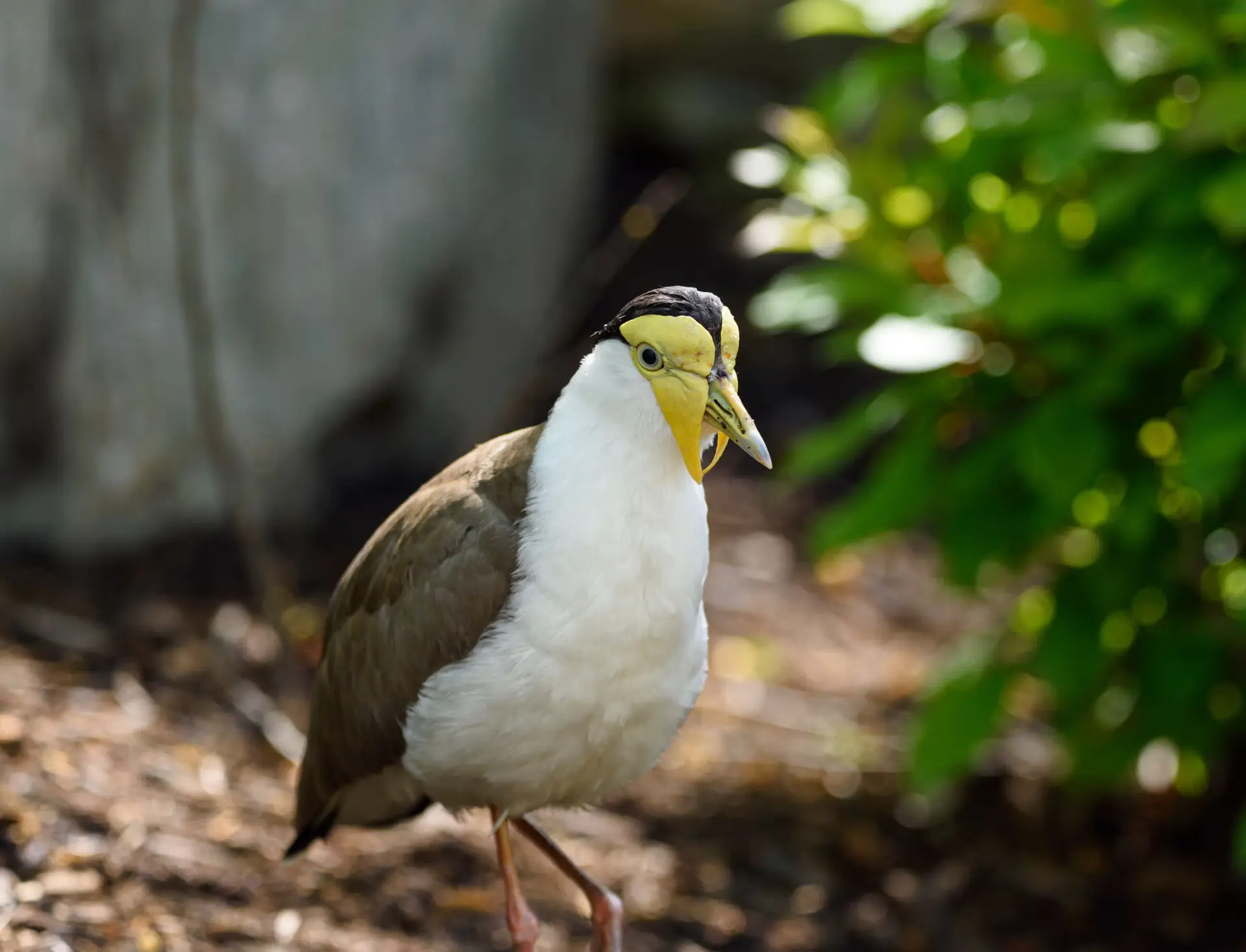
In the quiet suburb of Riverside near Launceston, a modest community sports ground has become an unexpected exercise in regulatory compliance and avian strategy. A single masked lapwing has decided that the exposed turf of Windsor Park’s cricket oval is the premier location to incubate its eggs. To the local cricketers forced to field around the nest during weekend matches, the arrangement is a bizarre hazard. To Tasmanian authorities, however, the bird represents a protected species carrying fines of up to $21,300 for anyone rash enough to disturb it.
Faced with such legal muscle, human behaviour adapted quickly. Ground staff now carefully steer lawnmowers around the site, while players from local clubs like the Great Northern Raiders structure their field placements around the squatter. Affectionately dubbed "Faf Swoop Plessis" by locals—a play on the former South African cricket captain—the lapwing remains thoroughly indifferent to the sport taking place around its nest.
What looks to humans like sheer defiance is a calculated survival tactic. Experts from BirdLife Australia and BirdLife Tasmania point out that manicured sports ovals provide nesting birds with clear, unobstructed 360-degree views to spot threats early. Rather than hiding in dense foliage, the birds select open, human-dominated spaces where potential predators are kept away, relying on natural camouflage to protect their eggs during the 28 to 30 days of shared incubation.
Local government officials are well accustomed to this seasonal friction. West Tamar Council Mayor Christina Holmdahl noted that maintenance crews encounter at least ten nesting sites every year across municipal parks. Given the protected listing of the masked lapwings in Tasmania, our staff take their responsibility of looking after these birds very seriously and take extra precautions to protect the birds and any nests they find, Holmdahl stated, explaining that strict buffer zones are enforced during routine maintenance.
The pitch standoff coincides with the launch of the 13th annual Aussie Bird Count, a national citizen science initiative designed to track how native wildlife navigates expanding human footprints. While national counts are typically dominated by Australian magpies and rainbow lorikeets, the lapwing at Windsor Park offers a compelling demonstration of urban adaptation. When environmental regulation meets natural instinct, even the game of cricket learns to share the field.
Written by Christiane Hofreiter christiane.hofreiter@alpineweekly.com