
Oct 30, 3:01 PM
When the State Fails to Execute
Christa Pike's survival of a botched lethal injection highlights the bureaucratic reality of state punishment.
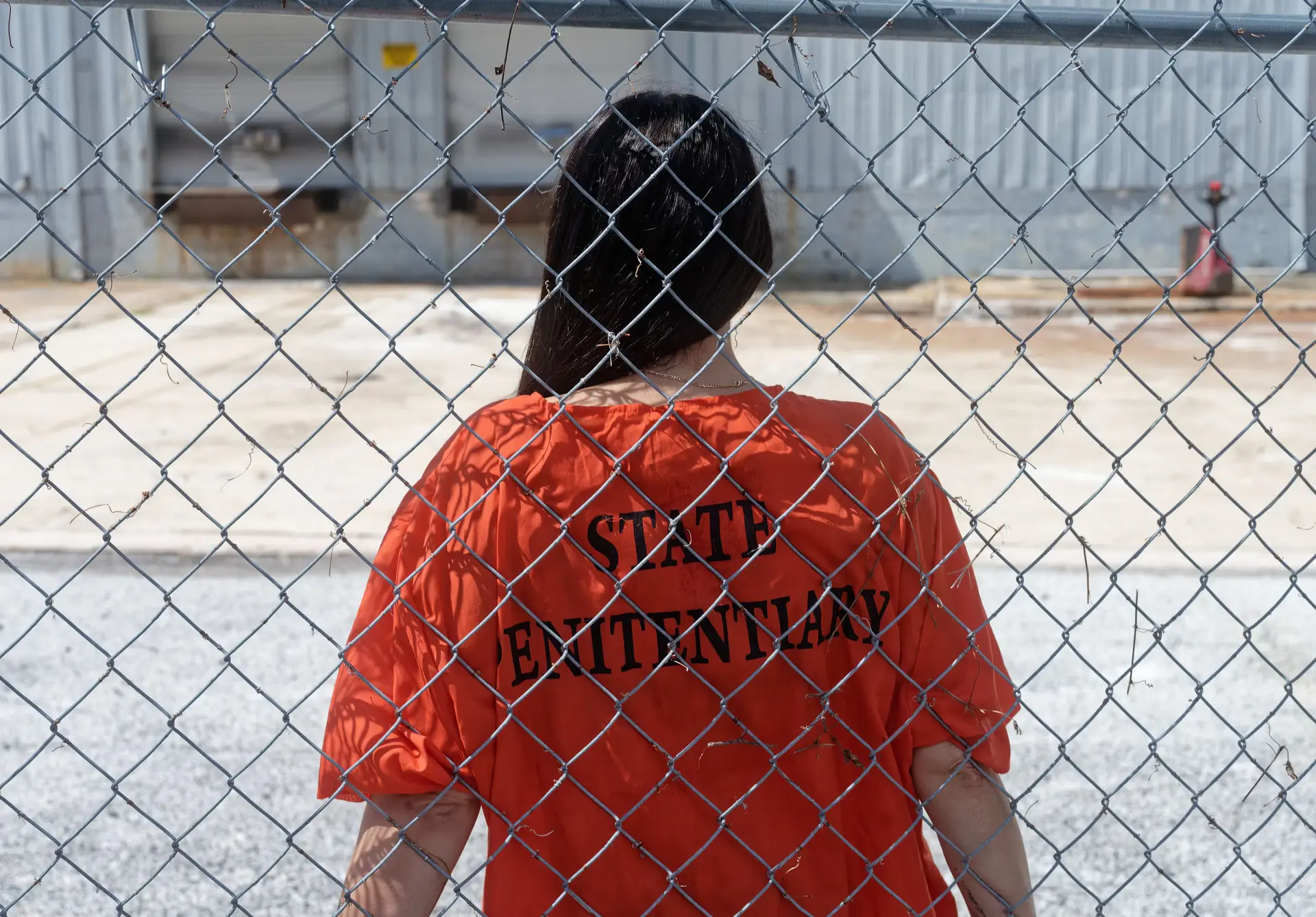
When a government claims the ultimate authority to end a life, it assumes a level of administrative and procedural precision that state institutions rarely achieve in practice. The case of Christa Pike, a 50-year-old inmate who has spent three decades in prison for the 1995 murder of Colleen Slemmer, stands as a rare illustration of institutional failure at its most extreme. Having lived through a botched execution attempt in September, Pike is believed to be the only person on record to survive a lethal injection sequence.
In her first public remarks since the failed procedure, released through her legal team on social media, Pike outlined the persistent physical and emotional fallout. She reported enduring severe pain across her body, hands, arms, and throat, adding that speaking continues to present a significant hurdle. The statement made clear that recovering strength does not mean she has returned to a state of health, pointing to lingering distress affecting both her mind and soul.
The execution attempt involved administering two separate doses of the drug pentobarbital, a process that left the inmate in critical condition. Following the botched procedure, Pike was hospitalized with severe complications, including pneumonia, extensive swelling in her arms, and an inability to swallow. After weeks of treatment, she was discharged late last month and transferred back to the correctional facility where she has been held since her conviction.
Capital punishment relies on the premise of swift, clinical execution. Yet when state administration stumbles over its own machinery, it exposes the gap between policy objectives and actual operational capability. Pike now remains in her cell, recovering from injuries inflicted by a procedure meant to end her life.
Written by Sandy van Dongen sandy.vandongen@alpineweekly.com