Oct 30, 3:01 PM
Sabotage in Kassel: Arson at Rheinmetall Construction Site Exposes Germany’s Security Deficit
Destroyed construction vehicles at a planned defense hub raise uneasy questions about the state's ability to protect vital investment.
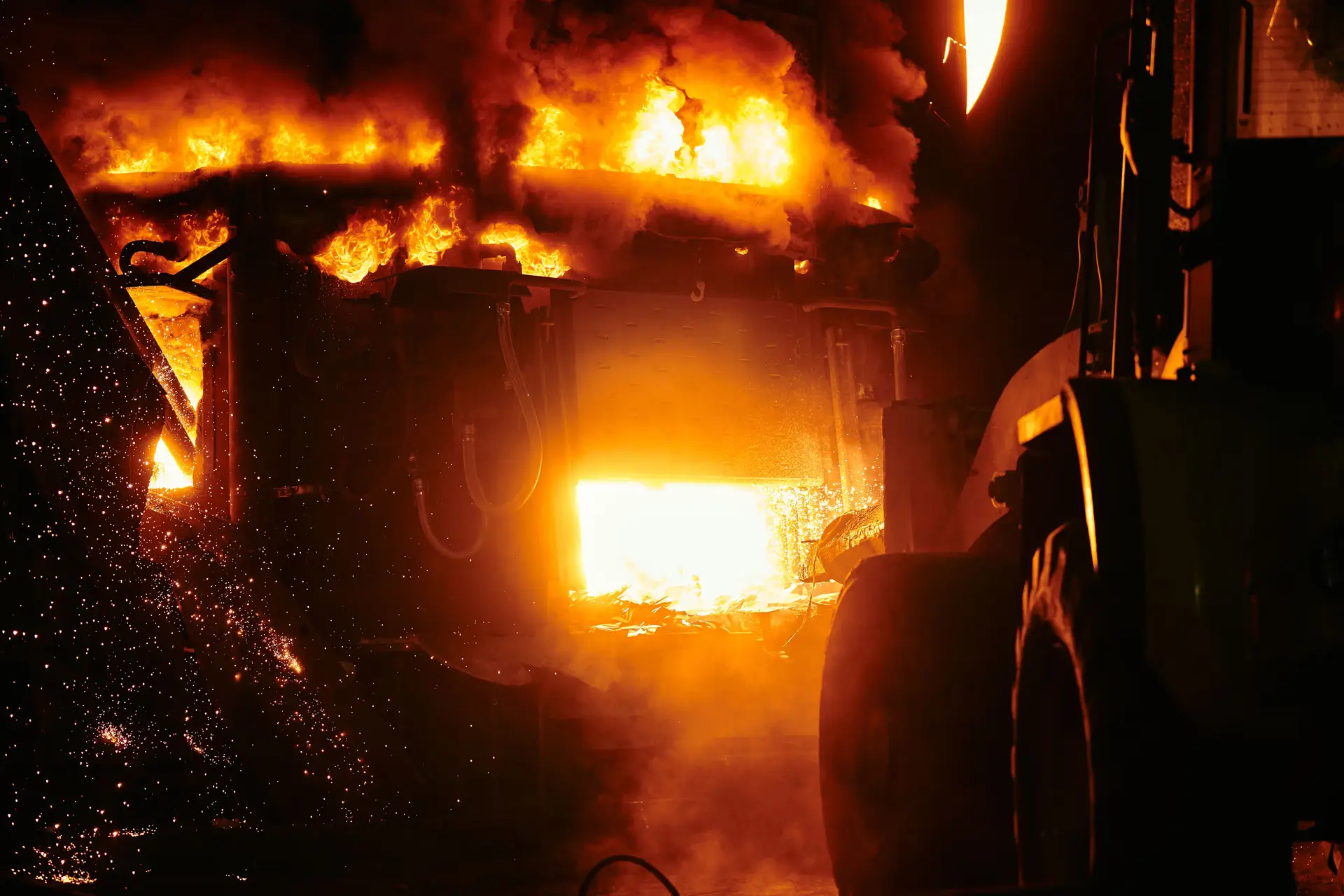
In the early hours of Friday morning, three construction vehicles at the planned Rheinmetall site near Kassel Airport went up in flames. A vigilant witness spotted the blaze around 3:15 AM, summoning firefighters to extinguish the destruction before neighboring machinery suffered further damage. The perpetrators escaped without leaving a trace, leaving state security investigators from Northern Hesse to piece together what appears to be another predictable episode of politically motivated arson.
That no claim of responsibility has yet surfaced on far-left online portals like Indymedia may simply be a matter of technical downtime rather than ideological hesitation. The location, after all, is no secret. Rheinmetall, alongside the state of Hesse, announced a major expansion here in August, committing over 260 million euros in private capital alongside 25 million euros in public funds. By late 2027, the site in Calden is scheduled to house a new logistics and training hub, as well as a specialized drone testing facility.
Yet in contemporary Germany, committing hundreds of millions of euros to crucial industrial and defense capabilities comes with an unwritten tax: the persistent threat of physical sabotage. The defense manufacturer has long found itself in the crosshairs of radical agitators. Groups like the Berlin Alliance Against Arms Production have waged aggressive campaigns against the company’s facilities, organizing blockades and street protests that escalated into direct violence against police officers in May and July.
The activists frame their hostility around Rheinmetall's supply of defense material to Israel, using geopolitical grievances to justify domestic lawlessness. What remains remarkable is not the ideological fanaticism of the fringes, but the apparent ease with which strategic industrial projects can be disrupted under the nose of local law enforcement.
When state authorities celebrate million-euro investment promises while remaining unable to protect basic construction sites from nocturnal arsonists, enterprise is forced to evaluate the real cost of doing business. Germany’s struggle to guarantee internal security and safeguard essential industry is no longer an abstract debate; it is written in the charred remains of heavy machinery on an airfield runway.
Written by Freya Stensrud freya.stensrud@alpineweekly.com