Oct 18, 10:01 AM
When Nature Falls, Who Pays? The Illusions of Forest Safety
A conviction in Fribourg forces foresters to grapple with liability around picnic spots amidst persistent drought.
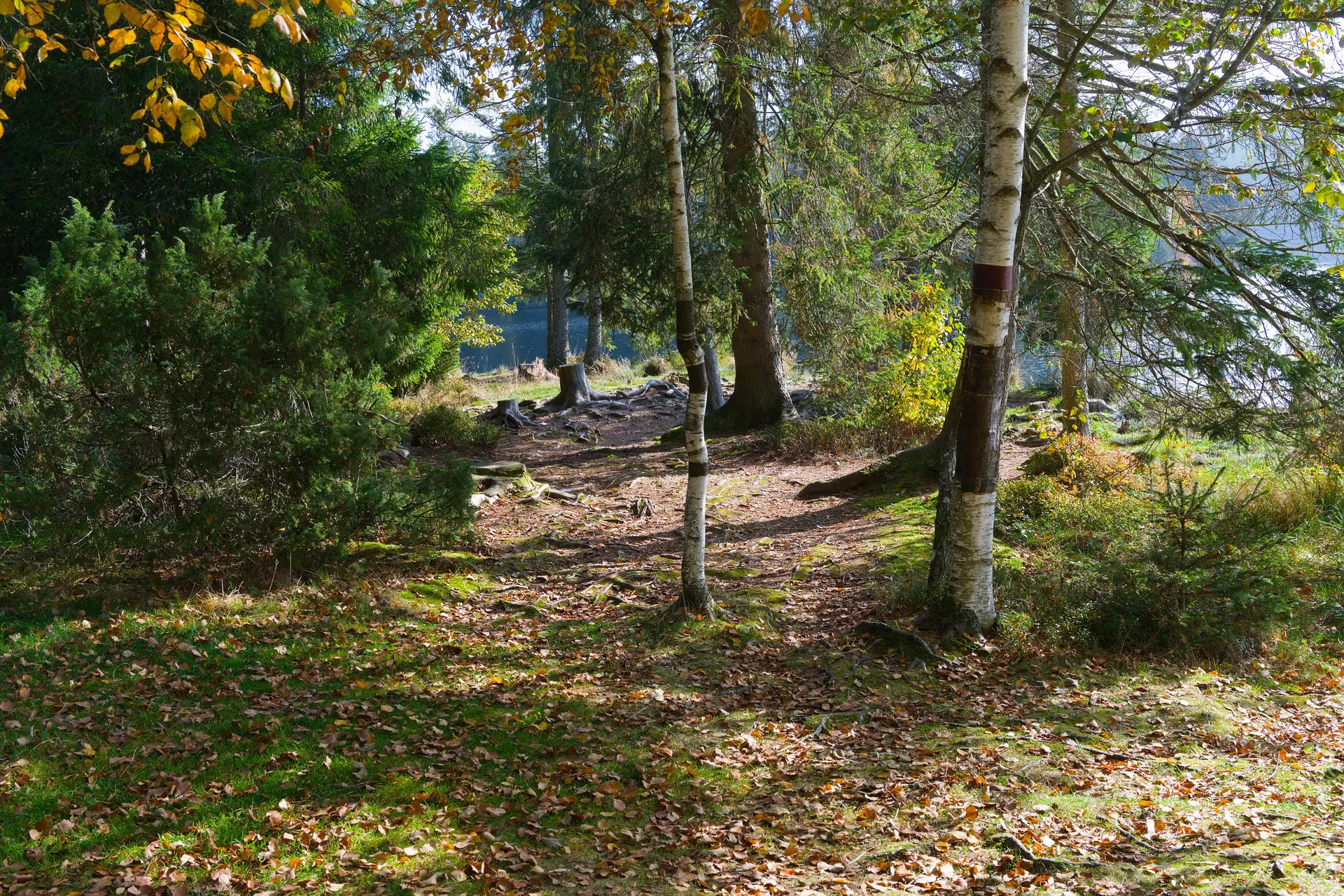
The idyllic Swiss habit of retreating into nature comes with a distinctly modern expectation: absolute safety, guaranteed by someone else. As dry weather weakens trees across the country, a legal battle in Fribourg demonstrates how quickly a walk in the woods transforms into a matter of criminal negligence.
When a falling tree paralyzed a woman six years ago near a picnic area in the Vivisbach district, the initial judicial response was restrained. The first-instance court acquitted the local forester. Yet this summer, the Fribourg Cantonal Court reversed that logic, sentencing the man to a conditional fine of 20 daily rates for negligent severe bodily injury. The case has now escalated to the Federal Supreme Court, leaving forest managers across the nation contemplating the limits of their legal exposure.
The cantonal judges based their decision on a specific contractual detail. The forester had been hired by the municipality and a local association to inspect and secure a forest educational trail and its neighboring picnic ground. In the court’s view, failing to thoroughly evaluate the surrounding tree stands constituted a punishable breach of supervisory duty.
This distinction between untamed woodland and managed amenities sits at the heart of Swiss liability law. Anyone venturing into the deep forest assumes their own risk if a dead branch drops. The moment a municipality or private owner installs a bench, a fire pit, or a seating area for a forest nursery, the legal reality shifts. A formal duty of safety applies to the infrastructure, forcing owners to either inspect the trees themselves or delegate the task to certified specialists.
Industry representatives view the conviction as a sobering signal. Fredy Keller, a district forester in the Bern-Worblental area, noted that inspecting hundreds of thousands of trees across an entire district remains impossible, though he acknowledged that the Fribourg ruling rested on a specific mandate rather than general forest oversight. Meanwhile, Anja Leser, managing director of the Bernese Forest Owners, described the verdict as a wake-up call. Property owners must now meticulously clarify who bears legal responsibility for every wooden sofa and barbecue spot, particularly as dry conditions leave timber increasingly vulnerable.
As cantons and municipalities issue endless warnings about drought-damaged woods, the desire to enjoy manicured wilderness without taking personal risk meets its practical limits. Expecting individual foresters to guarantee total security around every bench in a drying landscape may satisfy the urge to find a culprit, but it fails to bend the laws of nature.
Written by Thorben Thiede thorben.thiede@alpineweekly.com