Oct 18, 10:02 AM
The Republic on the Sidelines
Over half a million protesters and widespread looting across French cities expose a state that routinely struggles with basic authority.
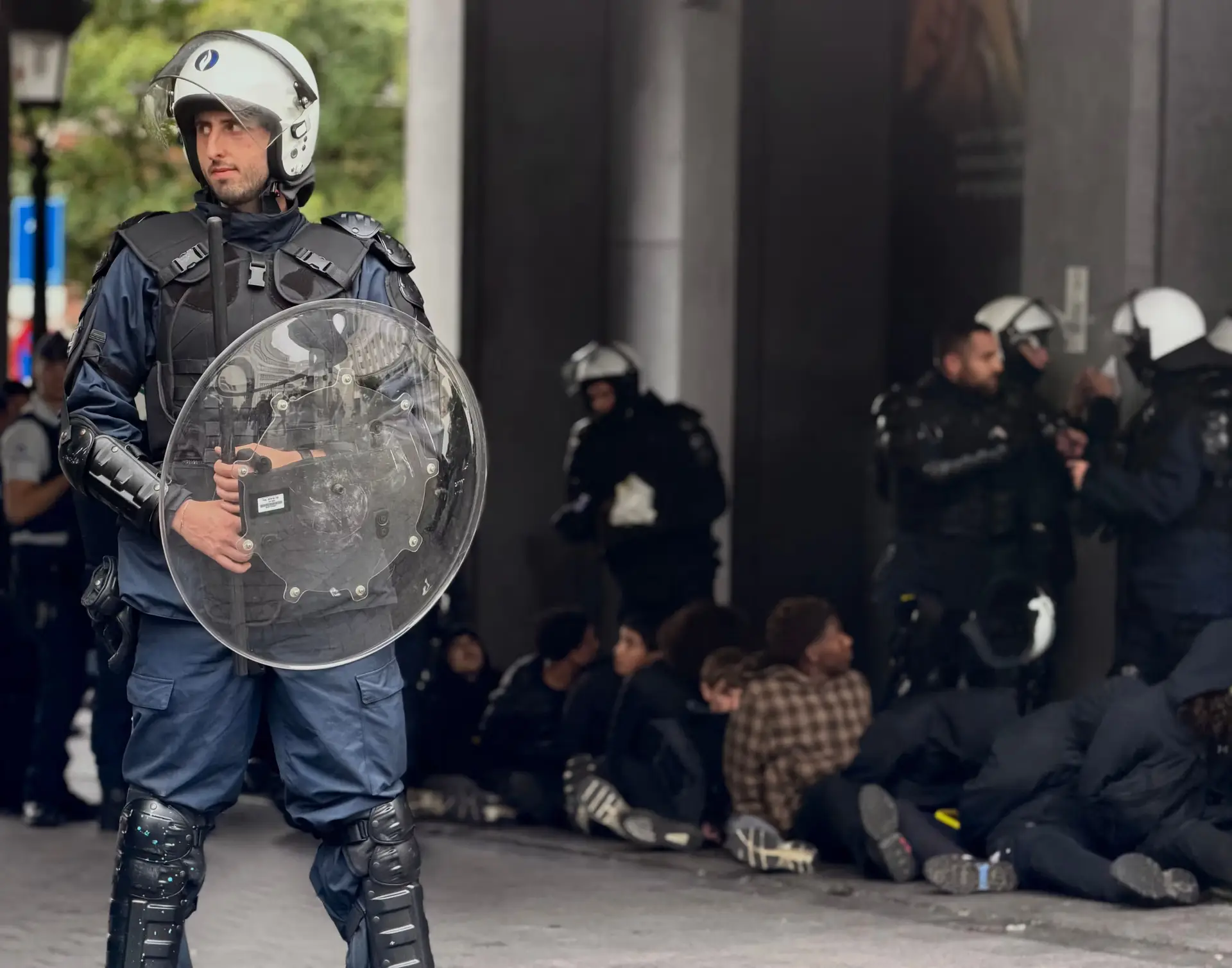
When state authorities expect 190,000 marchers on the streets and end up with more than half a million, surprise is usually followed by chaos. In France, however, the transition from mass demonstration to open insurrection has long ceased to be a surprise. The latest wave of civil disturbance across major French cities offers yet another masterclass in how quickly public order dissolves when a government routinely struggles with basic enforcement.
By Saturday evening, the official tally from the Interior Ministry painted a grim picture: 1,200 arrests nationwide and at least 150 injured police officers and gendarmes, two of whom were beaten into unconsciousness. In the greater Paris area alone, law enforcement detained 855 individuals as squads of rioters ransacked commercial districts. From Marseille and Lyon to Bordeaux, Nantes, and Nice, store owners stood by in shock as mobs systematically looted their shops. In Limoges, the violence reached a stark symbolic peak when arsonists set fire to the city’s nineteenth-century town hall, leaving the historic structure largely destroyed.
The political response followed a script that is as familiar as it is ineffective. Prime Minister Sébastien Lecornu declared that the nation had reached a critical turning point, framing the crisis as a stark choice between standing with the Republic or aligning with rioters. Justice Minister Gérald Darmanin called upon prosecutors to take uncompromising action, demanding pre-trial detention for anyone targeted in attacks against security forces, firefighters, or public and commercial property. Meanwhile, the mayors of Paris, Marseille, and Lyon promptly petitioned for an urgent meeting with the Prime Minister.
Yet these strong words from Paris do little to obscure the underlying routine of systemic collapse. What the government portrays as a sudden escalation is merely the culmination of weeks of unchecked unrest, initially disguised as student protests. While security forces scramble to review video surveillance and run post-hoc checks in transport networks, the damage to infrastructure and retail businesses is already done. When a state can only tally the destruction after the fact, the bold speeches of its ministers sound less like leadership and more like an admission of retreat.
Written by Andreas Hofer andreas.hofer@alpineweekly.com