Oct 18, 10:01 AM
Smoke, Mirrors, and Summit Agendas: ASEAN Stands By as Fires Rage
While toxic Indonesian wildfires choke Southeast Asia's economic hubs, regional diplomacy offers little more than alerts and bureaucratic chatter.
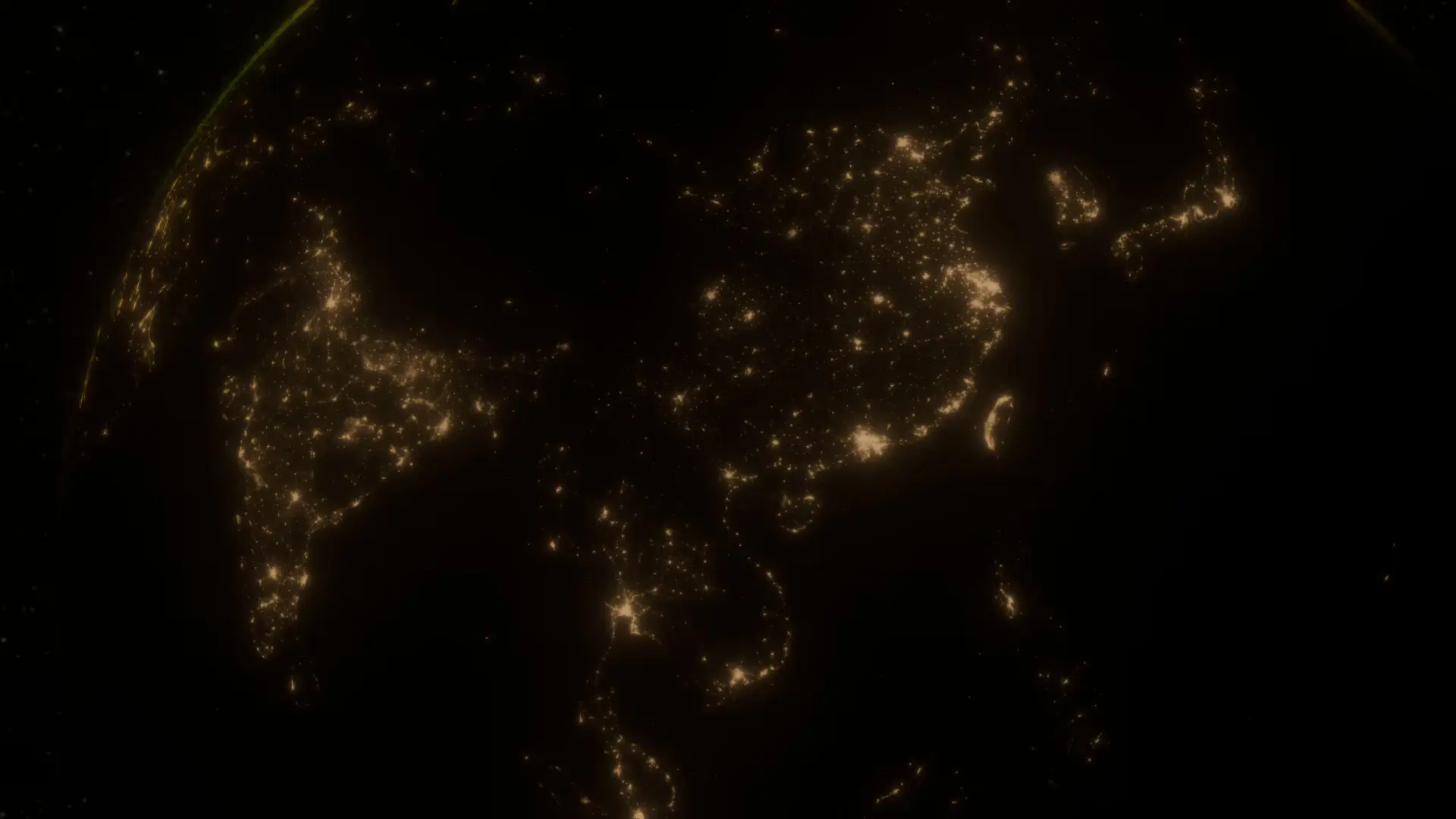
When Singapore and Kuala Lumpur contend for top positions alongside Baghdad on international air toxicity rankings, the annual ritual of Southeast Asian haze has clearly reached a grim crescendo. Dense plumes of toxic smoke originating from forest and peatland fires across Sumatra and Borneo have once again drifted across international borders, smothering daily life and commerce in Malaysia, Singapore, and East Timor.
This year's crisis, amplified by severe super-El Nino drought conditions, has already seen between 637,000 and 900,000 hectares of forest burned—an area roughly nine times the size of Singapore. Beyond the dramatic yellow and orange skies shrouding Indonesian cities like Palangkaraya, the economic and human costs are accumulating rapidly. Outdoor activities have been curtailed, schools shuttered, and local business routines disrupted as daily wage earners and enterprise owners face dwindling revenues alongside rising respiratory illnesses.
Faced with a catastrophe that recurs with predictable seasonality during the dry months, national responses border on the performative. In South Sumatra, Indonesian authorities resorted to dropping 2.4 tonnes of dry ice from aircraft near a major airport to disperse the cloud. The country's national disaster mitigation agency issued a rare direct warning, noting that the smoke not only reduces visibility and disrupts aircraft operations, but also affects residents' health. Meanwhile, Singapore announced plans to issue formal warnings to seven Indonesian companies identified as responsible for the illegal burning.
Yet the broader regional architecture appears strikingly ineffective. The Association of Southeast Asian Nations (ASEAN) relies on its Specialised Meteorological Centre to issue website notices, having recently triggered Alert Level 3—the highest tier in its monitoring system, reserved for widespread transboundary smoke. It marks the third time the centre has raised this maximum alert level this year alone.
Issuing alerts and logging satellite imagery is a poor substitute for political leverage. While citizens and business operators in neighboring countries express mounting frustration over unneighbourly conduct, ASEAN’s political apparatus remains characteristically sluggish. Official representatives indicate that the transboundary haze will merely be scheduled for discussion at preparatory meetings leading up to a November summit in Manila. For a regional body claiming to safeguard economic stability and regional integration, talking about a burning house while sitting in the smoke is an extraordinarily weak posture.
Written by Thomas Nussbaumer thomas.nussbaumer@alpineweekly.com