Nov 6, 1:00 PM
Wave of Hoax Bomb Threats Causes Widespread European Air Disruption
Multiple airlines face emergency diversions and security groundings as authorities investigate coordinated alerts across sixteen countries
A wave of false bomb alerts has disrupted commercial aviation across Europe for a second consecutive week, forcing emergency diversions, groundings, and fighter jet escorts in multiple countries. Authorities reported that aircraft operating across at least 16 nations were affected by the threats on Thursday and Friday, though subsequent security inspections yielded no explosives or dangerous materials.
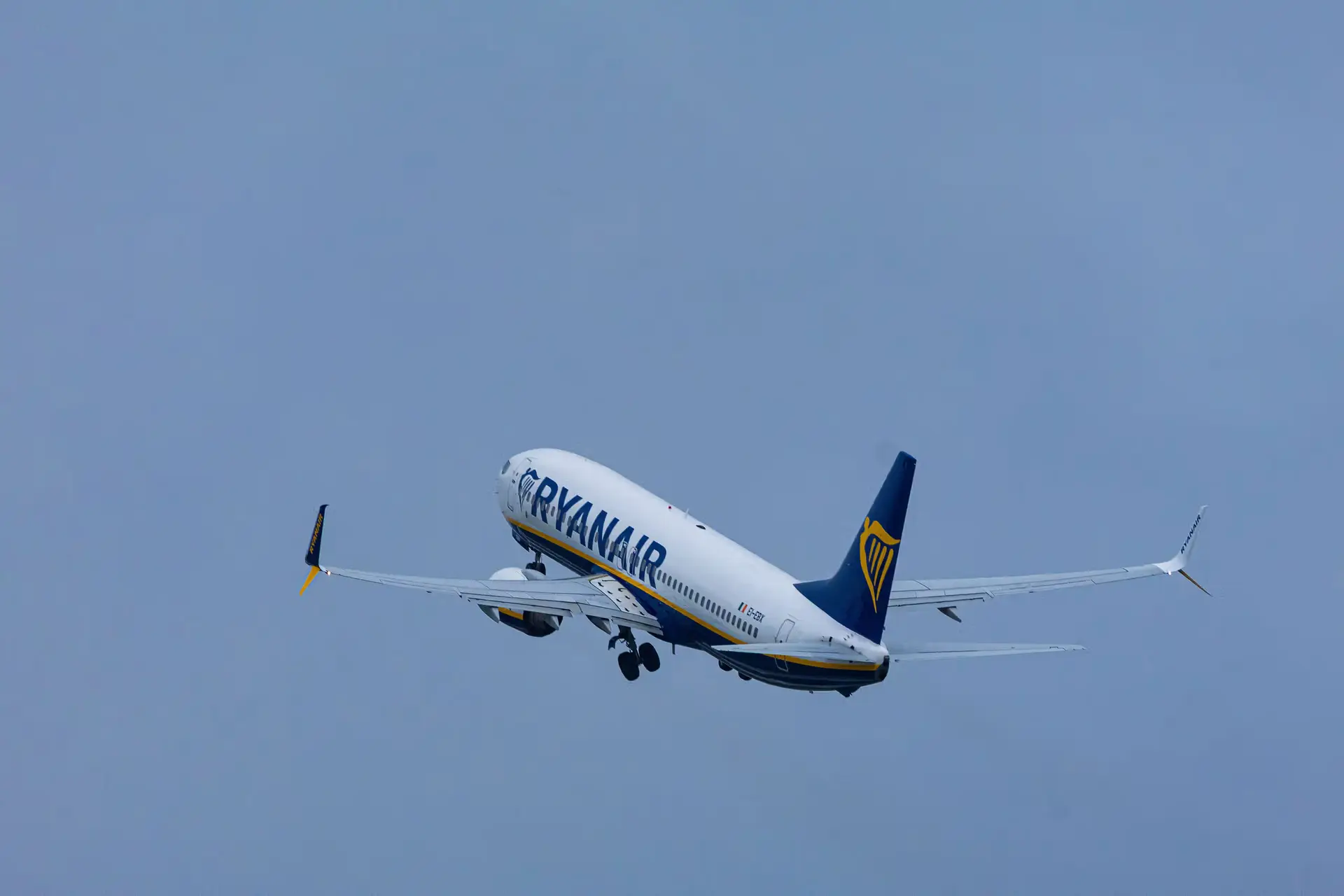
The disruptions continued into Friday morning when a Ryanair flight bound for Lisbon landed in Portugal following a telephone threat, prompting an immediate police inspection. Simultaneously, Italian air traffic controllers diverted a Wizz Air flight traveling from Paris to Rome to Venice, where law enforcement cleared the surrounding airport area. On Thursday, security operations halted several Polish Airlines flights at Warsaw Chopin Airport and diverted a London-to-Warsaw flight to Warsaw-Modlin, while fighter jets escorted a Finnair plane into Rome following an anonymous email sent to airport authorities. In Spain, border officials received three emailed threats within twenty minutes regarding departures to Paris and arrivals from Italy, while a flight from Cork in Ireland experienced a 90-minute delay due to a separate alert.
Aviation safety protocols require dedicated risk assessment teams to classify incoming threats into distinct severity tiers before deciding on mid-air diversions or ground inspections. Philip Baum, a visiting professor of aviation security at Coventry University, stated that while individual airlines occasionally receive non-specific threats, the scale and coordinated nature of the recent alerts remain unusual. He noted that mandatory groundings and security sweeps can cost airlines up to 250,000 dollars per affected flight. The British Airline Pilots' Association explained that airborne aircraft are evaluated under standardized procedures to determine whether immediate diversion is necessary.
The incidents follow several false alarms earlier in the week, alongside separate cyberattacks targeting supermarket refrigeration systems in European cities. The European Commissioner for Transport stated that it is too early to identify those responsible or confirm whether the events are linked. The United Kingdom government characterized the disruptions as malicious hoaxes targeting major transit hubs, including London Heathrow. While European security services had previously raised concerns over potential hybrid operations affecting Western infrastructure, Moscow has denied any involvement in the aviation threats, and official investigations have yielded no evidence connecting Russia, Iran, or affiliated proxy groups to the alerts.
Written by Thomas Nussbaumer thomas.nussbaumer@alpineweekly.com