Nov 2, 5:01 AM
Unearthing the Past at Seven Million Francs
St. Gallen considers digging up the subterranean Steinach stream, reversing a century of industrial urban planning.
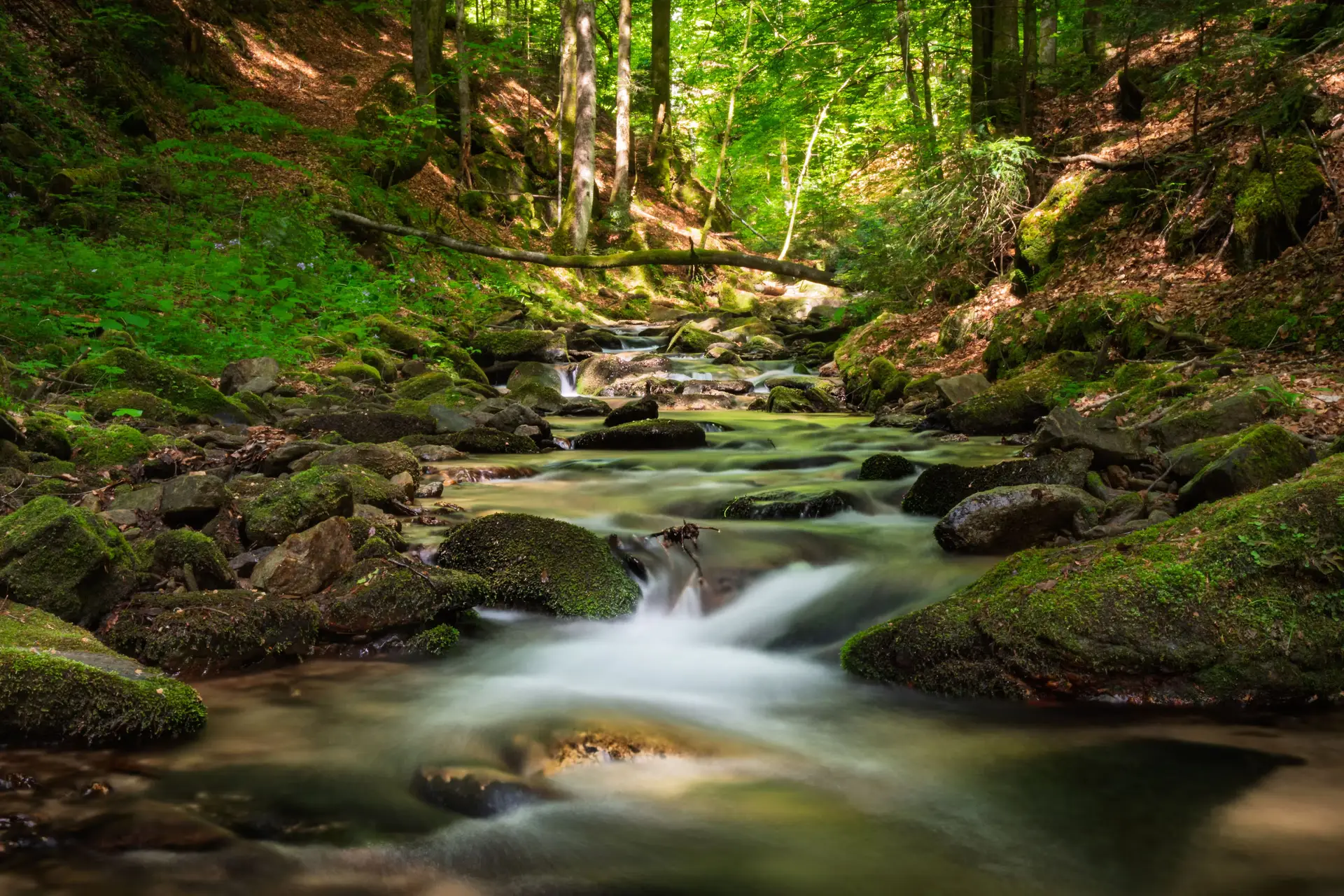
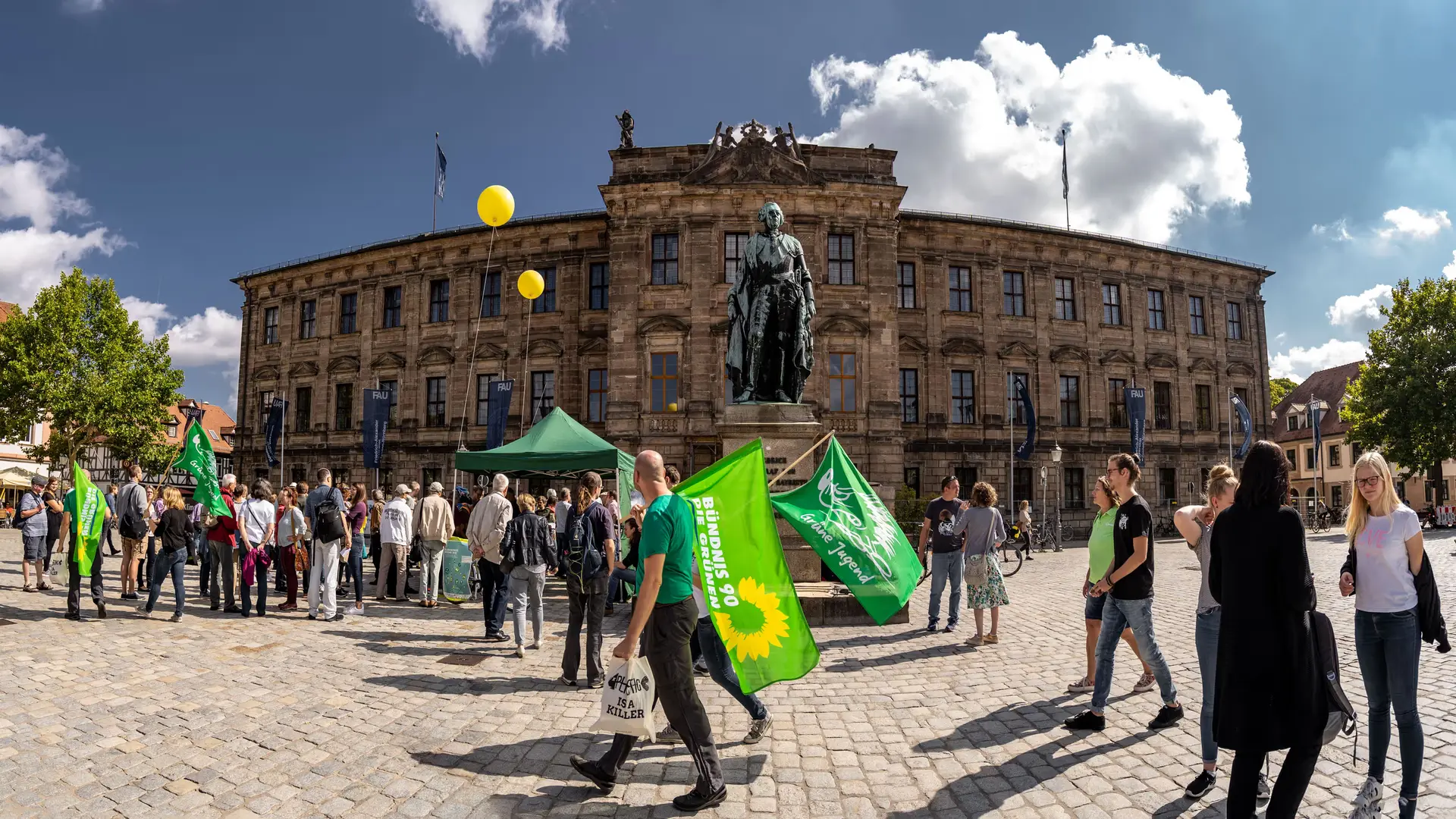
History has a fine sense of irony, particularly in urban planning. In the nineteenth century, as St. Gallen grew into an industrial town, local authorities committed to burying the Steinach stream section by section beneath stone and tarmac. By 1867, what had once been a vital water source—and the legendary site where the Irish monk Gallus encountered his famous bear in 612—had degenerated into what association member Reto von Aesch calls a stinking sewer. Subterranean enclosure was hailed as immaculate civil engineering progress.
Fast forward a century and a half, and progress has turned on its head. The local association Grünes Gallustal has delivered a feasibility study to the city government, proposing to spend over seven million Swiss francs to dig up a 600-meter stretch of the Steinach. The vision spans from the Mühlenenschlucht, past the historic abbey district, down to Lämmlisbrunnenstrasse. Where asphalt now dominates, the association promises a linear park equipped with bridges, trees, and outdoor seating. Project manager Jasmin Kaufmann envisions an attractive, cooling urban space where citizens actually want to linger.
The timing, as ever in comfortable Swiss municipal politics, is dictated by logistical convenience. St. Gallen is planning extensive underground works for its district heating network in the coming years. Since the streets must be excavated anyway, advocates argue that uncovering the stream simultaneously is a rational synergy.
The financial calculus comes wrapped in the modern vocabulary of environmental economics. Environmental engineer Georg Fässler, who assessed the hydraulic engineering aspects for the study, asserts that potential savings from averted flood damage will exceed the project's price tag, rendering the seven-million-franc intervention cost-effective. Beyond flood prevention, proponents point to urban cooling and biodiversity as returns on investment.
St. Gallen is not alone in indulging this nostalgic impulse. Under the fashionable label of daylighting, cities across the world are spending heavily to reverse the choices of their ancestors. Zurich has been unearthing its buried waterways since the 1980s, while Seoul dramatically demolished an urban highway in the early 2000s to restore the Cheonggyecheon stream.
Whether St. Gallen’s local government will endorse this expensive resurrection remains an open question. Decades of idle discussion have now yielded a concrete plan, leaving city officials to decide if buried history is worth unearthing at a price of seven million francs.
Written by Andreas Hofer andreas.hofer@alpineweekly.com