Nov 2, 5:01 AM
The High Price of Digital Efficiency
Western Australia’s facial recognition trial caught suspects, but it also put 1.3 million innocent citizens through an algorithmic filter.
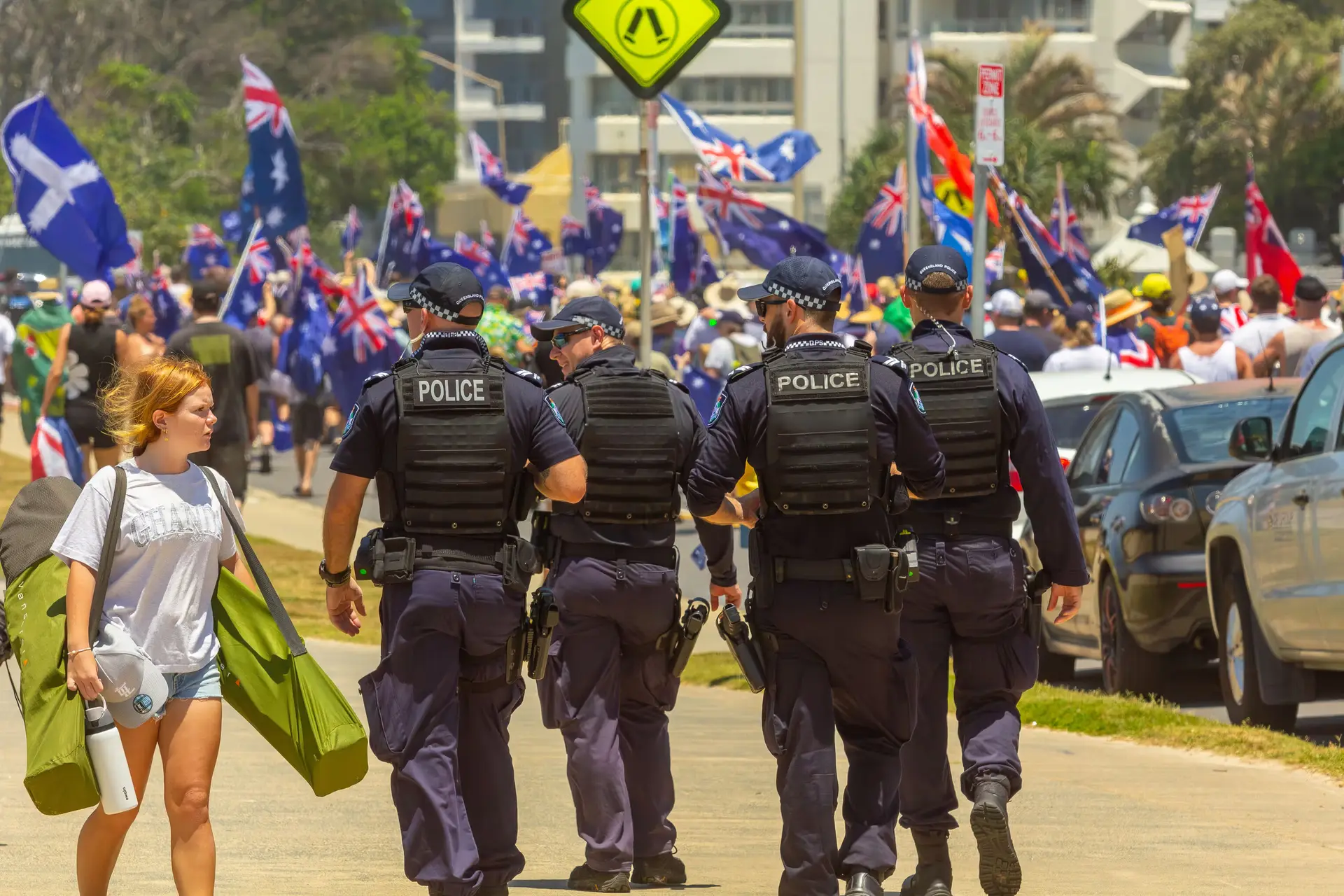
How much privacy is a citizen willing to trade for an extra layer of municipal security? In Western Australia, the police force recently offered a concrete answer: roughly 1.38 million faces scanned in exchange for 122 arrests.
For five months, mobile surveillance units quietly combed through forty-three locations across regional and metropolitan districts. From bustling town centres to the Perth Royal Show, where over 220,000 festivalgoers were processed in real time, cameras mounted on police vehicles cross-referenced crowds against state databases. The technological net yielded not only the 122 arrests but also prompted officers to approach 146 registered sex offenders and conduct ten welfare checks.
As the surveillance vans return to their depots for an internal evaluation, the debate over their deployment has quickly degenerated into a battle of selective statistics. Police authorities were swift to herald the trial as an operational triumph, boasting of a microscopic error rate of 0.00065 percent. That figure, derived from just nine incorrect alerts out of nearly 1.4 million scans, serves as an impressive headline for public relations. Police Commissioner Col Blanch acknowledged that the technology was far from flawless, though he maintained that officers followed up on false matches with routine questions, just as they would if a vigilant bystander had raised suspicions.
Critiques from civil libertarians were equally prompt. Bill Rowlings of Civil Liberties Australia accused law enforcement of clever accounting, arguing that dividing nine errors by the entire population scanned obscures the real metric. In his view, the true measure of accuracy lies in whether those 122 arrests ultimately hold up in court. If half are dismissed, he noted, the operational failure rate looks drastically different.
This statistical tug-of-war highlights a deeper structural question about modern policing. The state’s independent privacy watchdog, the Office of the Information Commissioner WA, revealed it had no hand in designing the trial, warning instead of the subtle harms to collective privacy when mass monitoring becomes routine. While police insist that unmatched faces were pixelated instantly and discarded, the automatic screening of millions without prior suspicion testing represents a subtle shift in the social contract.
When security agencies deploy algorithms that carry inherent biases against marginalized groups, efficiency must be weighed against institutional trust. Western Australia’s police are now reviewing safeguards before deciding whether to make these digital checkpoints permanent. The question remains whether taxpayers should embrace an invisible net that continuously clears their innocence, or insist that law enforcement stick to traditional grounds for suspicion.
Written by Christiane Hofreiter christiane.hofreiter@alpineweekly.com