Nov 2, 5:01 AM
The Master of Escape Comes Home to Buda
Centenary celebrations in Budapest honour Harry Houdini, a native son who traded cheap tricks for iron discipline.
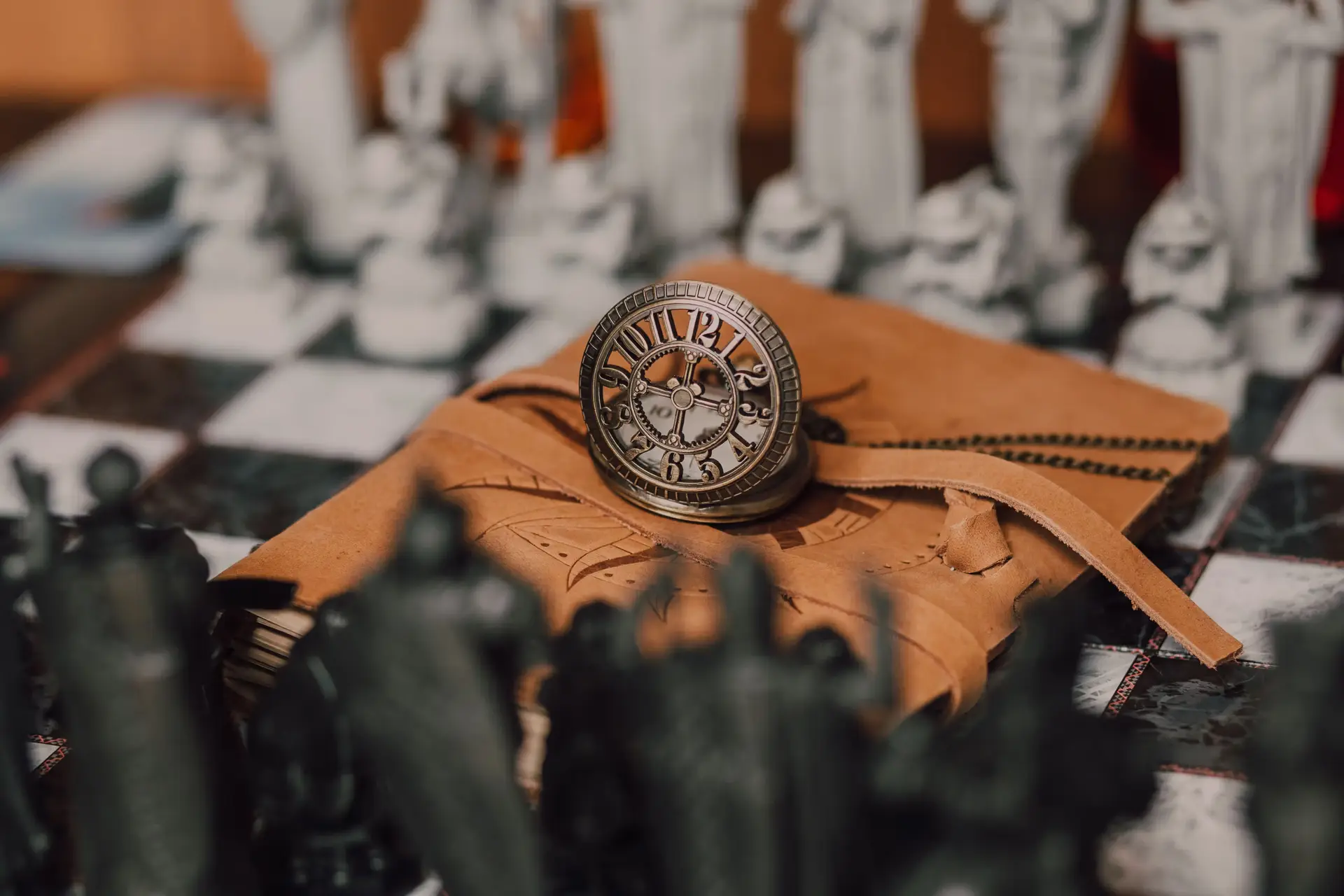
Budapest has rarely needed theatrical effects to command attention, but this week the Hungarian capital is purposefully turning its spotlight toward the master of illusion. Marking a century since the death of Harry Houdini, the city has launched a four-day tribute to the world’s most celebrated escape artist. Behind the spectacle lies a quiet reminder that before he conquered American show business, the legendary performer was simply Erik Weisz, born on Csengery Street to a Budapest rabbi in 1874.
The commemoration, anchored by the Houdini House in Buda Castle, brings together international figures who understand that Houdini’s legacy was built on rigorous self-discipline rather than mere trickery. David Merlini, the magician who founded the museum, gathered a distinguished crowd for the occasion. Among those attending are George Hardeen, Houdini’s only living descendant, former Academy of Magical Arts president Gay Blackstone, and Péter Gloviczki, a world champion magician who also serves as a vascular surgeon. At the opening of the event series, District I deputy mayor Csilla Fazekas highlighted the local pride in housing a unique European institution dedicated to preserving the legacy of a world-famous Hungarian.
Houdini’s life was a masterclass in self-invention. After emigrating to the United States in 1878, he worked as a newsboy and shoe-shiner before taking to the stage as a trapeze performer at age nine. Long before impresario Martin Beck advised him in 1899 to abandon standard card tricks for escape acts, the young artist had spent years conditioning his body through boxing, running, and swimming. That physical preparation enabled him to hold his breath for four minutes and break free from sealed water churns, iron tanks, and police handcuffs across Europe and North America. His rise from an impoverished immigrant to the highest-paid entertainer of his era reflected a formidable work ethic and exceptional technical skill in picking locks and knots.
Unlike many public figures who trade in deception, Houdini harboured a deep disdain for fake mysticism. He spent much of his later career exposing fraud spiritualists who preyed on public credulity, documenting their deceits in works such as Miracle Mongers and Their Methods. He understood the boundary between honest entertainment built on skill and dishonest manipulation built on fraud.
When Houdini died on Halloween in 1926 following a ruptured appendix in Detroit—spurred by a sudden punch to his abdomen days earlier in Montreal—he left behind mysteries that no imitator has managed to solve. The four-day program in Budapest, featuring circus acts, a magic auction, a film festival, and a new memorial relief at his birthplace, honours a man whose true talent was his refusal to be restrained.
Written by Thomas Nussbaumer thomas.nussbaumer@alpineweekly.com