Oct 18, 6:01 PM
The Vanishing Underworld of Lake Sempach
Lucerne launches a two-year underwater survey as changing climate and reckless bathers threaten six-thousand-year-old stilt houses.
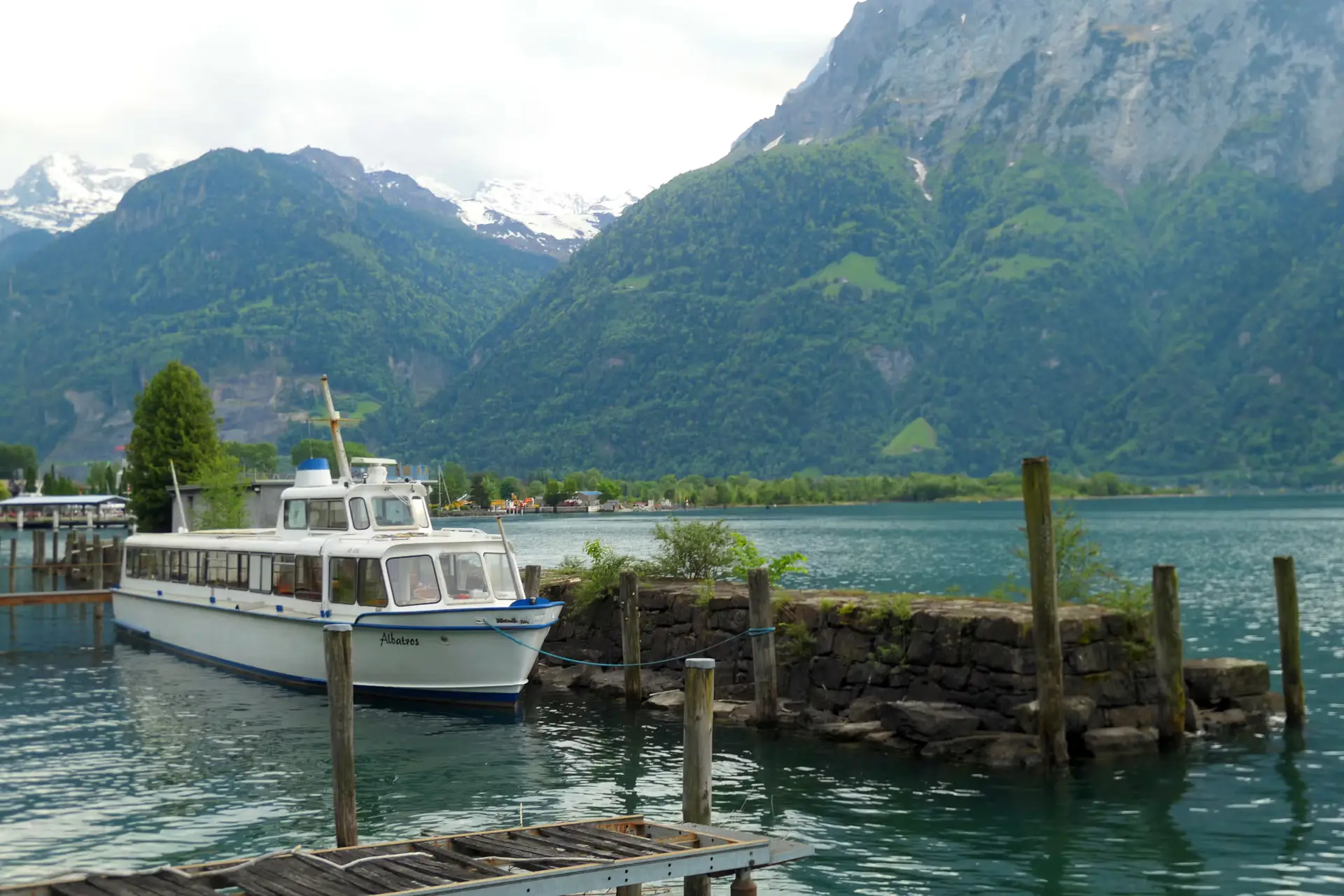
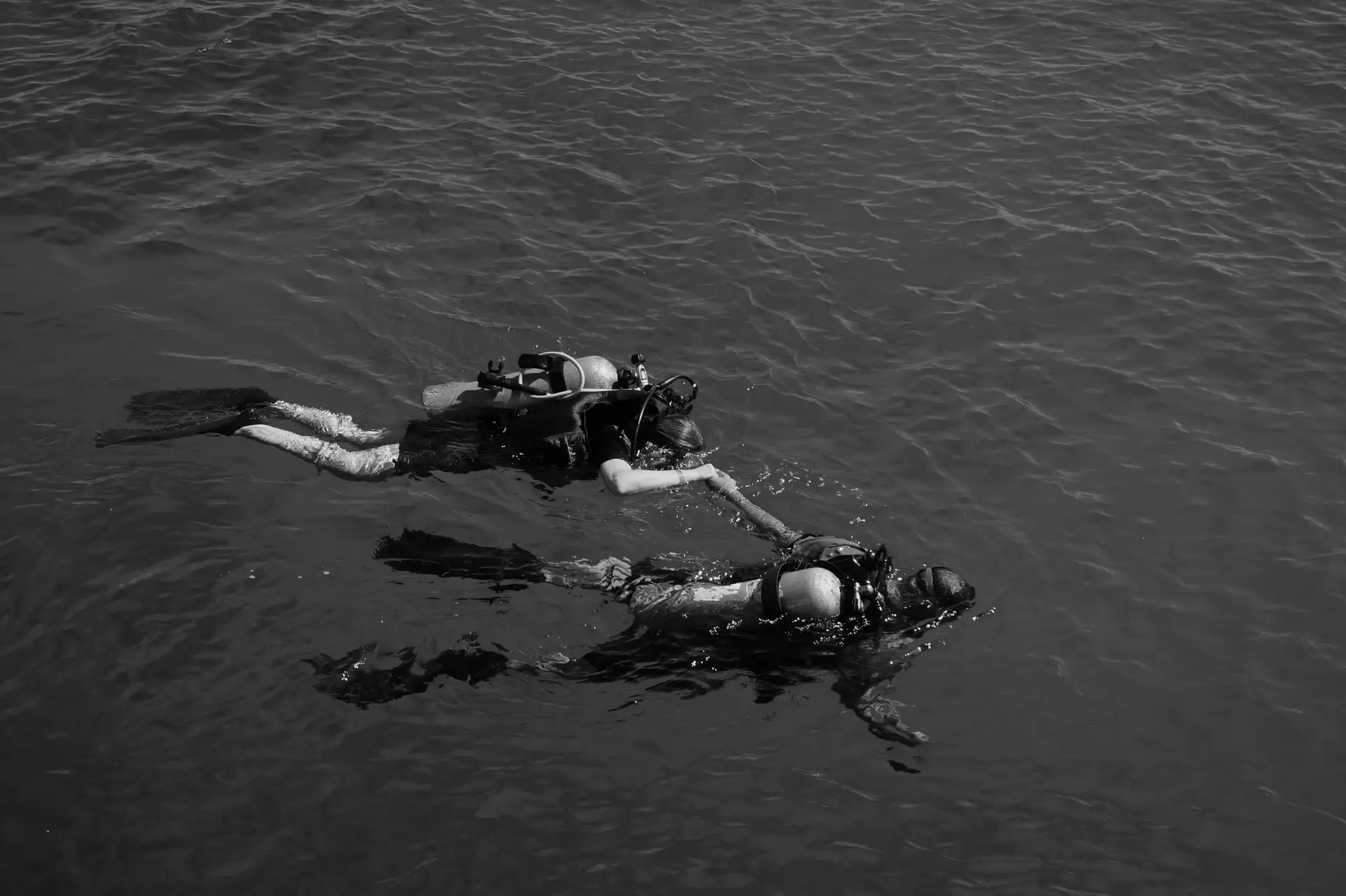
Beneath the placid surface of Lucerne’s waters lies a fragile Neolithic legacy, currently being trampled by careless summer bathers and exposed by unpredictable weather patterns. Off the shores of Sursee in Lake Sempach, archaeologists from the Canton of Lucerne are regularly descending into shallow waters to survey prehistoric stilt house settlements before time and human indifference erase them entirely.
The work is unglamorous and precise. Underwater archaeologists like Corinne Stäheli must manually brush aside heavy lake silt and weed cover to inspect timber posts that have survived for nearly six thousand years. Chance discoveries occasionally reward the effort, such as a ten-centimeter decorated bronze needle from the Stone Age, likely used to fasten clothing, alongside old ceramic shards. Yet cantonal archaeologist Christian Auf der Maur emphasizes that collecting data, rather than gathering artifacts, remains the core priority. Divers use GPS buoys, photography, and exact measurements to reconstruct ancient building footprints and identify distinct construction phases.
The urgency stems from a dual threat in the shallow shorelines of the Mittelland lakes. Low water levels during hot summers expose the lakebed to wave action, allowing air to penetrate the timber and cause rapid decay. Simultaneously, casual recreation exacts a heavy toll. In shallow areas where swimmers can stand, ancient wooden posts are routinely trampled or pulled directly out of the mud.
With thirty-three known stilt house sites across Lake Sempach, Lake Baldegg, and Lake Hallwil, the cantonal team has set a tight two-year deadline for its documentation project. While deeper sites in Lake Lucerne remain protected under thick sediment layers, the shallow Mittelland locations require immediate evaluation and potential protection through physical barriers or lakebed covers. It is a race against both nature and human carelessness.
Written by Thomas Nussbaumer thomas.nussbaumer@alpineweekly.com