Oct 18, 4:01 PM
Germany's Kitsch Politics: How Debt and Pacifism Mask Economic Decline
Friedrich Merz's debt deals and the AfD's superficial peace motions expose a political class unwilling to confront hard fiscal realities.
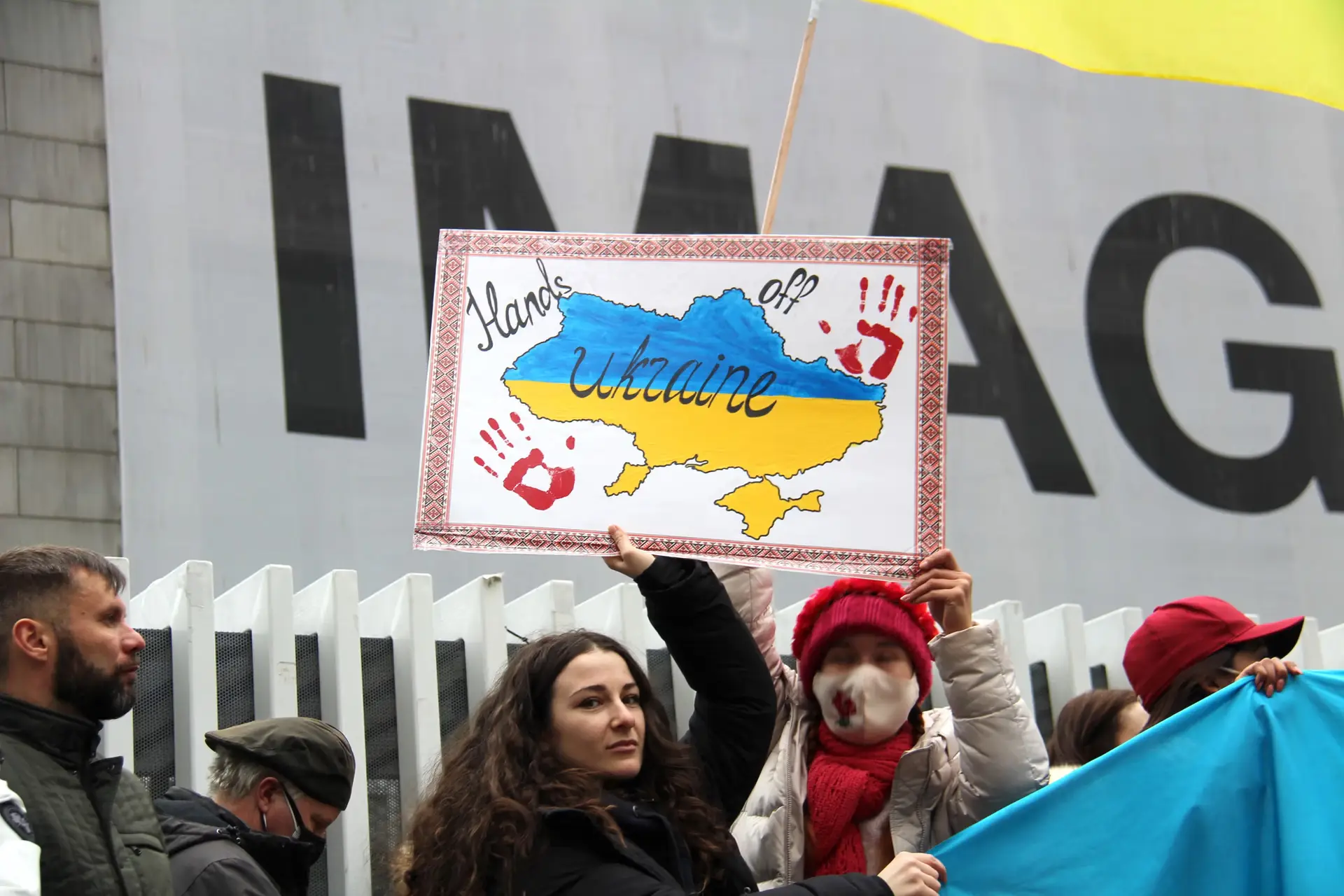
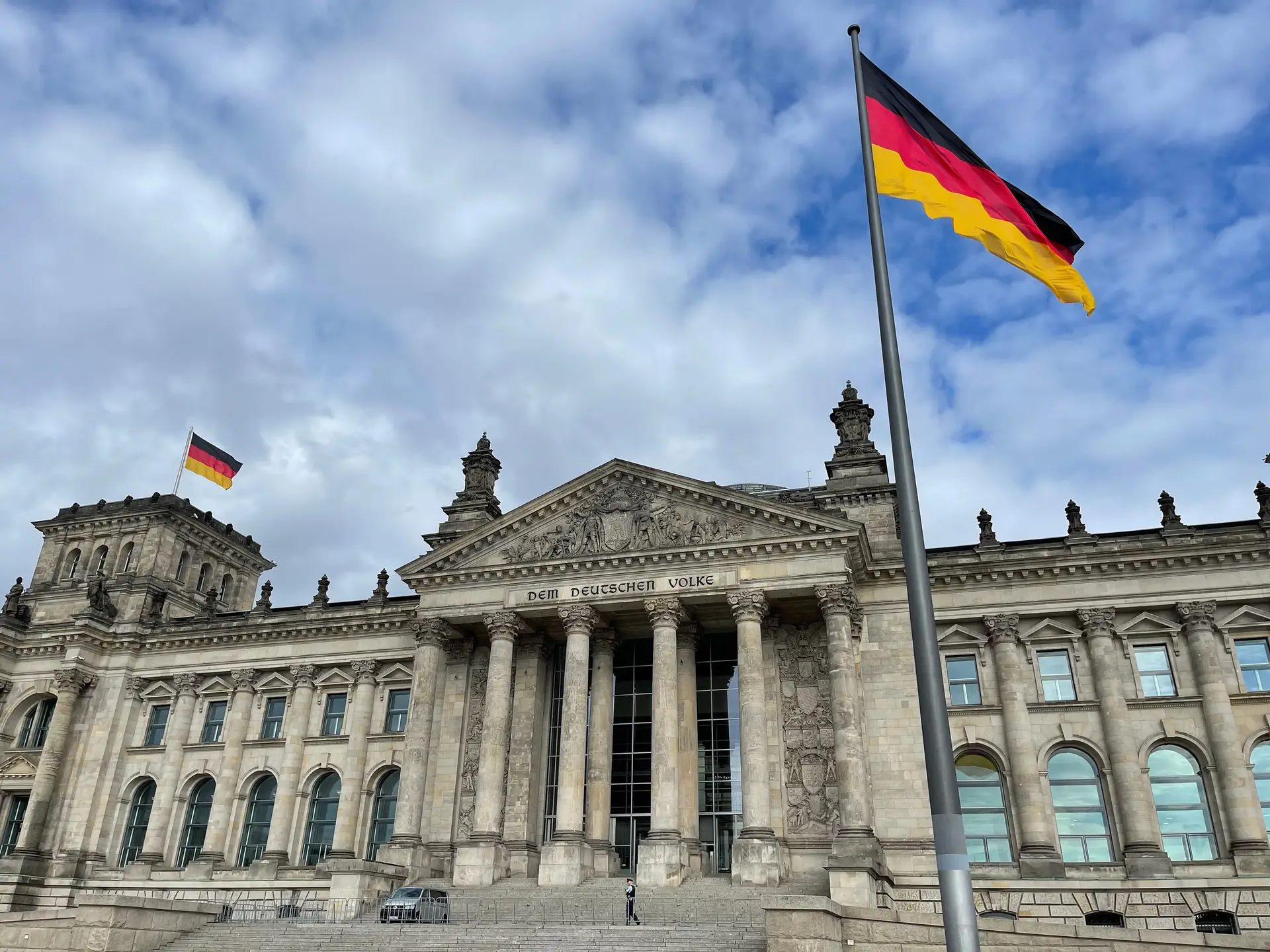
When German politicians run out of economic answers, they inevitably reach for moral high ground abroad. Chancellor Friedrich Merz entered office promising voters a rigorous return to fiscal discipline and structural economic reform. Instead, he orchestrated parliamentary majorities in a outgoing parliament to bypass the constitutional debt brake, authorizing billions in new government spending under the banner of military readiness and support for Ukraine.
This financial maneuver served a pragmatic political purpose. By loosening debt constraints in a backroom deal negotiated with Lars Klingbeil of the Social Democrats and the Greens, Merz avoided difficult spending cuts in the core budget. The coalition partners secured hundreds of billions for social spending and green subsidies, preserving legacy expenditures while side-stepping the painful consolidations required to revitalize Germany’s faltering economy. International aid effectively provided the moral umbrella for domestic fiscal evasion.
On the other political flank, the opposition offers an equally surreal alternative. In the state parliament of Saxony-Anhalt, the Alternative for Germany (AfD), alongside the Bündnis Sahra Wagenknecht (BSW), pushed through a resolution demanding immediate peace negotiations rather than war expansion. Spearheaded locally by figures like Ulrich Siegmund, the AfD promotes a brand of effortless pacifism that treats complex security crises as mere diplomatic misunderstandings. Their declarations demand an immediate halt to fighting while ignoring geopolitical realities and previous broken agreements.
Both political camps rely on theatricality to hide their strategic helplessness. Merz has transformed foreign commitments into the defining rationale of his chancellor’s office, using elevated rhetoric to lecture voters about hard work while shielding his government from tough trade-offs between welfare programs and defense investments. Meanwhile, the AfD plays to a disillusioned electorate with superficial slogans, pretending that national security requires no financial sacrifice and that strategic threats vanish if one simply submits.
This reliance on political sentimentality leaves Germany’s fundamental dilemmas untouched. The country faces declining industrial competitiveness, burdensome energy costs, and an army that remains under-equipped for genuine national defense. Neither infinite debt accumulation nor naive peace motions will restore national strength. As long as Berlin's leadership prefers high-minded posturing over fiscal discipline, Germany will remain trapped in a cycle of performative moralizing and economic decline.
Written by Andreas Hofer andreas.hofer@alpineweekly.com