Nov 2, 5:01 PM
The Ultimate Recycled Asset: Science Tests Human Composting
Researchers begin formal trials on natural organic reduction as an efficient alternative to traditional burial and cremation.
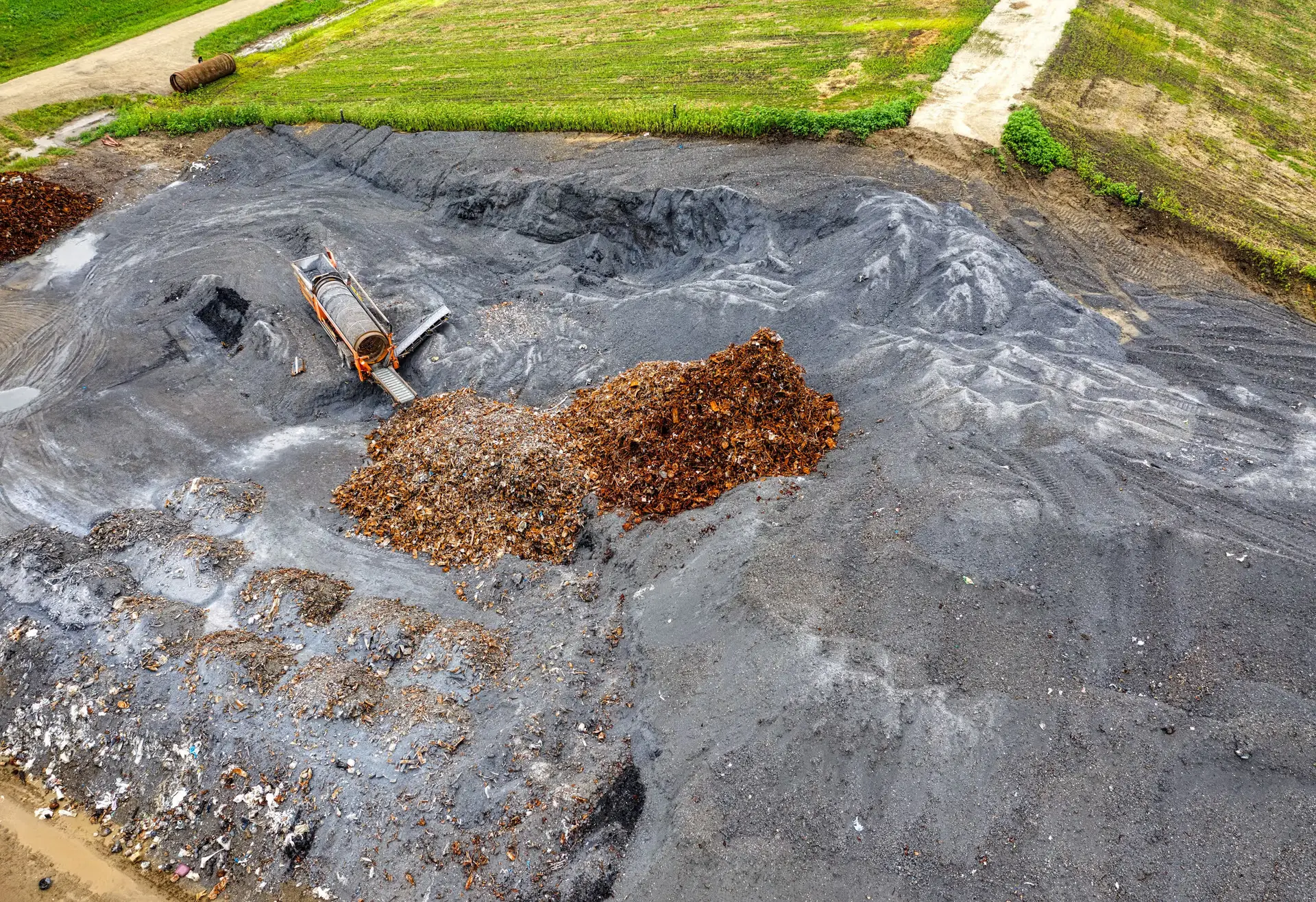
Humanity has spent millennia constructing elaborate monuments, vaults, and marble slabs to anchor its departure from this world in permanence. Now, scientific researchers have turned their attention to a rather different proposition: turning human remains into garden soil. As reported by French broadcaster France 24 on November 2, 2026, scientists have formally initiated tests on human composting, pitching the practice as a sustainable alternative to traditional burials and resource-intensive cremations.
The mechanics of traditional death care present a quiet accounting problem. Standard interments require significant land allocation, wooden caskets, and concrete vaults, locking away real estate and raw materials indefinitely. Cremation, long favored as the modern, space-saving substitute, demands heavy energy consumption and generates substantial carbon emissions per body burned. The scientific testing now underway examines natural organic reduction—a process that accelerates biological decomposition to transform human remains into nutrient-rich soil over a period of weeks.
From an economic perspective, this scientific endeavor represents an attempt to solve an inefficiency that the death care sector has ignored for decades. Traditional practices combine high capital expenditure with continuous municipal land use costs. By contrast, controlled biological composting seeks to streamline the end-of-life process into a closed-loop system, transforming a final personal footprint into usable organic material.
The reporting by France 24 under its environmental coverage highlights how scientific innovation is attempting to reframe even the most fundamental human customs through the lens of ecological impact. While industrial adoption will inevitably face regulatory barriers, cultural skepticism, and municipal hurdles, the underlying scientific push reflects a relentless desire to optimize resource allocation across every phase of human existence.
Whether market demand will shift away from established memorial traditions toward high-tech organic reduction depends on consumer preference and cultural acceptance. Yet, as researchers push forward with formal testing, the business of final disposition faces a rare moment of genuine technical experimentation. If the trials prove successful, the ultimate consumer choice may soon be measured not in mahogany or polished granite, but in biological yield.
Written by Christiane Hofreiter christiane.hofreiter@alpineweekly.com